
Last updated November 25, 2026
 Sweep & inspection
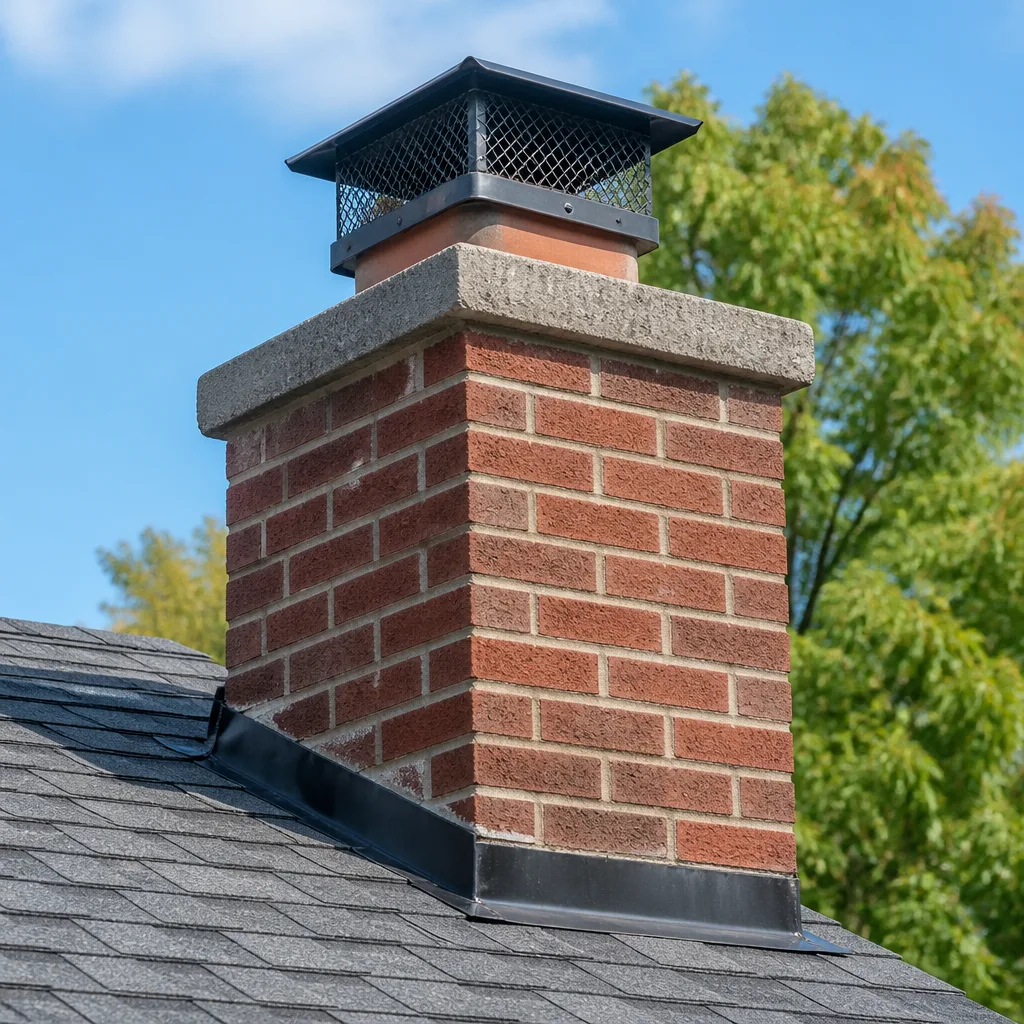
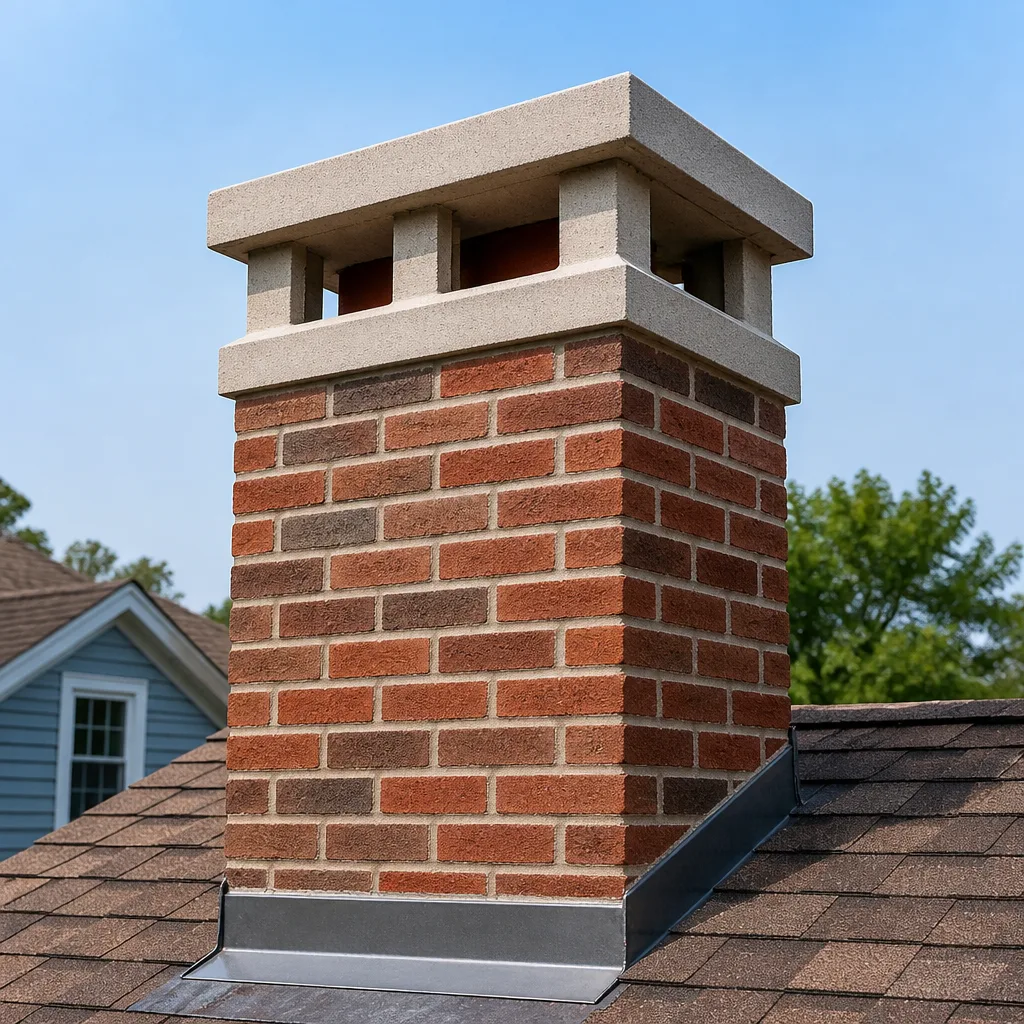 Caps & crowns
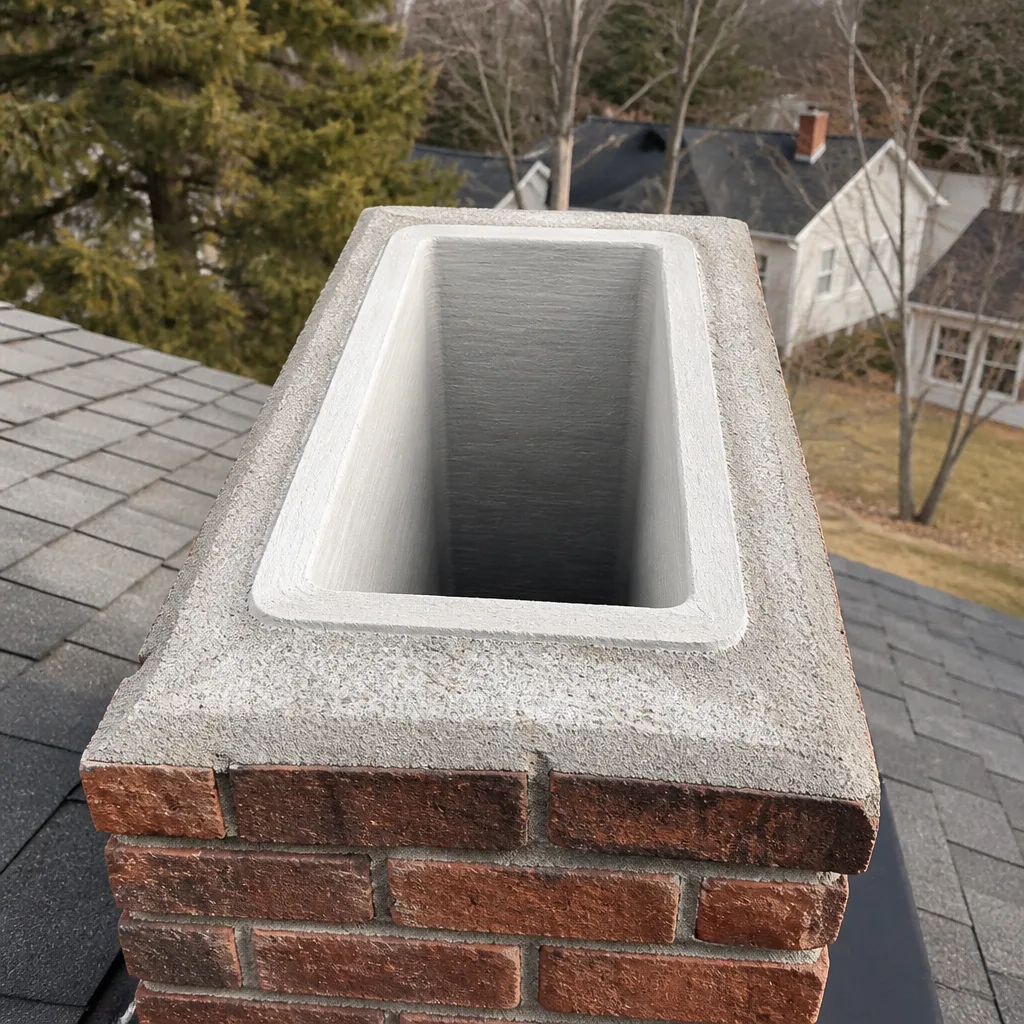 Flue relining
 Masonry repair
 Gas fireplace service
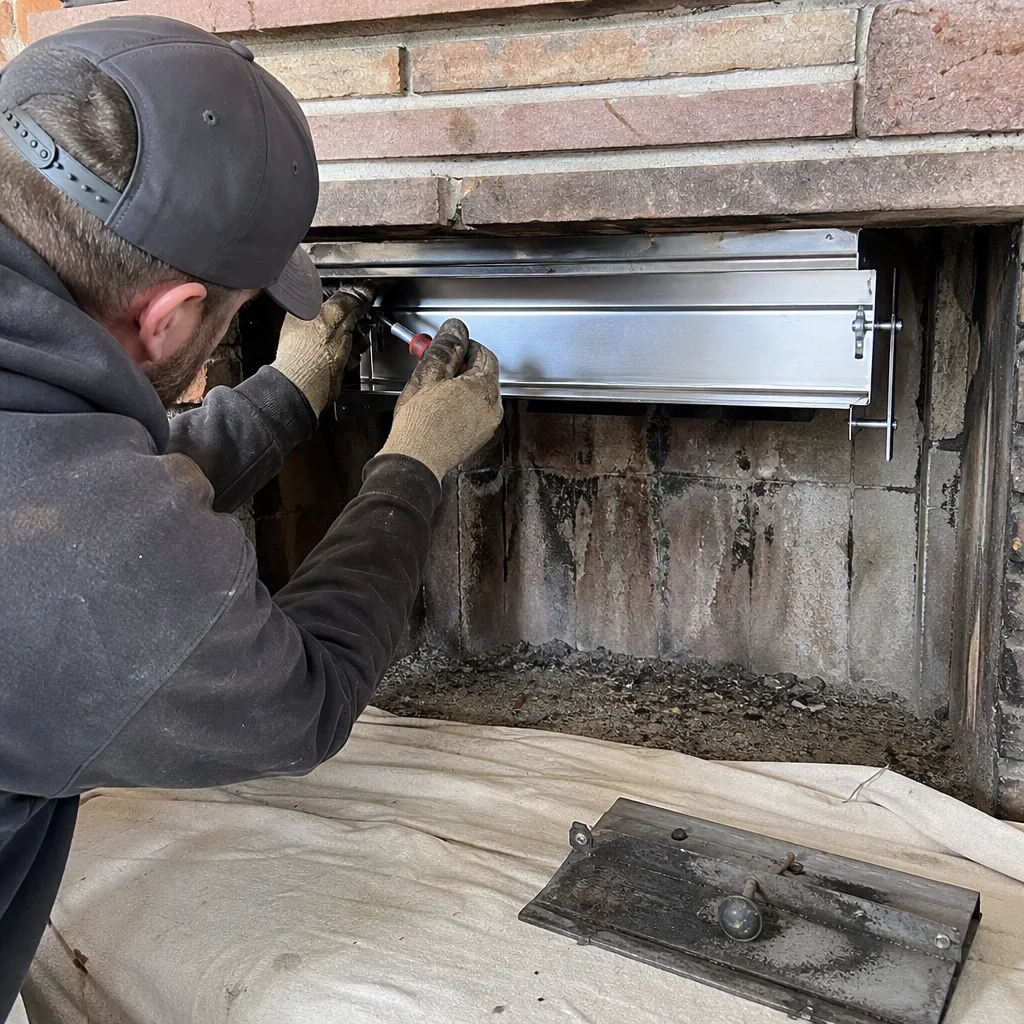
Level 1 sweep and inspection to the NFPA 211 annual standard - flue, crown, cap, and flashing checked and photographed
Chimney sweep logs do not sweep chimneys. They loosen some creosote - which then falls where a brush and vacuum still have to collect it.
The Complete Guide to Chimney Cleaning in Marysville
Most chimney fires in the Pacific Northwest don’t start where people think. Homeowners picture flames roaring up the flue, but the flashpoint is often the smoke chamber, the sloped transition between firebox and flue that most budget sweep services never brush. That section collects glazed creosote in a place a chimney brush can’t reach, and it sits directly above the fire. In this guide, we’ll map every zone of a Marysville chimney system, explain what a complete cleaning actually touches, and show you how to verify the job was done right, not just fast.
Quick Answer
Chimney cleaning in Marysville is a multi-zone job, not a single brush pass. A complete cleaning covers the firebox, smoke chamber, damper, flue, and cap, and a proper sweep ends with a written report or photo evidence of what was cleaned and what was deferred. If a sweep service only brushes the flue and skips the smoke chamber, the fire hazard remains.
Styles & brands we work with
- Sweep & inspection
- Caps & crowns
- Flue relining
- Masonry repair
- Gas fireplace service
Table of Contents
- Anatomy of a Marysville Chimney System
- Why Western Washington’s Wet Climate Changes Chimney Cleaning
- Level 1 Inspection: What a Routine Sweep Should Cover
- When a Level 2 Camera Inspection Becomes Necessary
- Swept vs. Cleaned: Why Debris Removal Matters as Much as Brushing
- How to Verify the Job Was Completed
- Cap, Crown, and the Structural Defense of Your Chimney
- How Often Should a Marysville Chimney Be Cleaned?
Anatomy of a Marysville Chimney System
Before we talk about cleaning, it helps to know what’s being cleaned. A chimney is not a single tube. It’s a stack of components, and each one collects a different material. When you hire a sweep, you’re paying for maintenance across all of those zones, not just the flue.
The firebox is where the fire burns. It collects ash, soot, and creosote at the mortar joints, especially along the back wall and the throat. The damper and smoke shelf sit just above the firebox. Soot accumulates there and creosote glazes onto the shelf lip, which is one reason a fire can draft poorly even after a “cleaning.”
The smoke chamber is the sloped funnel between the damper and the first flue tile. It’s intentionally shaped to compress smoke, and that shape collects the densest creosote in the system. Because it’s sloped and inaccessible to a straight flue brush, a cleaning that stops at the smoke shelf leaves behind the most dangerous deposit in the chimney.
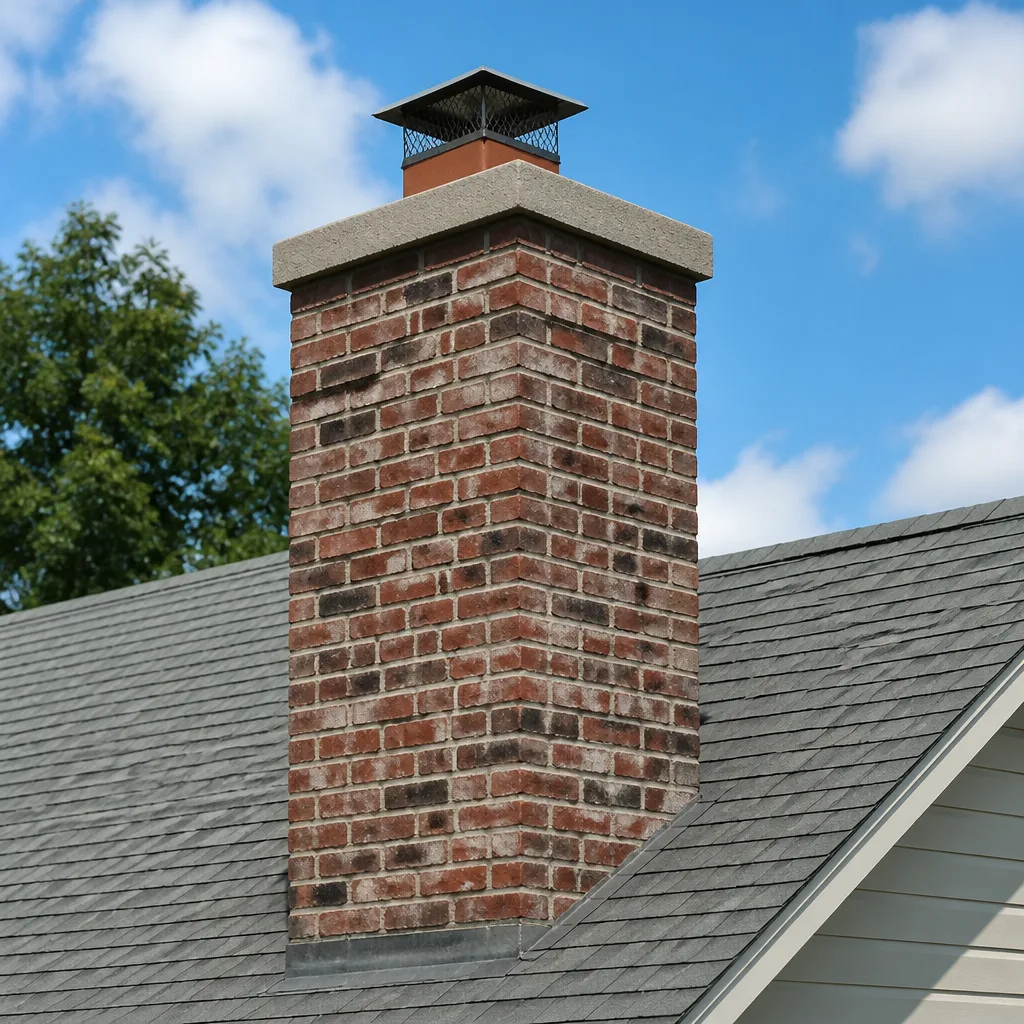
The flue is the vertical channel above the smoke chamber. Its job is to carry exhaust out, and its tiles collect a thin, even coat of creosote that should be brushed back to bare tile. The crown is the concrete cap on top of the chimney that sheds water away from the masonry. And the chimney cap is the metal or mesh hood attached over the flue opening that keeps rain, animals, and debris out.
A complete cleaning touches every zone. That’s why we break the job into sections and document each one. If you’ve ever wondered why Marysville Chimney Sweep inspects the smoke chamber instead of just running a brush up the flue, that’s why: the fire doesn’t care whether the flue is spotless if the chamber above the damper is caked.
Why Western Washington’s Wet Climate Changes Chimney Cleaning
Chimney cleaning in Marysville is not the same as chimney cleaning in Arizona. Western Washington’s wet, mild winters create a very specific pattern of creosote buildup, and the difference is not subtle.
In dry climates, creosote tends to dry out quickly after each fire. It flakes and brushes off. In Western Washington, humidity is high through most of the year, and the chimney draws cool air from outside during the off months. When wood smoke hits a cool flue, it condenses faster. That condensed smoke forms a gummy, sticky creosote, and when it’s heated again on the next fire, it bakes onto the tile as glazed creosote. Glazed creosote is the hardest kind to remove, and it burns hotter than loose soot or ash.
The wet climate also means the chimney spends more of the year absorbing moisture through its top, which affects how the masonry above the roofline holds up. We see more crown cracking and mortar joint wear around Marysville than you’d expect purely from age, and that wear is part of why we treat cap and crown service as structural protection, not decoration. Water is the slow cause of most chimney failures.
Brush technique matters here. A stiff poly brush removes loose soot fine. Glazed creosote on a wet-climate chimney needs specific tools and may need a chemical treatment, and it can’t be done with a two-minute flue pass. When a contractor quotes a low, flat rate for “cleaning” in Marysville, ask what tools and methods they’ll use on glazed deposits. If the answer is “just a brush,” you’re paying for a partial job.
Level 1 Inspection: What a Routine Sweep Should Cover
A Level 1 inspection is the standard inspection during a routine chimney sweep. It covers the readily accessible portions of the chimney: the firebox, damper, smoke chamber, flue, and the exterior at the cap. It happens every time we clean, and it should happen every time any qualified technician cleans.
A Level 1 inspection answers three questions: Is the chimney safe to use, does it need cleaning, and are there visible signs of damage? The technician looks for cracked flue tiles, damaged mortar joints, rusted dampers, missing caps, and signs of water intrusion. Because most of the interior is not visible without a camera, the Level 1 inspection relies on a visual check at the openings and whatever can be seen up the flue.
- Inspect the firebox for cracked bricks, loose mortar, and gaps at the firebox-to-smoke-chamber transition.
- Operate the damper and check for hinge damage, rust, and restricted movement.
- Check the smoke shelf and smoke chamber for creosote buildup and structural damage.
- Brush the flue and inspect each visible tile joint for cracks or gaps.
- Check the cap and crown from the ground or roof for corrosion, missing mesh, and cracked concrete.
- Document the findings in writing, with photographs where accessible.
A Level 1 inspection is not a sales call. It’s a safety assessment. If a technician recommends repairs during a routine sweep, the conversation should center on what they saw and why it matters, not on a number they want you to sign right away. Our view is that inspection reports should inform you, not pressure you.
If you want a standalone inspection without a sweep, schedule a Marysville Chimney Sweep visit and tell us what you’re trying to learn. We code the inspection level to the situation.
When a Level 2 Camera Inspection Becomes Necessary
A Level 2 inspection uses a camera to look inside the flue and smoke chamber. It’s the level of inspection that reaches the parts a Level 1 can’t. It’s not routine. It’s triggered by specific circumstances, and knowing those circumstances helps you decide when it’s justified.
A Level 2 inspection becomes necessary in these situations:
- You’re buying or selling a home. A camera inspection is what a buyer’s inspector expects to see, and it’s what a seller should have on hand before closing.
- You changed the fuel type or appliance. A new insert, a new stove, or a conversion from wood to gas changes the chimney’s load and draft profile.
- You had a chimney fire. Even a small fire can crack tiles, and a camera is the only way to confirm the flue wasn’t compromised.
- The chimney had a past repair. A relined or rebuilt flue should be documented after the fact and checked before the next burning season.
- The chimney drafts poorly. Poor draft can come from a hidden obstruction, a broken tile, or a cracked smoke chamber, none of which show up in a Level 1 examination.
- The property had a storm event. Wind and ice can move caps, crack crowns, and dislodge mortar. A camera helps confirm the flue itself is intact.
We schedule Level 2 inspections as a standalone service, so you don’t have to bundle a camera inspection with a sweep if you only need the inspection. In our experience, most people who call for camera inspection are either in escrow or have been told by an insurance company that the chimney needs a closer look. We understand both situations, and we write the report in a way that supports whichever transaction you’re in.
Swept vs. Cleaned: Why Debris Removal Matters as Much as Brushing
Here’s a distinction most homeowners have never been told: a chimney can be swept and still not be clean. Sweeping is the act of brushing deposits off the flue walls. Cleaning is the act of removing the brushed material from the system. They are not the same thing.
When a technician brushes a flue, the soot and creosote flakes off the tiles and fall downward. If the sweep setup includes a sealed vacuum and drop cloth at the firebox, the debris is captured and removed. If it doesn’t, the debris settles on the smoke shelf, falls into the firebox, or blows into the room. On a Marysville chimney with glazed creosote, the amount of material that comes off the flue can be substantial, and letting it fall into the firebox means the next fire burns on top of it.
Debris removal method matters for three reasons:
- Fire safety. Creosote flakes left in the firebox or on the smoke shelf can ignite.
- Indoor air quality. A sealed vacuum and drop cloth keep soot out of the room. A brush and a tarp do not.
- Draft performance. Debris on the smoke shelf restricts the chimney’s ability to pull. A clean flue and a clogged shelf is a chimney that still smokes.
When you book a chimney sweep, ask how the debris is captured. The professional answer names a HEPA vacuum or a sealed sweep system, a drop cloth, and a post-cleaning removal of everything that came off the flue. The budget answer is a brush and a shop vac. We use professional equipment because the difference shows up in the room after the job, and in the firebox before the next fire.
How to Verify the Job Was Completed
Most homeowners can’t climb to the roof and can’t see inside the flue. That’s fine. The verification happens in what the technician shows you and tells you after the service, not in what you can inspect yourself. Here’s how to have that conversation with confidence.
First, ask for the post-service report. A proper report names each component inspected: firebox, damper, smoke shelf, smoke chamber, flue, crown, and cap. It states what was cleaned, what was found, and what was deferred. If the report only says “chimney cleaned,” it’s not a report.
Second, ask for photos of the smoke chamber and flue if the technician took them. Many of our Marysville customers keep a set of before-and-after photos from each service, and having that record is useful if a future inspector or insurance company has questions about the chimney’s condition over time.
Third, ask specific questions that a sweep-only contractor can’t answer:
- Was the smoke chamber brushed or scraped, and how much creosote came out of it?
- Was the smoke shelf cleared of fallen debris after the flue was brushed?
- Was the cap inspected, and is the mesh intact?
- Was the crown checked for cracks, and is the sealant holding?
- Were any flue tiles found cracked or missing, and did the camera show glazed creosote on any of them?
- What did the draft test look like, and is there anything to watch for before the next fire?
If the answers are vague, ask for the report again. The technician should be able to walk you through each zone by name. We treat a post-service report as part of the job, not an upsell. If you’ve had a sweep done and never received one, a chimney repair visit can start with a documentation pass so you know what condition the chimney is actually in.
Cap, Crown, and the Structural Defense of Your Chimney
Water is a chimney’s worst enemy, and in Marysville’s climate, the chimney is under water pressure from rain and humidity for much of the year. The cap and crown are the first line of defense, and most structural failure we see in chimneys starts with one of them failing.
The crown is the concrete surface on top of the chimney. It slopes water away from the flue opening. When the crown cracks, water gets into the masonry below, freezes in winter, and erodes mortar joints and brick faces. The flue tiles themselves can absorb moisture and degrade from the inside. A crown repair is a masonry job on the top of the chimney, and it’s often the highest-return structural repair on the entire system because catching it early prevents deeper water damage.
The cap is the hood and mesh over the flue opening. It keeps rain out of the flue directly, keeps birds and squirrels out, and keeps sparks from leaving the chimney. A cap with corroded mesh or a bent hood lets water into the flue, which cools the chimney and encourages creosote condensation. That cycle is detailed enough that a proper cap isn’t cosmetic. It’s part of the cleaning system.
We install caps and crowns as part of our five core services, and we install products from Copperfield and Olympia Chimney, two of the most recognized names in professional chimney supply. When we install a cap, we name the brand and the model so you know what’s on your roof. We also use DuraFlex flexible liner systems and HeatShield ceramic resurfacing when a repair is needed, so a cleaning visit that turns up a cracked tile doesn’t have to be handed off to a separate contractor. A fireplace repair or a crown rebuild can be part of the same conversation as a sweep, or scheduled separately when you’re ready.
Cracked crowns and missing caps are among the most common deferred items we find during routine sweeps in Marysville. If your report from another contractor flagged them but didn’t explain why they matter, the explanation is usually water. Ask where the water is going and what it’s damaging, not just whether the repair is “recommended.”
How Often Should a Marysville Chimney Be Cleaned?
Most Marysville chimneys should be cleaned once a year, before the burning season starts, and more often if the wood is unseasoned, the fire is burned low and slow, or the chimney has no cap. Annual cleaning is the baseline, and there’s a simple reason: creosote accumulates in a year faster than most people expect, and one season of buildup is easier to remove than two.
For a wood-burning fireplace or stove used regularly through the winter, once a year is the right interval. For gas fireplaces, annual inspection still matters, but cleaning frequency is lower because gas burns cleanly and produces little creosote. For homes that burn occasionally, once every couple of years may be adequate, but the inspection should still happen annually, because the damage we see most often isn’t from heavy use. It’s from a cracked crown or a missing cap that went unnoticed for three seasons.
There are specific signs a cleaning is overdue, regardless of time since last service:
- You smell smoke inside the house when the fireplace is running.
- You see soot flakes falling onto the hearth or the roof.
- The fire doesn’t draw well, especially on cold mornings.
- You hear a “whoosh” or popping sound during a fire.
- The chimney cap has visible corrosion or a drifted mesh.
- You’ve burned wood that wasn’t seasoned, especially pine or green wood.
If any of those apply, book the cleaning now and skip the wait. The urgency isn’t about a fast dispatch; it’s about burning season. We answer 24/7, and a call outside dispatch hours is booked into the next opening, Sunday through Friday, from 7am to 7pm. Our technicians have up to 12 years of experience, and they can tell from the smoke chamber condition whether the chimney has been neglected for a season or a decade.
Common Mistakes to Avoid
- Hiring a sweep who only brushes the flue. The smoke chamber and smoke shelf are where glazed creosote collects and where a fire is most likely to start. Ask specifically whether they clean those zones.
- Treating a “cleaning” as proof the chimney is safe. Cleaning removes deposits. It doesn’t verify the structural condition of the flue tiles, crown, or cap. Without an inspection report, you don’t know what condition the chimney is in, only that it’s cleaner.
- Skipping a cap to save a few dollars. A missing cap means water, animals, and sparks all have a path in or out. In Marysville’s wet climate, a missing cap accelerates moisture damage to the flue and masonry.
- Burning unseasoned wood or burning low and slow. Both increase creosote. A wet-climate chimney already builds creosote faster; adding green wood makes the problem worse and can glaze the flue in a single season.
- Ignoring a crown crack because it “doesn’t affect the fire.” A cracked crown lets water into the masonry above the roofline, and that water damages the flue tiles and mortar joints over months. The fire still works, but the chimney is degrading while it does.
- Waiting until fall to book. Chimney cleaning demand spikes before heating season, and Marysville is no exception. A spring or summer appointment means the chimney is ready before the first cold night, without the wait.
- Accepting no report or no photos. If the technician can’t show you what was cleaned and what was found, you’re paying for work you can’t verify. Ask ahead of booking what the report will include.
See the difference
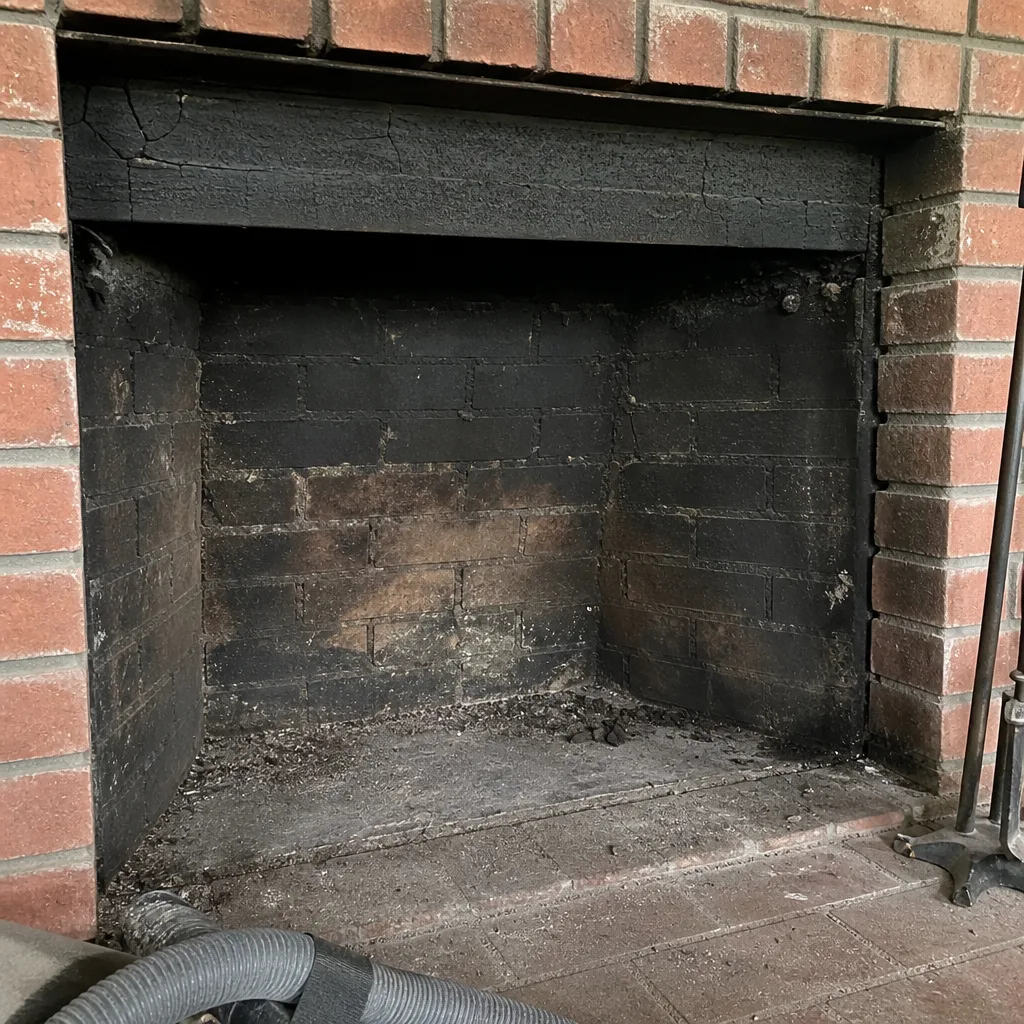 Before
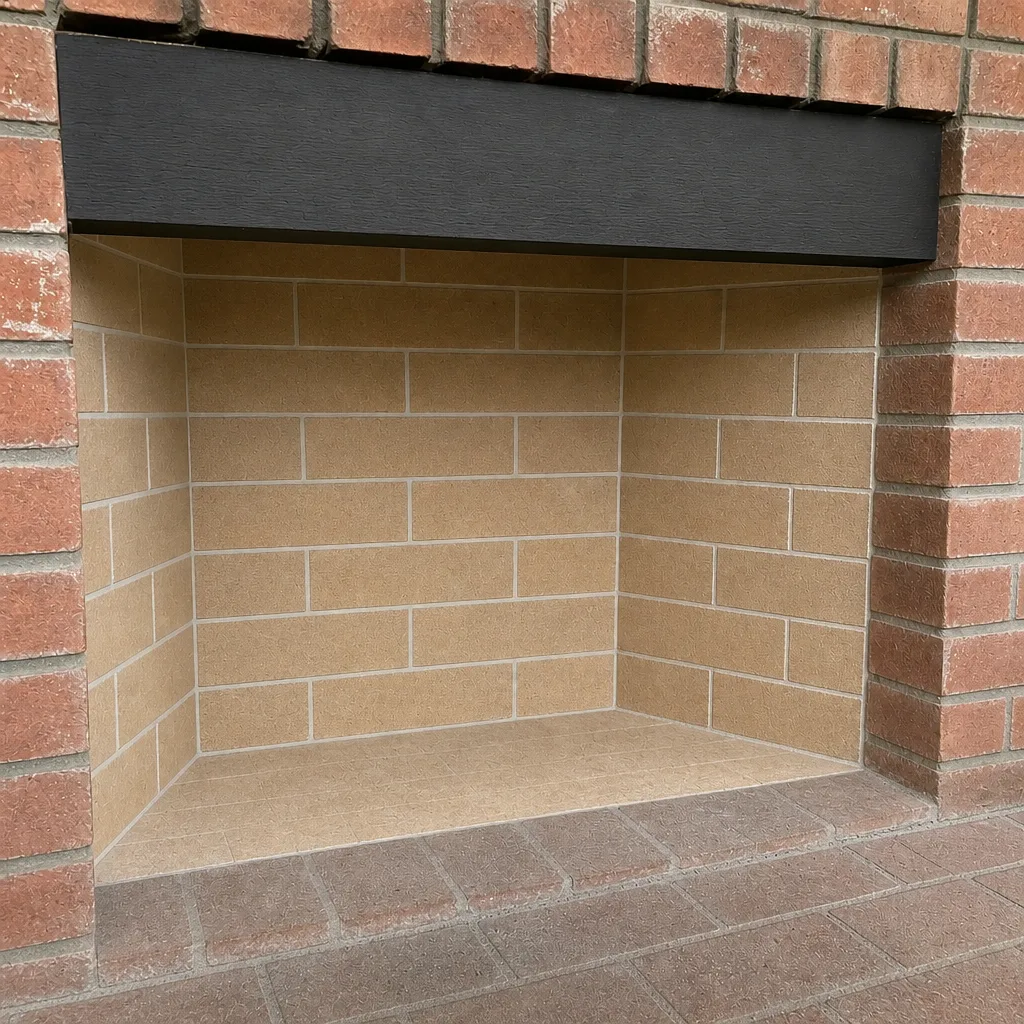 After
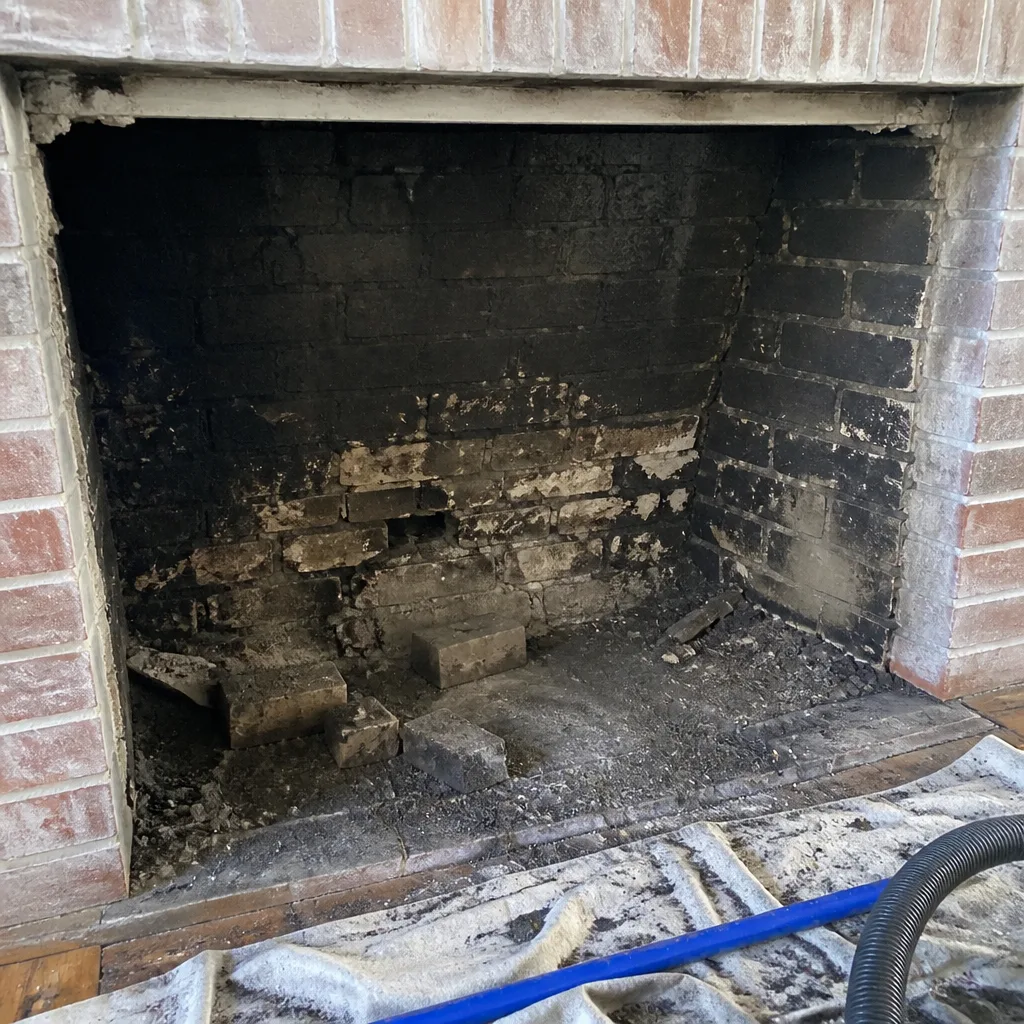 Before
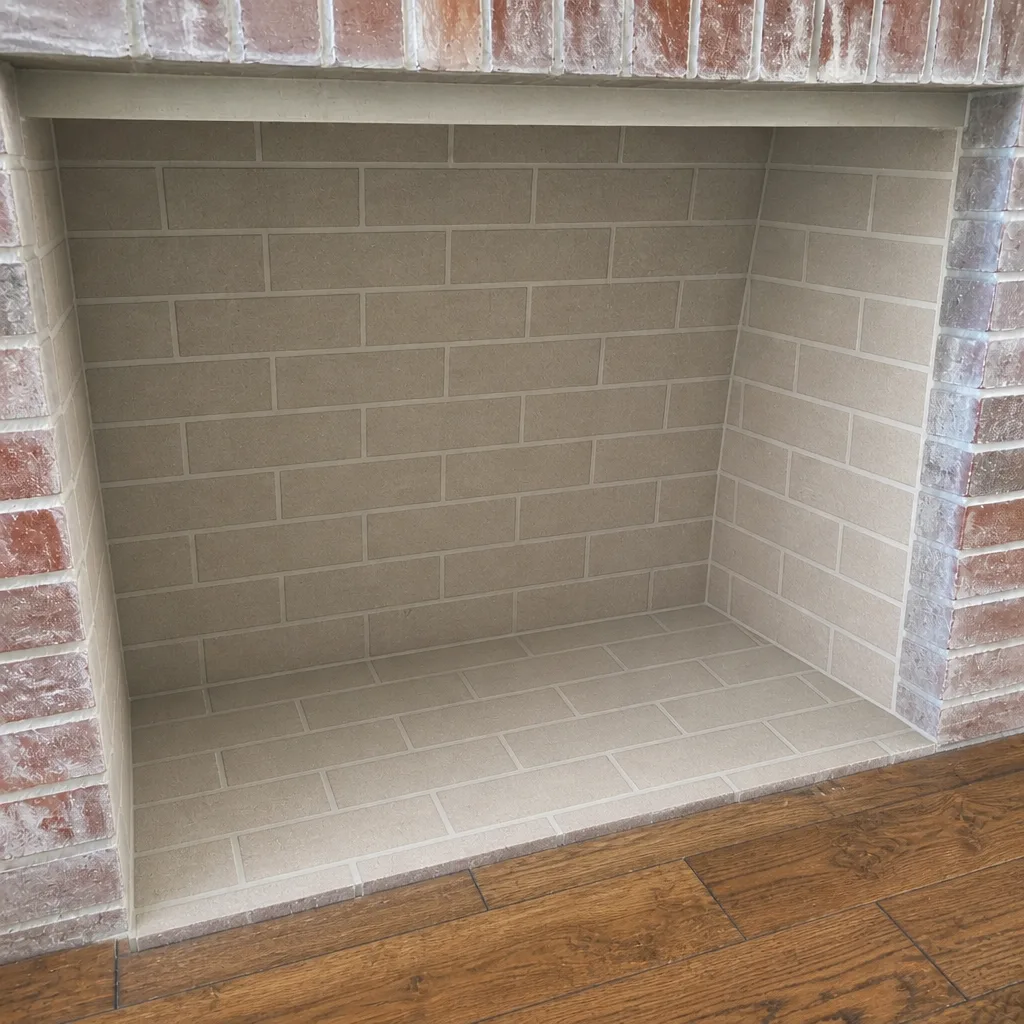 After
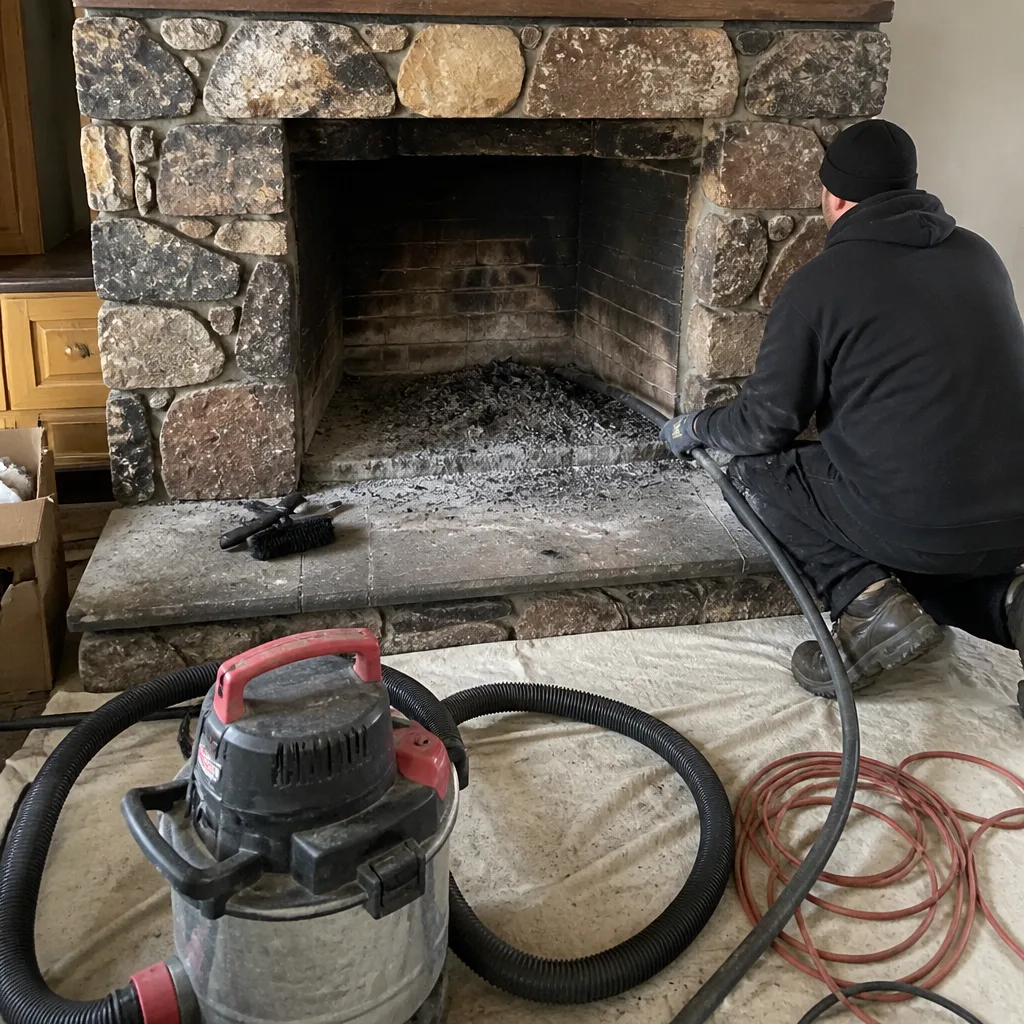 Before
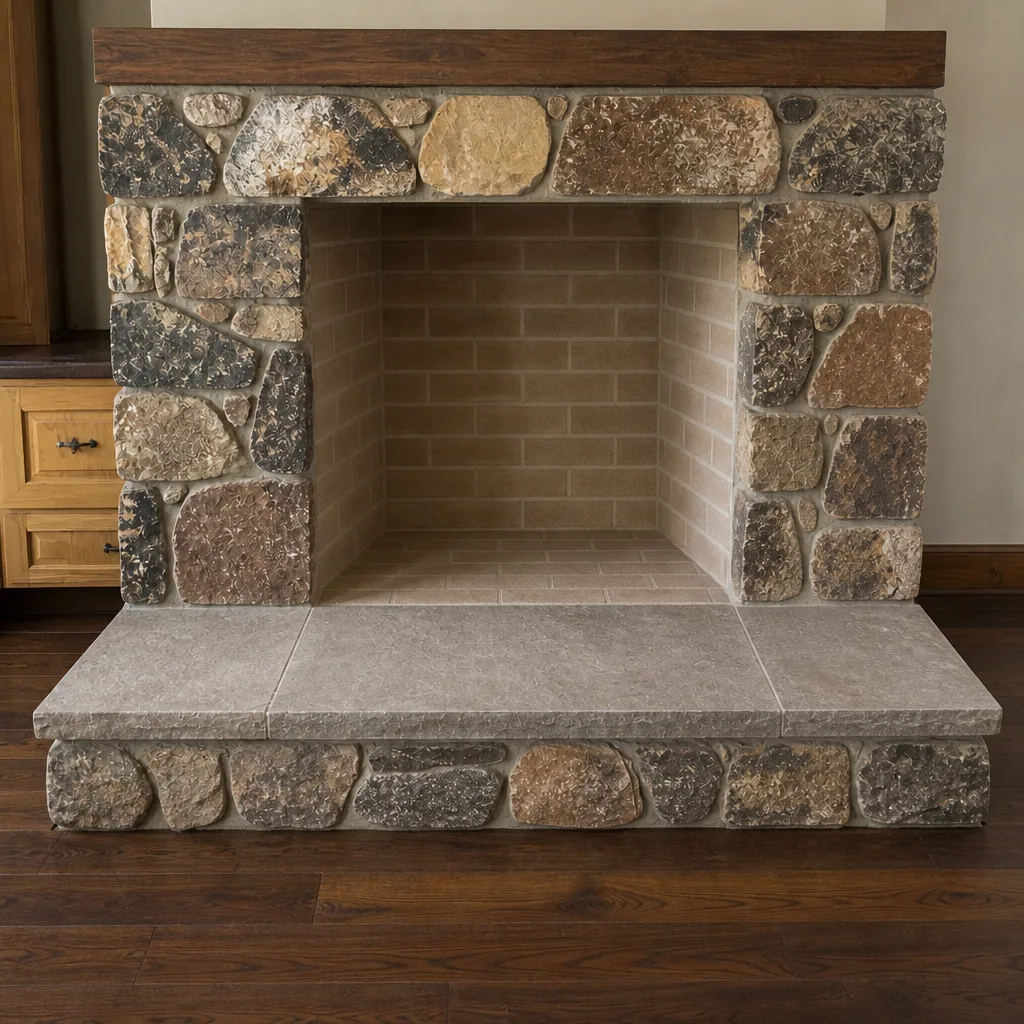 After
When to Call a Professional
Some chimney work is routine and some is urgent, and the difference usually comes down to whether the chimney is still safe to use. Call a professional when you see soot flakes falling onto the hearth or roof, when smoke backs into the room during a fire, when you smell smoke inside the house on a cold day, or when the fire doesn’t draft the way it usually does. Call as well when the chimney cap is broken or missing, when the crown is visibly cracked, or when a home inspector or insurance company has asked for a chimney evaluation. And call if you can’t remember the last time the chimney was cleaned. If the chimney has had a fire, even a small one, don’t use it again until a technician has inspected it. Marysville Chimney Sweep offers free estimates in Marysville, call (877) 820-9607.
Frequently Asked Questions
Chimney cleaning in Marysville is priced per job by written estimate, and the estimate is free. The price depends on the chimney’s configuration, how much creosote has built up, and whether the smoke chamber needs scraping. Call (877) 820-9607 for an exact quote. Estimates are free.
Once a year for most wood-burning chimneys, before the heating season. The inspection should happen annually regardless of cleaning frequency, because a broken cap or a cracked crown can cause damage even when the flue itself is clean. Call (877) 820-9607 to book a cleaning and inspection together.
A swept chimney has had its flue brushed; a cleaned chimney has had its flue brushed and all the debris captured and removed from the firebox, smoke shelf, and smoke chamber. The second is the only kind that actually removes the fire hazard. Ask how debris is captured when you book. Call (877) 820-9607 with questions.
Not always. A Level 2 camera inspection is necessary if you’re buying or selling a home, if you’ve had a chimney fire, if the fuel type changed, if the chimney drafts poorly, or if an insurer asked for it. For a routine annual cleaning, a Level 1 inspection is usually sufficient. Call (877) 820-9607 to talk through which one fits your situation.
Creosote keeps building up, and in Marysville’s wet climate, it glazes onto the flue tiles. Glazed creosote ignites at a lower temperature than loose soot, so a small, hot fire can start a chimney fire in the buildup. Skipping also means the crown and cap go unchecked, and water damage compounds over time. Call (877) 820-9607 to schedule before the next burning season.
Sometimes. HeatShield ceramic resurfacing can restore cracked or deteriorated flue tiles without a full liner replacement, depending on the extent of the damage. When the tile has failed completely, DuraFlex flexible liner systems are the alternative. A camera inspection determines which repair is appropriate. Call (877) 820-9607 to schedule the inspection.
The Bottom Line
Chimney cleaning in Marysville is not one task, it’s a system. The flue, smoke chamber, firebox, crown, and cap each collect different material, and the fire hazard lives in the zone most budget sweeps skip. If you take three things from this guide, take these: a complete cleaning touches every zone, not just the flue; the post-service report is how you verify the job; and the cap and crown are structural parts of the chimney, not accessories. Keeping all five in order means the next fire is safe, not just successful.
If you’re ready to book, or you want a second opinion on work that was recently done, call Marysville Chimney Sweep at (877) 820-9607 for a free estimate. We answer 24/7. Fast dispatch from 7am to 7pm, Sunday through Friday.
Written by the team at Marysville Chimney Sweep.