
Last updated November 25, 2026
 Sweep & inspection
 Caps & crowns
 Flue relining
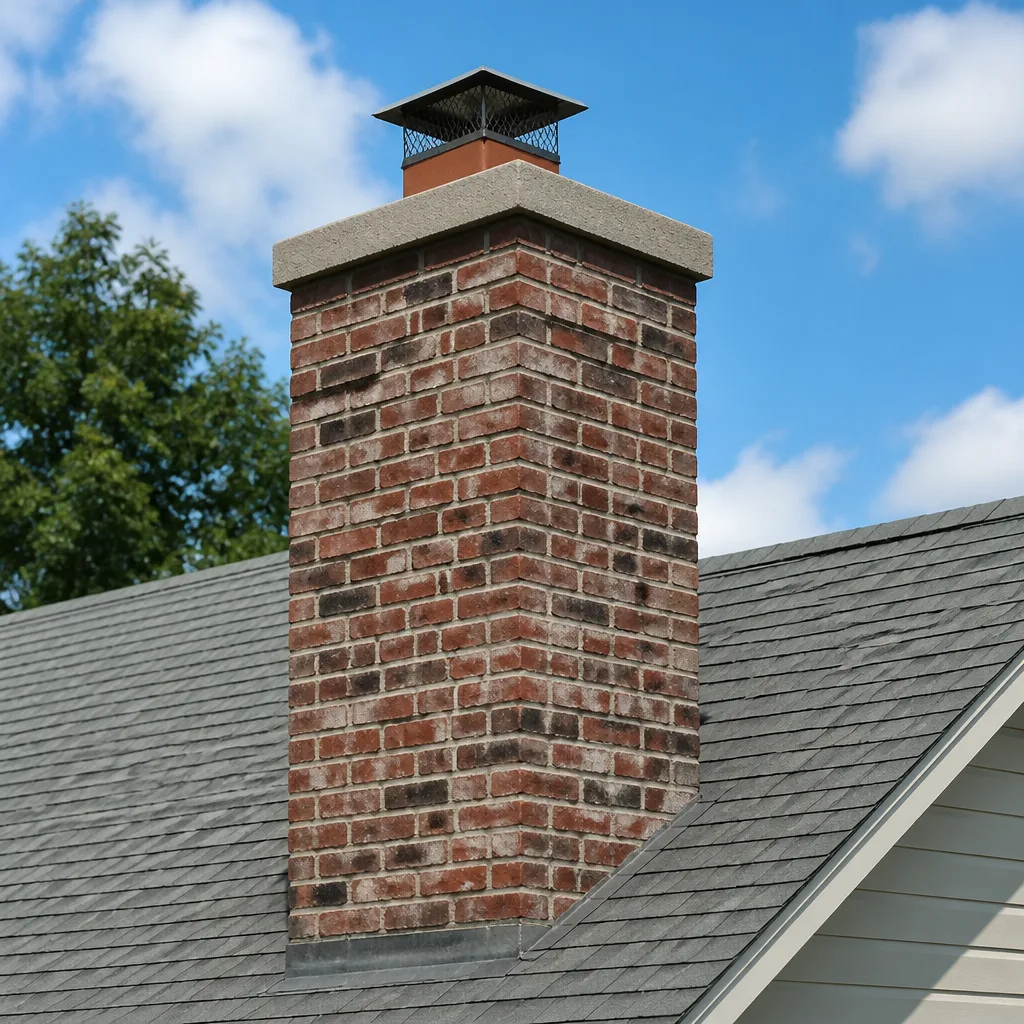 Masonry repair
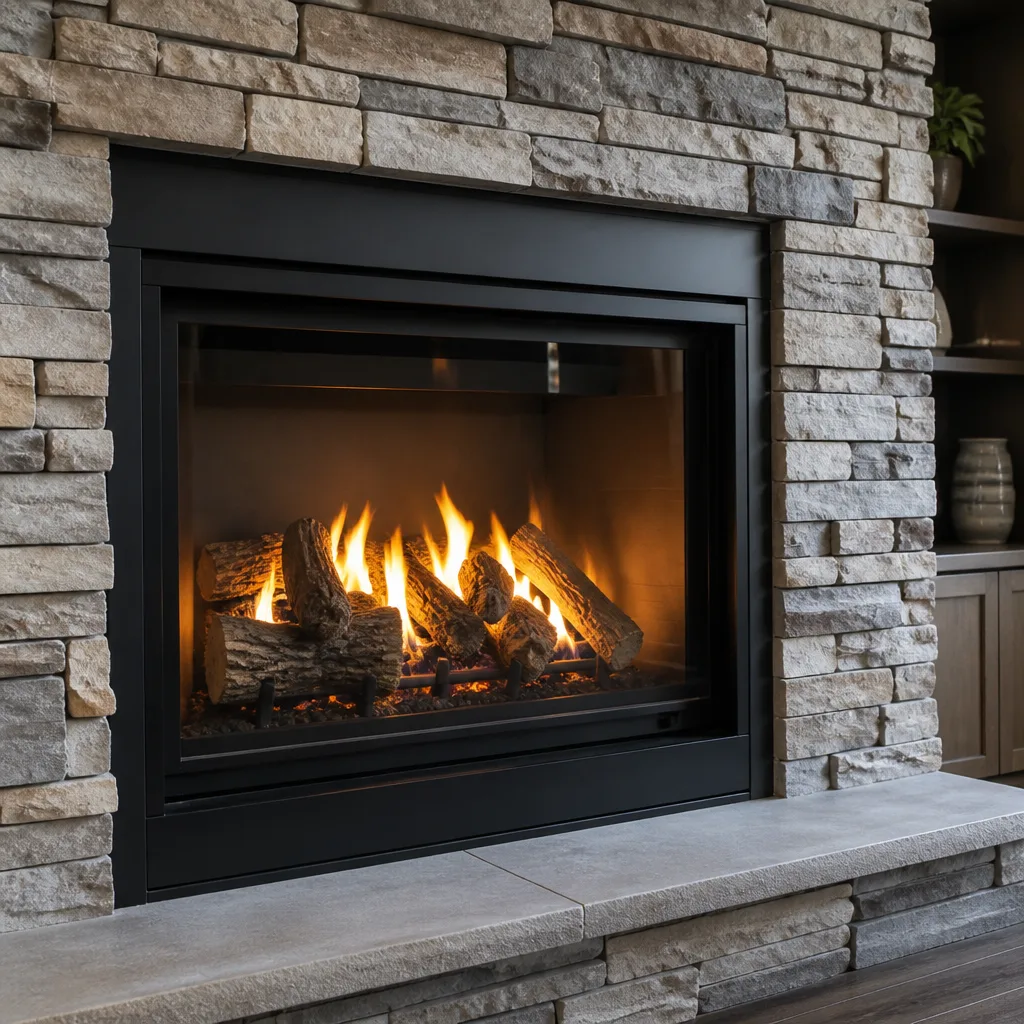 Gas fireplace service
Level 1 sweep and inspection to the NFPA 211 annual standard - flue, crown, cap, and flashing checked and photographed
Chimney sweep logs do not sweep chimneys. They loosen some creosote - which then falls where a brush and vacuum still have to collect it.
Chimney Sweep Maintenance Checklist for Marysville Homeowners
Most chimney problems in Marysville are discovered in the wrong season. A cap that loosens in August, a crown that grows moss through the wet spring, a flue tile that cracks during the first hard burn of November – none of these announce themselves. They wait. The homeowner who checks the cap in October finds damage that started months earlier, when nesting birds and summer humidity did their quiet work. That’s the counterintuitive part of chimney care: the maintenance that matters most happens before you need the fireplace, not after. This guide gives you a checklist organized by chimney type and by Marysville’s actual seasonal conditions, so you check the right things at the right time.
Quick Answer
A chimney maintenance checklist for a Marysville homeowner should be built around your chimney type – masonry or factory-built prefab – because the inspection points are not interchangeable. Check the exterior cap, crown, and flashing each fall before heating season, and check interior indicators like smoke staining and damper seating any time you use the fireplace. A professional sweep and inspection belongs on the calendar once a year, and any cracked flue tile, loose crown, or damaged cap should be assessed by a chimney specialist rather than a general handyman.
Styles & brands we work with
- Sweep & inspection
- Caps & crowns
- Flue relining
- Masonry repair
- Gas fireplace service
Table of Contents
- Why Your Chimney Type Changes the Checklist
- The Masonry Chimney Checklist
- The Factory-Built Prefab Chimney Checklist
- Marysville Seasonal Triggers: What the Weather Does to Your Chimney
- Interior Indicators You Can Safely Check Yourself
- What You Can Document vs. What Needs a Certified Sweep
- How to Log Findings Year Over Year
- Common Mistakes to Avoid
- When to Call a Professional
- Frequently Asked Questions
Why Your Chimney Type Changes the Checklist
A masonry chimney and a factory-built prefab chimney fail in completely different ways, and treating them with the same checklist is how real problems get missed. Masonry stacks – brick or stone with a clay tile flue liner – are heavy, slow to dry, and vulnerable to water. Prefab units – the metal fireboxes with a stainless or galvanized flue inside a framed chase – are lighter, more sensitive to heat stress, and depend on manufacturer-specific parts that don’t swap between brands. The wear patterns don’t overlap much.
Here in Marysville, a lot of homes built in the 1980s and 1990s have factory-built fireplaces, while older houses closer to the historic downtown core tend to have masonry stacks. That matters because the two need different eyes on them. A masonry chimney rewards a homeowner who watches the crown and the mortar joints. A prefab fireplace rewards a homeowner who watches the firebox panels and the cap on the chase.
Knowing which one you have is the first step. Open the firebox door and look at the back wall. Brick or stone with visible mortar means masonry. Smooth metal panels with a manufacturer’s tag on the frame means factory-built. If you’re not sure, a chimney inspection settles it quickly and gives you a baseline for everything else on this checklist. Getting the type right at the start saves you from checking the wrong failure points for years.
The Masonry Chimney Checklist
A masonry chimney in Marysville needs a check of six specific points, and each one tells you something different about how the stack is holding up. Water is the enemy here – most structural failures in a masonry chimney trace back to moisture getting in and freezing, thawing, and working the joints apart.
- The crown. The crown is the concrete cap at the very top of the stack that sheds water away from the brick. Look for cracks, spalling (flaking concrete), or a crown that has pulled away from the flue. A hairline crack is cosmetic until water gets in; a crack wide enough to hold a dime, or moss growing in it, means the water is already winning.
- The mortar joints. Run your eyes down the exterior of the stack. Recessed or crumbly mortar between bricks is the first sign of water damage. If you can dig a joint out with a screwdriver, it needs repointing.
- The flashing. The metal where the chimney meets the roof is where most leaks start. Look for lifted edges, rust, or gaps in the sealant.
- The flue liner. Clay tile liners crack with heat cycling. You can’t safely see the full length of the flue from the firebox, so this is a camera-inspection item – a chimney repair assessment catches liner problems before they become a hazard.
- The cap. A masonry chimney without a cap is an open door for rain, birds, and squirrels. A proper cap with a spark screen is standard.
- The firebox. Look at the brick at the back of the firebox. Cracked firebrick or missing mortar lets heat reach the surrounding structure.
Each of these is a visual check for a homeowner, but the flue liner and the firebox joints are the two that need a professional’s eye. If the crown is showing moss in the spring, don’t wait for fall – that’s active moisture, not cosmetic staining.
The Factory-Built Prefab Chimney Checklist
A factory-built fireplace has a different set of failure points, and the checklist is shorter but stricter because the components are engineered to work as a matched system. You can’t substitute a generic part on a prefab unit the way you sometimes can with masonry – the firebox, flue, and cap are designed together, and one wrong part can void the safety of the whole assembly.
- Firebox panels. The metal or refractory panels inside the firebox are the first thing to inspect. Look for cracks, warping, or gaps where the panels meet. A cracked panel lets heat reach the framing behind it.
- The flue and chase cap. The cap on top of the chase keeps water and animals out. A damaged cap on a prefab chimney is a fast path to water in the chase, which is a costly repair.
- The damper. The damper should open and close fully and seat flush when closed. A damper that won’t seal lets heat escape up the flue when the fireplace isn’t in use.
- The chase exterior. The siding or cladding around the chase on the outside of the house needs to be intact. A gap in the chase covering is an entry point for water.
- The spark screen and cap assembly. These need to be the correct part for the unit. If a generic cap has been fitted, it may not vent the way the unit was designed to vent.
- Clearances. Look at what’s near the firebox opening – furniture, a mantel, a rug. Prefab fireplaces have specific clearance requirements that don’t change with the decor.
When a prefab unit needs a component replaced, the right part matters. We name what we install here – Famco and Gelco caps, for example, are made for the professional trade and fit known units – because a mystery part on a factory-built system is a safety risk, not a cost saving. A proper chimney cap and crown installation for a prefab unit takes the specific brand and model of the fireplace into account.
Marysville Seasonal Triggers: What the Weather Does to Your Chimney
Marysville’s climate does specific things to a chimney, and a maintenance checklist built around generic calendar months misses them. The wet season and the drying season here create a cycle that shows up on the exterior of a chimney long before it shows up inside.
Spring and early summer: the moss window. Marysville’s wet springs keep the crown and the brick damp for weeks. That’s when moss establishes. Here’s the distinction that matters: a light dusting of green on the crown can be brushed off and watched, but moss that has rooted into a crack in the crown is a signal that water is sitting in that crack and freezing and thawing. That’s not cosmetic. Rooted moss means the crown is failing and needs real repair, not a scrub.
Summer: the nesting window. From late spring through August, birds, squirrels, and wasps move into any uncapped flue. A cap that’s missing or damaged in the spring is a nest by July. This is exactly why an October cap check finds August’s damage.
Fall: the prep window. Before the first burn of the season, the cap, crown, flashing, and firebox all need a look. In Marysville, the first cold snap can come fast, and a chimney that isn’t ready gets discovered the hard way.
Winter: the creosote window. Wood smoke condenses into creosote on the flue walls, and cool, damp weather speeds that up. The more often you burn, and the cooler the flue, the faster creosote builds. A sweep before the season starts keeps that buildup from reaching a dangerous level.
Knowing these windows lets you plan around Marysville’s actual weather instead of a generic calendar. The crews here work Sunday through Friday, 7am to 7pm, and we answer the phone 24/7 if you’re not sure whether something needs attention now or can wait.
Interior Indicators You Can Safely Check Yourself
You don’t need to climb on the roof to catch a lot of chimney problems early. Three interior signs are safe to check yourself with no special tools, and they tell a technician a great deal when you document them.
Smoke staining patterns. Look at the brick or stone above and around the firebox opening. Staining that runs straight up from the opening can mean a drafting problem. Staining that’s concentrated on one side often points to a flue that’s partially blocked or a damper that isn’t seating correctly. Photograph it and note the date – a pattern that grows from year to year is a story.
Damper seating. Open the damper fully, then close it. It should move smoothly and sit flush against its frame. A damper that sticks, grinds, or won’t close tight lets heat escape and can let cool air down the flue when the fireplace is off. You can photograph the damper edge with your phone camera to see whether it’s sitting true.
Firebox joint integrity. With a flashlight, look at the joints where the firebox walls meet the floor and each other. You’re checking whether the mortar or refractory cement is intact and whether any brick or panel is loose. Don’t try to repair this yourself – the firebox is a high-heat zone and the wrong repair material is a hazard. What you can do is document what you see and hand it to a professional.
These three checks take ten minutes and cost nothing. A fireplace repair technician can use your photos and notes to narrow down the source of a problem fast, and they’ll confirm whether what you saw is normal wear or something that needs attention now.
What You Can Document vs. What Needs a Certified Sweep
The line between “safe to check” and “call a professional” is clear once you know it, and staying on the safe side of it protects both you and your house. Here’s how we draw that line.
Safe for a homeowner with a flashlight and a phone camera:
- Exterior crown, cap, and flashing condition (from the ground with binoculars or from a safe viewing point, not by climbing)
- Exterior mortar joint appearance
- Interior smoke staining patterns
- Damper operation and seating
- Firebox joint appearance
- Clearances around the hearth and opening
- Chase siding condition on a prefab unit
Needs a trained chimney professional:
- Scanning the full length of the flue for cracks, gaps, or separation
- Assessing creosote levels and stage of buildup
- Evaluating the flue liner for integrity and correct sizing
- Any repair to the firebox, liner, crown, or damper
- Confirming that prefab components are correct and matched to the unit
This is the distinction that matters most for Marysville homeowners: a visual exterior check tells you that something might be wrong, but a camera inspection inside the flue tells you what’s actually going on. Nothing is recommended without camera evidence you can see for yourself. If a repair can safely wait, we say so. The work here is a safety assessment, not a sales call, and the difference is whether you can see the reason for the recommendation.
How to Log Findings Year Over Year
A checklist becomes far more useful the second year you use it, because you can compare. A crown crack you noted in one October and measured again the next tells you whether the damage is accelerating. That’s a structural early warning, and it’s the single most useful thing a homeowner can bring to a technician.
Keep the log simple. A notebook or a note on your phone is enough, as long as you record the same things each year:
- Date and season of each check. Note when you looked – the season matters in Marysville.
- Crown and cap condition. Describe it in plain words and photograph each point from the same angle every year so the comparison is honest.
- Mortar joint condition. “Feels solid,” “crumbly at the rear,” “spalling on the west face” – whatever you actually see.
- Interior indicators. Sketch or photograph the stain pattern and note the damper’s operation. A stain that grew since last year is the entry that tells a technician to look again.
- Professional findings. When a sweep or inspection is done, write down what was found and what was done about it – a cracked tile that was resurfaced, a cap that was replaced.
Bring the log to every appointment. A technician with up to 12 years of experience can read a two- or three-year record and spot accelerating wear that a single look wouldn’t reveal. Restoring a deteriorating clay flue tile with a ceramic resurfacing product, for example, is a judgment call that a year-over-year record makes clearer – sometimes it’s the right fix, sometimes a full relining with a DuraFlex liner is the honest answer, and the record tells you which. A proper chimney sweep appointment is a good time to update the log, since that’s when the technician is already looking at the whole system.
Common Mistakes to Avoid
- Using one checklist for both chimney types. A masonry stack and a prefab unit wear out differently. Checking a prefab firebox against masonry criteria, or the reverse, means you miss the failure points that actually apply. Know which one you have before you start.
- Treating crown moss as purely cosmetic. A light dusting can be watched, but moss rooted in a crack means the crack is holding water. In Marysville’s wet climate that water freezes and thaws through the season and widens the crack each cycle. Rooted moss on the crown warrants immediate attention, not a scrub and a shrug.
- Skipping the cap check in favor of the flue check. Homeowners focus on the flue and forget the cap. An uncapped chimney in Marysville is a nesting site by summer and a water funnel by fall. The cap is the first defense against the water that causes most structural failure.
- Cleaning the chimney without inspecting it. A sweep clears creosote, but it doesn’t automatically assess the liner, the crown, or the firebox. Ask for both, and ask to see the camera evidence. Cleaning and inspection are separate jobs that belong together.
- Making the flue liner a do-it-yourself project. Replacing or resurfacing a flue liner is high-stakes work. Getting the material wrong can leave a gap that allows heat to reach the framing. Use a professional, and ask what material is being used – HeatShield ceramic resurfacing and DuraFlex flexible liners are the kind of professional-grade products to look for.
- Letting a handyman handle chimney repairs. A general handyman may do fine work, but chimney repair requires trade-specific materials and a knowledge of how the flue, crown, cap, and firebox function as a system. Specialists work with products the trade relies on, like those from Olympia Chimney and Copperfield, because generic parts don’t hold up the same way.
- Not keeping records. A one-time look tells you the condition today. A written record over two or three years tells you the direction things are moving. Without it, you can’t tell whether a crack is stable or growing, and neither can your technician.
When to Call a Professional
A trained chimney professional should be called when you see any of these: a crown crack that’s widening or holding moisture, moss rooted in the crown or brickwork, a flue liner crack visible from the firebox, smoke staining that’s changed or grown since your last check, a damper that won’t seat flush, a firebox joint that’s crumbly or a panel that’s cracked, or a damaged or missing cap. Any of these is reason enough to book an assessment now – not to wait and watch.
Some situations are urgent. If you smell smoke in the house when the fireplace isn’t in use, or if you’ve had a chimney fire, call before you burn again. For the rest, a thoughtful checklist brings you to the right decision. Marysville Chimney Sweep offers free estimates in Marysville – call (877) 820-9607. We answer 24/7. Fast dispatch from 7am to 7pm, Sunday through Friday. The written estimate sets the final price, and nothing gets recommended that you can’t see for yourself in the camera evidence.
Frequently Asked Questions
A chimney should be swept once a year if you burn wood regularly, and inspected at least once a year regardless of how often you burn. Marysville’s damp winters and long burning season mean creosote can build faster than in a drier climate, so an annual sweep before the season starts is the safe default. If you burn green wood or burn often, ask a sweep whether a mid-season check makes sense. Call (877) 820-9607 for a free estimate on your sweep.
A sweep cleans the flue and firebox; an inspection assesses the condition of the whole system. They’re related but separate services, and a proper maintenance routine includes both. A sweep without an inspection can leave a cracked liner or a failing crown undetected, and an inspection on a dirty flue can miss problems hidden under creosote. We offer inspection as a standalone service because it matters on its own – for a home purchase, an annual safety check, or after a storm.
Yes, and you should. A homeowner can safely document the exterior crown, cap, and flashing condition, interior smoke staining, damper operation, and firebox joints using a flashlight and a phone camera. What you shouldn’t do is climb on the roof, scan the full flue, or attempt any repair. Those need a trained professional with the right tools and the right materials. Document what you see, and bring the photos to your next appointment.
Moss that’s lightly dusting the crown can be watched; moss that’s rooted into a crack means water is sitting in the crack. In Marysville’s wet climate, that water freezes and thaws through the season and widens the crack each cycle. That’s not cosmetic – it’s active damage to the crown, and the crown is what sheds water away from the brick below. A rooted moss patch should be assessed rather than scrubbed off. Call (877) 820-9607 for a look.
Yes. A factory-built or prefab unit has a shorter but stricter checklist because its components are engineered to work as a matched system. The firebox panels, flue and chase cap, damper, chase exterior, and clearances all need checking, and any replacement part needs to match the unit. You can’t substitute a generic cap or firebox component on a prefab the way you sometimes can with masonry. Say the word when you book and we’ll check the right things for your unit.
Creosote builds up in the flue, and at higher levels it becomes a chimney fire risk. Cracks in the crown and mortar let water in, and water damage is what causes most structural chimney failures. A cracked flue liner lets heat reach the framing. None of these announce themselves early, which is why an annual check matters even when the fireplace “seems fine.” Skipping maintenance doesn’t make the chimney safer; it just moves the discovery of a problem to a less convenient and more expensive moment. A free estimate is the cheapest way to know where you stand – call (877) 820-9607.
Common Mistakes to Avoid (Recap)
The single biggest mistake is treating all chimneys the same. A masonry stack and a prefab unit have different failure points, and a checklist built for one can miss the damage in the other. The second biggest is skipping the yearly inspection because the fireplace “seems fine” – most chimney problems start silently and are cheapest to fix early.
Watch the exterior each fall for crown cracks, rooted moss, loose flashing, and a damaged cap. Note the smoking pattern and the damper seating inside each winter. Keep a simple log so you can spot changes over time. Those habits cost nothing and catch the problems that a technician would otherwise find later.
The Bottom Line
A chimney maintenance checklist works best when it’s matched to your chimney type and to Marysville’s real seasonal conditions. Masonry chimneys fail at the crown, the mortar joints, and the flue liner; prefab chimneys fail at the firebox panels, the chase cap, and the damper. Check the exterior each fall, watch the interior indicators each winter, and pay attention to Marysville’s moss and nesting windows through the warmer months. Keep a written record so you can see whether a crack is stable or growing. When something needs eyes and tools you don’t have, call a specialist you trust. Marysville Chimney Sweep offers free estimates – call (877) 820-9607. We answer 24/7. Fast dispatch from 7am to 7pm, Sunday through Friday.
Written by the team at Marysville Chimney Sweep.
See the difference
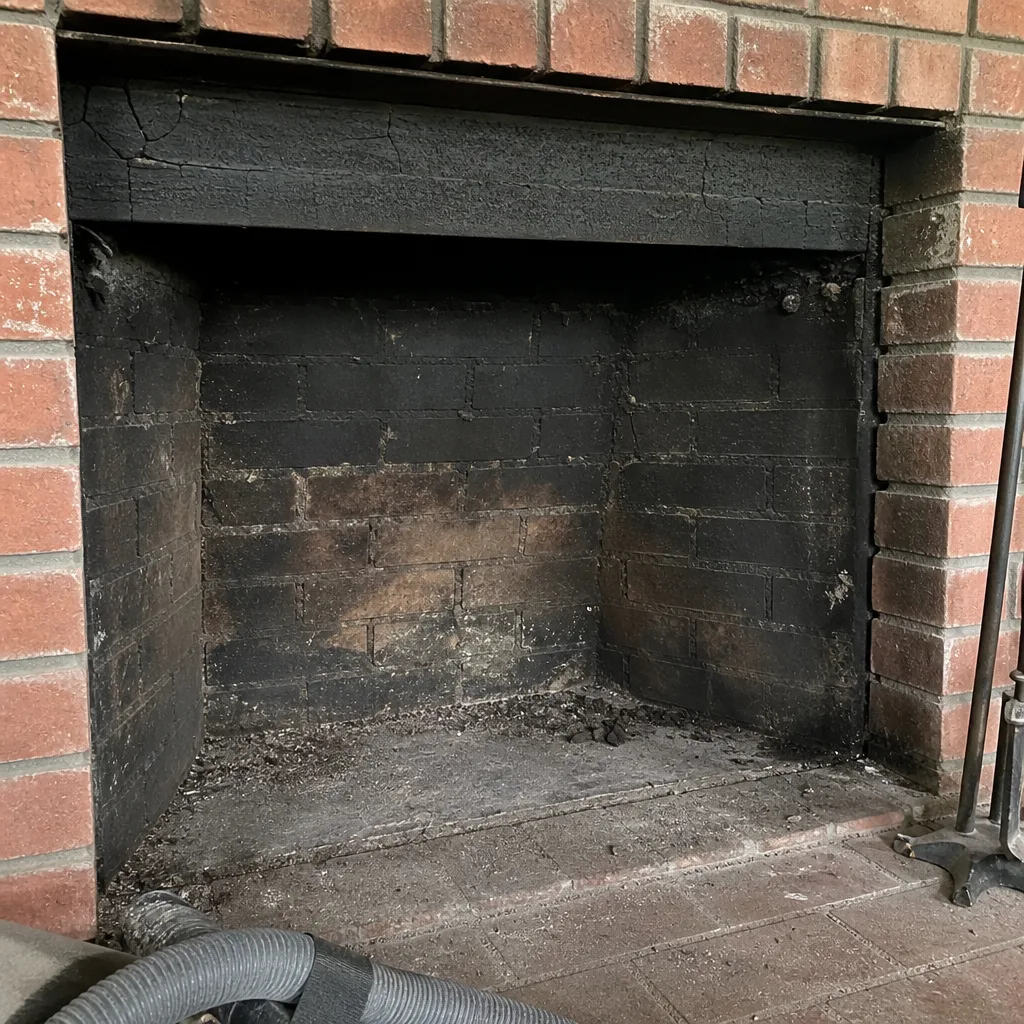 Before
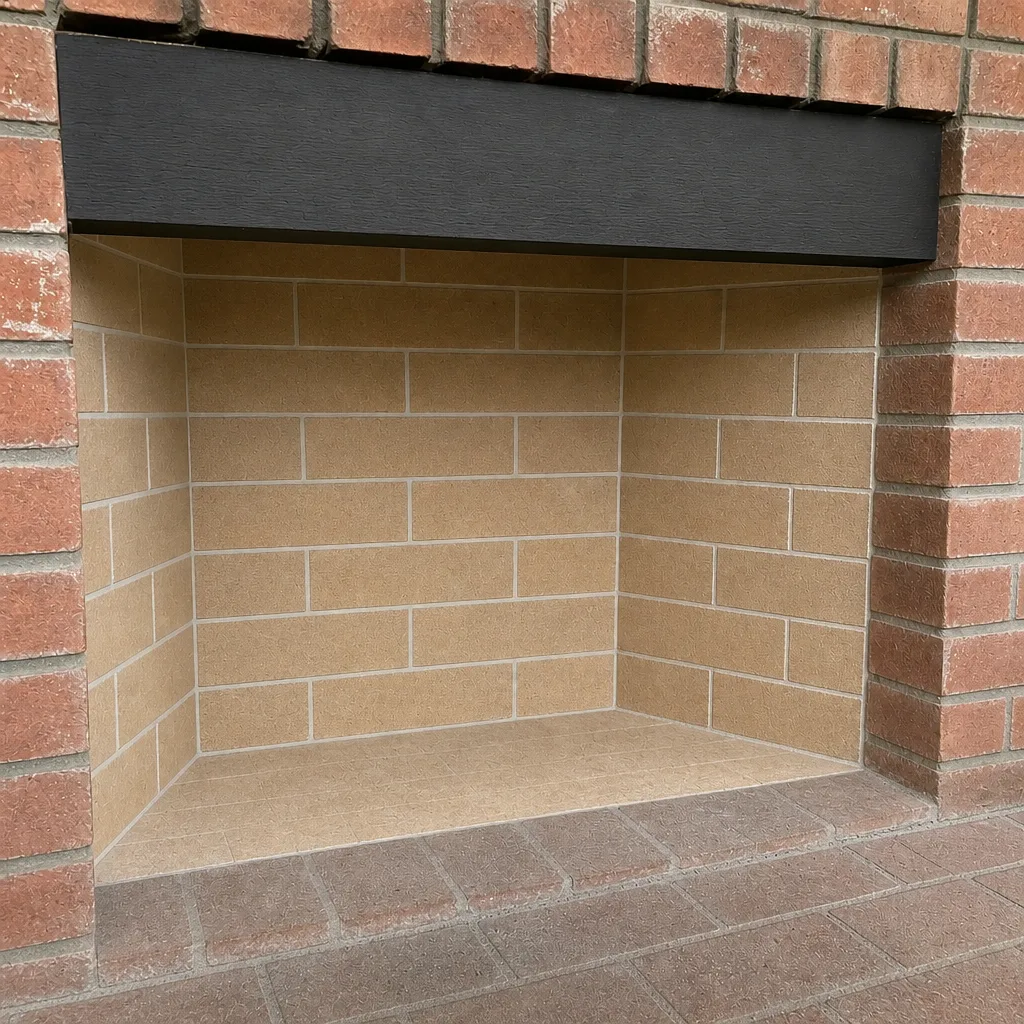 After
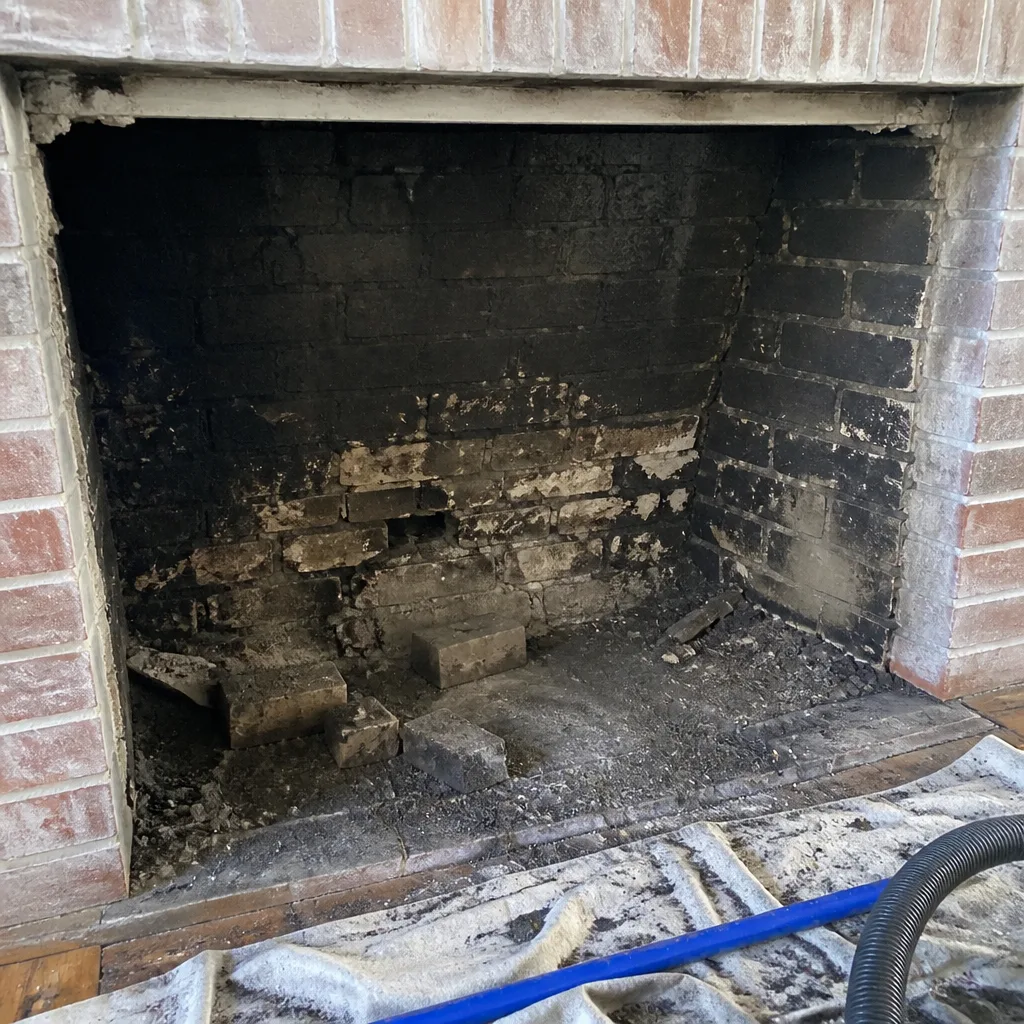 Before
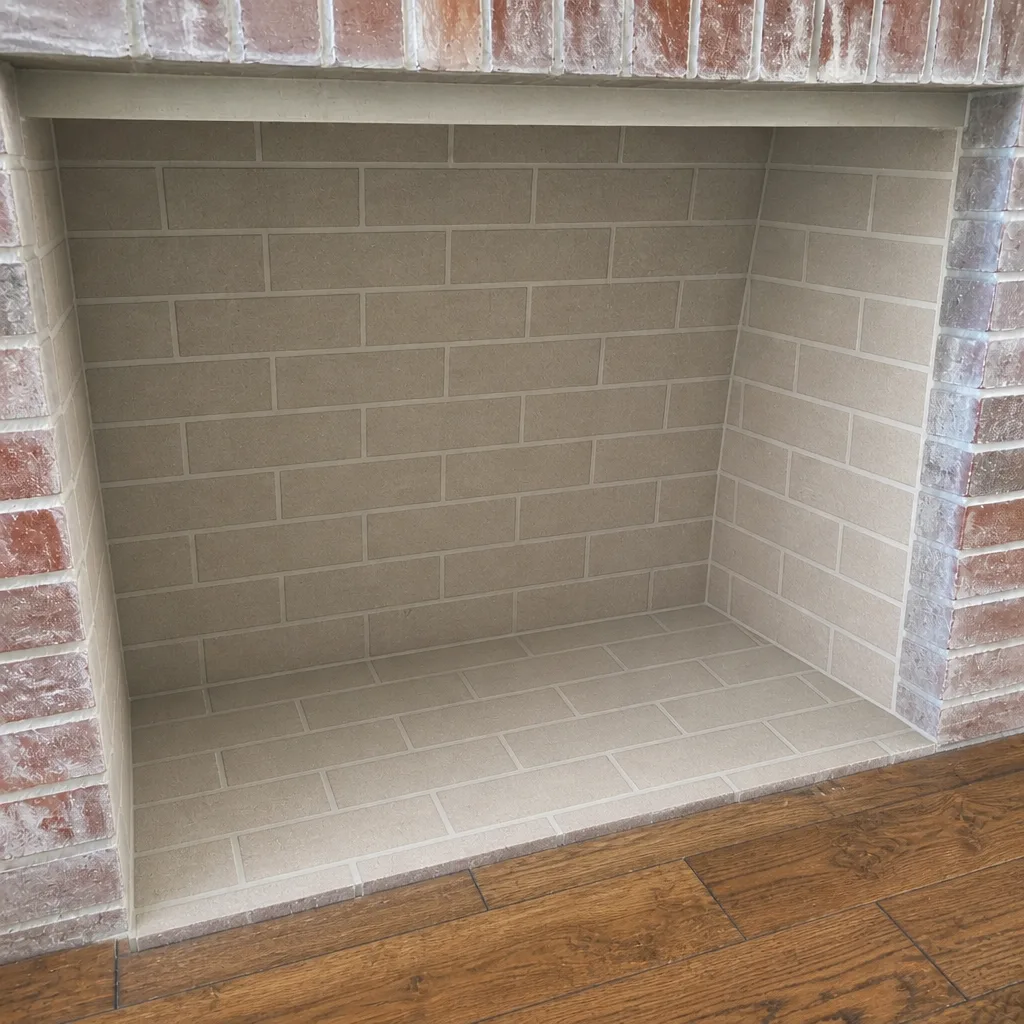 After
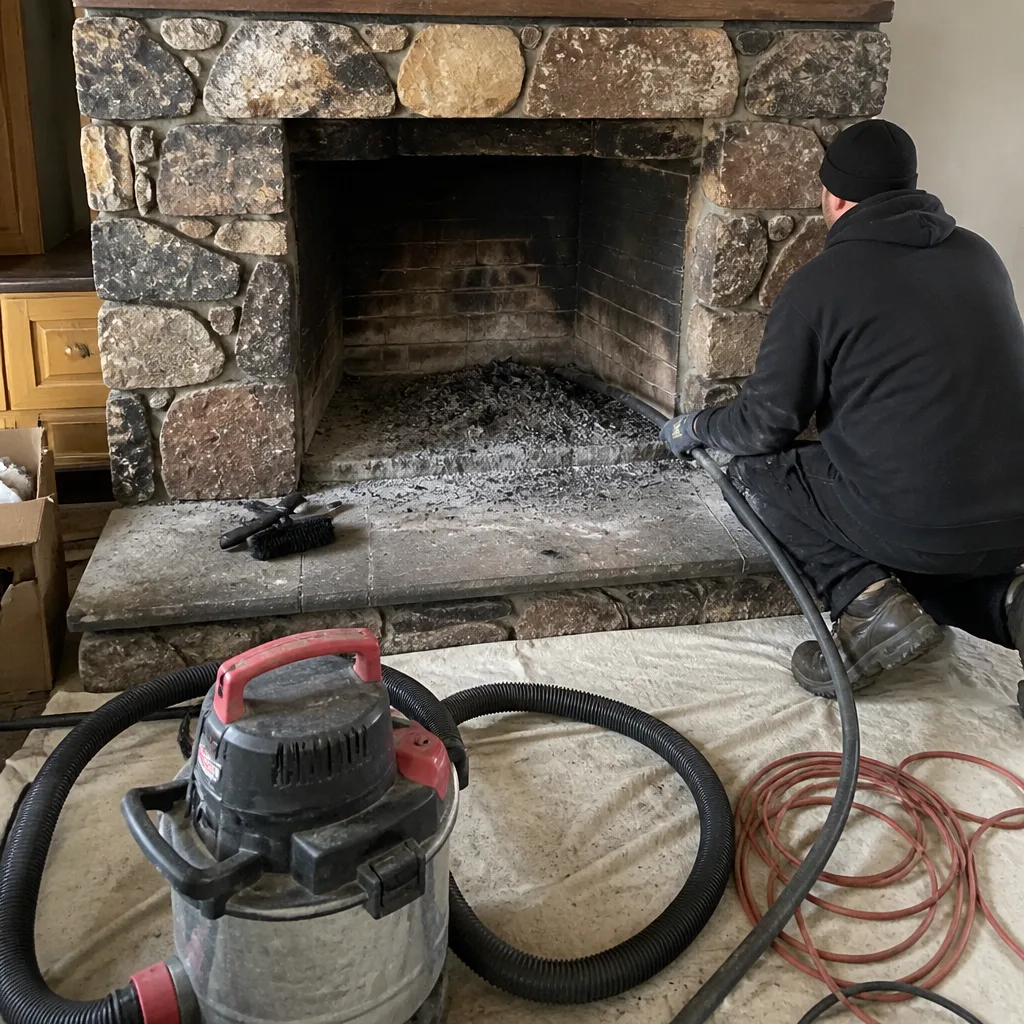 Before
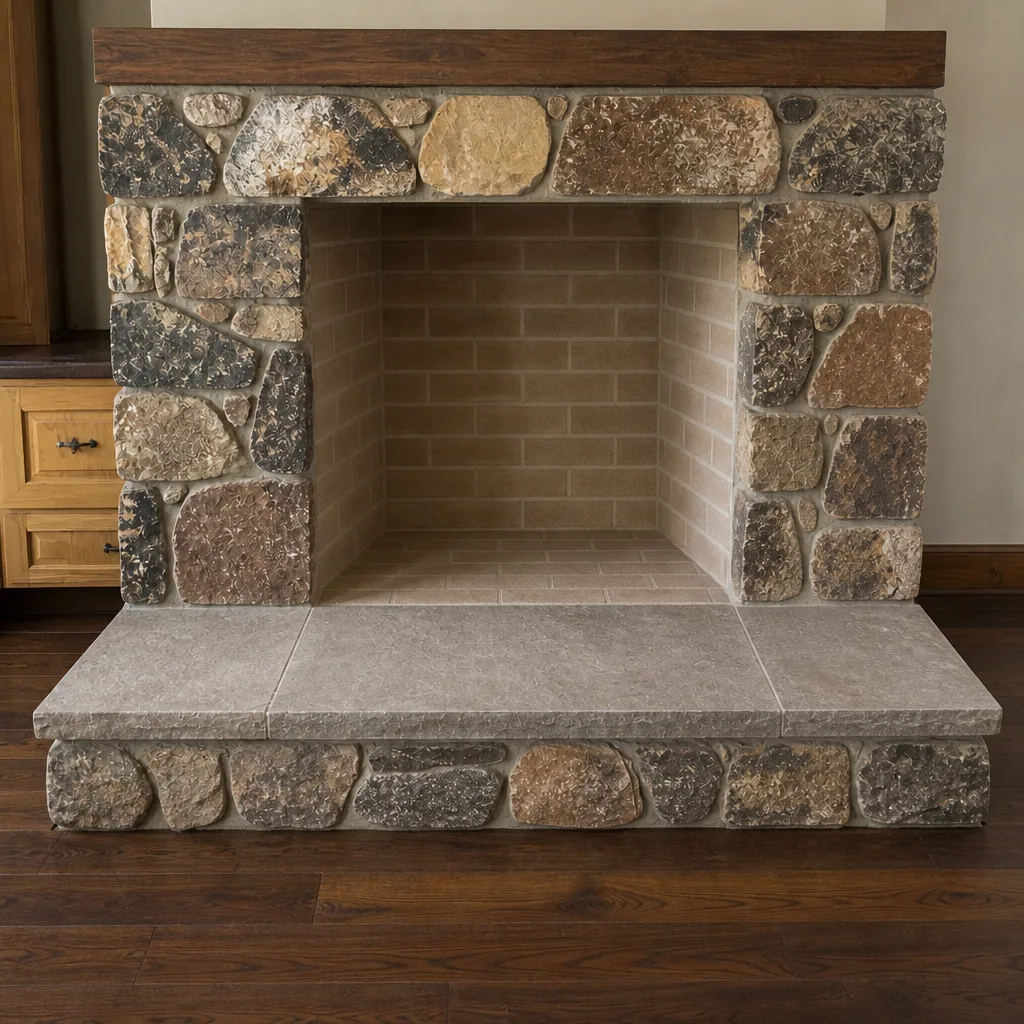 After