
Last updated November 25, 2026
 Sweep & inspection
 Caps & crowns
 Flue relining
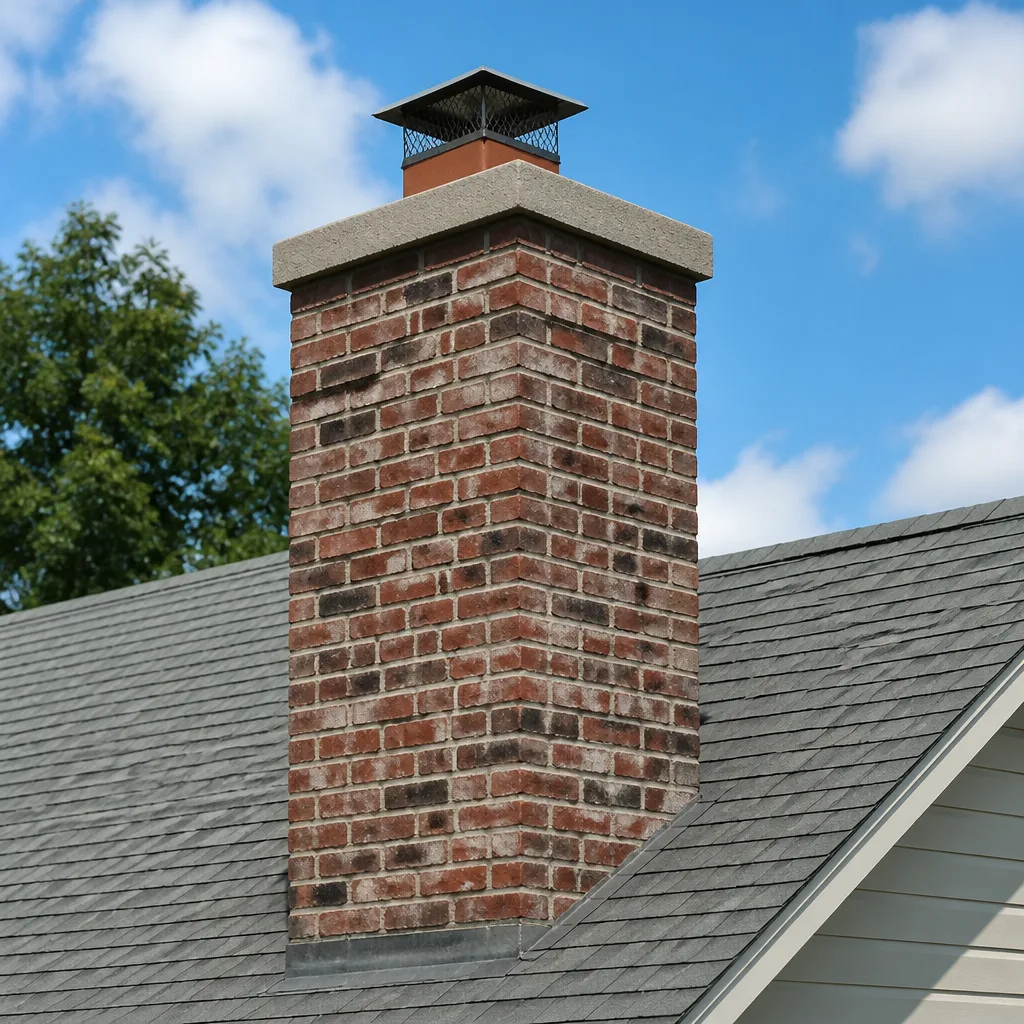 Masonry repair
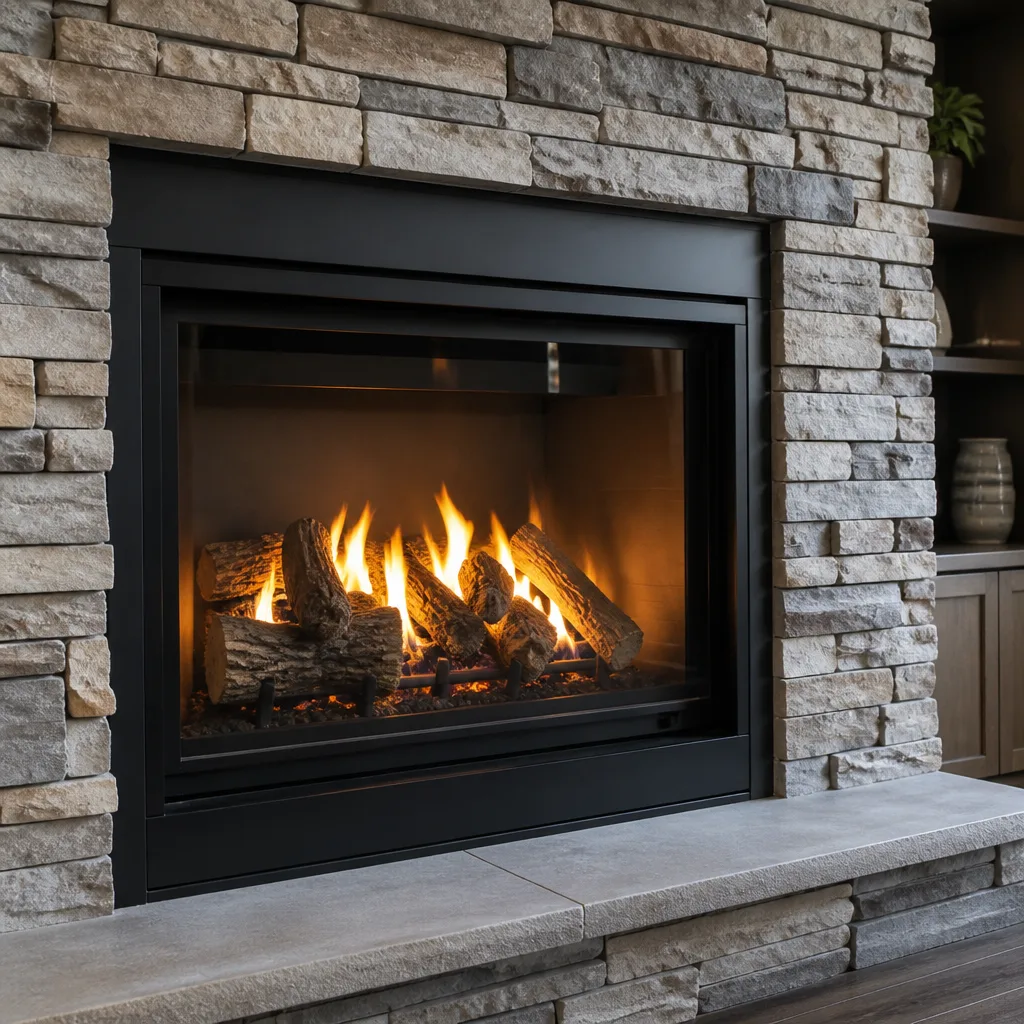 Gas fireplace service
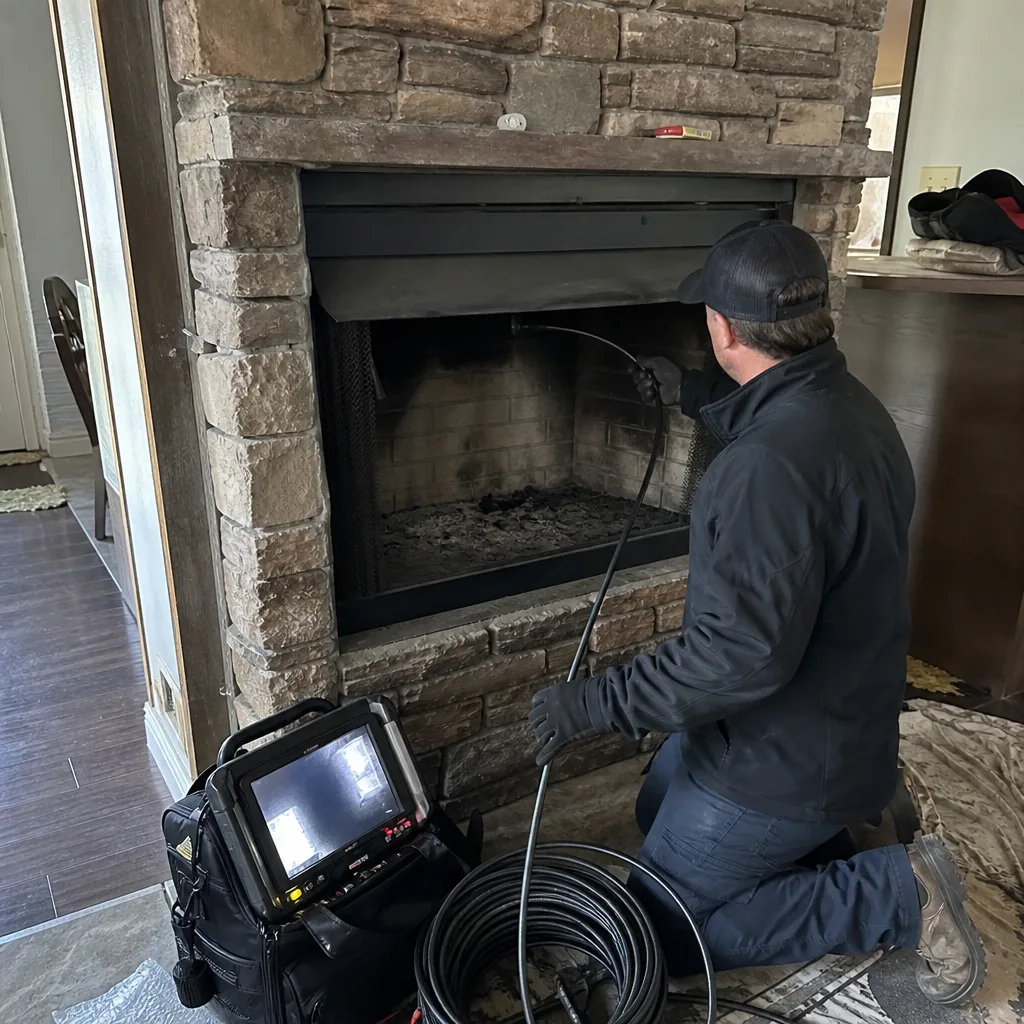
Level 1 sweep and inspection to the NFPA 211 annual standard - flue, crown, cap, and flashing checked and photographed
Chimney sweep logs do not sweep chimneys. They loosen some creosote - which then falls where a brush and vacuum still have to collect it.
DIY vs Professional Chimney Cleaning: The Marysville Homeowner’s Decision Guide
The chimney brush kit at the hardware store was designed for Stage 1 creosote maintenance. Applied to Stage 2 glazed buildup, the same kit doesn’t remove it. It smears it deeper into the flue tile, and that glazed layer keeps building until a brush can’t touch it at all. This is the part most DIY chimney advice skips. The question isn’t whether a homeowner can push a brush up a flue. It’s whether the deposit inside that flue is the kind a brush can actually clear. This guide gives you the technical criteria to answer that for your own chimney in Marysville, so you know when DIY fits and when it doesn’t.
Quick Answer
DIY chimney cleaning is only defensible for light, Stage 1 creosote in a straight, easily accessed flue with a sound liner. Stage 2 glazed creosote, Stage 3 buildup, a damaged or cracked liner, an offset flue, or a steep and moss-covered roof all put the job outside what a homeowner can safely handle. A professional sweep brings rotary equipment, flue visibility, and an inspection that catches problems DIY cleaning cannot see. For most Marysville homes burning wood regularly, that means professional service, with light DIY maintenance only between visits.
Styles & brands we work with
- Sweep & inspection
- Caps & crowns
- Flue relining
- Masonry repair
- Gas fireplace service
Table of Contents
- The Three Stages of Creosote, and What Each One Means for DIY
- Equipment Reality Check: Retail Kits vs. What a Professional Uses
- Roof Access and Safety in Marysville’s Housing Stock
- The Inspection Gap: What DIY Cleaning Cannot See
- When DIY Maintenance Between Professional Sweeps Makes Sense
- How to Decide in Four Steps
- The Cost Question: What You’re Really Paying For
- Common Mistakes to Avoid
The Three Stages of Creosote, and What Each One Means for DIY
Creosote is a byproduct of incomplete combustion, and it forms in three distinct stages. Each stage behaves differently inside the flue, and each one has a different relationship to cleaning. Knowing which stage you’re dealing with is the single most useful thing you can do before deciding to clean a chimney yourself.
Stage 1 creosote is soft, sooty, and flaky. It looks like black dust or light crust, and it brushes off the flue walls with normal sweeping. This is the stage a standard chimney brush was built for. A homeowner can clear light Stage 1 buildup in a straight, sound flue with the right brush and good debris control.
Stage 2 creosote is glazed, shiny, and hard. It forms when Stage 1 deposits are exposed to repeated heat and moisture, consolidating into a tar-like coating that fuses to the flue tile. A flexible brush alone won’t take it off. It typically requires rotary cleaning equipment and sometimes chemical treatment to break down. Hand-brushing Stage 2 doesn’t clean it. It burnishes the glaze smoother and drives residue into the tile’s surface.
Stage 3 creosote is a thick, puffy, or hardened layer that can coat the flue in volumes that seriously restrict draft. This is the stage tied to chimney fire risk, and it’s never a DIY situation. Stage 3 buildup needs professional removal before the chimney is used again.
- Stage 1: soft and flaky, brushes off, the only stage where DIY cleaning is defensible.
- Stage 2: glazed and hard, needs rotary equipment, DIY makes it worse.
- Stage 3: heavy and restrictive, a real fire hazard, professional removal only.
Here’s the catch. You usually can’t see which stage you have by shining a light up from the fireplace. Glaze near the top of the flue, or on a smoke chamber you can’t see, hides from a bottom-up flashlight. That’s why a real chimney repair or cleaning assessment starts with a camera, not a guess. Call us at (877) 820-9607 and we’ll tell you straight what stage your flue is in before you spend anything.
Equipment Reality Check: Retail Kits vs. What a Professional Uses
The gap between a hardware-store brush kit and professional sweeping equipment isn’t marketing. It’s debris capture, flue visibility, and the ability to reach and clean the full surface. A retail kit is built to a family-home price point; professional equipment is built to clear a flue without filling the room with soot.
What retail kits typically include
- One flexible polypropylene or wire brush sized to a single flue dimension.
- Detachable fiberglass or plastic rods, often flexible enough to whip and lose contact pressure.
- A basic dust sheet or shop vac attachment for debris.
- No camera, no rotary head, no chimney-specific seal.
What professional sweeping equipment does differently
- Rotary heads and correct brush tension: a powered rotary brush maintains contact pressure against the flue wall, which is what actually lifts Stage 2 glaze. A hand-pushed brush loses pressure the moment the rod bends.
- Flue visibility: a chimney camera lets the sweep see the smoke chamber, the flue’s top third, and the liner surface. You can’t clean what you can’t see, and you can’t confirm a flue is clean without looking at it from both ends.
- Debris containment: professional dust control seals the fireplace opening and traps debris at the source, so a sweep doesn’t end with a living room covered in soot.
- Reach and access: the right rods, sizing, and access equipment for the actual flue geometry rather than one-size-fits-all.
For a straight, sound flue with light Stage 1 buildup, a retail kit and a careful homeowner can manage some maintenance. For anything beyond that, the equipment gap is the practical reason DIY reaches its limit. When you book a chimney sweep, the equipment and the eyes on the flue come together. That combination is what makes the difference. For an exact quote on a sweep, give us a call at (877) 820-9607. Estimates are free.
Roof Access and Safety in Marysville’s Housing Stock
Top-down brushing means getting onto a roof, and Marysville’s residential roofs are not uniformly easy to stand on. Pitch, height, and surface condition all vary block to block, and the local climate adds a layer most DIY guides ignore.
Marysville sits in the Puget Sound lowland, with wet winters and a mild, humid climate that keeps roofs damp for much of the year. That moisture feeds moss and algae growth on asphalt shingles, especially on the north-facing and shaded roof planes. Moss doesn’t just look bad; it makes a shingle surface slick and unpredictable underfoot, and it hides soft spots and loose granules. A homeowner climbing up to brush a flue on a moss-covered, pitched roof in damp conditions is taking on a real fall risk.
What makes a roof a no for DIY top-down cleaning
- Steep pitch: anything you can’t walk comfortably without a harness is beyond safe DIY roof work.
- Two-story or tall single-story roofs: the higher the eaves, the worse a fall, and chimney access often sits near the ridge.
- Moss and algae coverage: a slick, damp shingle surface is where footing fails with no warning.
- Frail or aging roofing: walking an older shingle field can damage it, and damage you cause is your repair bill.
- Ladder placement: safe ladder setup on uneven ground, gutters, and landscaping is its own skill.
Some flues can be cleaned from below, which sidesteps roof access, but that route has its own limits: it works best on straight flues with a cleanout at the right height, and it doesn’t give you the top-end view of the flue or cap that a proper job includes. In our experience, most of the roofs where a homeowner asks about DIY cleaning are exactly the pitches and moss conditions where we’d tell a friend not to go up. The savings on a sweep don’t cover a fall. Professional sweeps train specifically for this access, and they carry the fall-protection and roof-safety habits that come with doing it every week.
The Inspection Gap: What DIY Cleaning Cannot See
A clean flue is not automatically a safe flue. Cleaning moves soot; inspection finds the structural problems that soot was hiding. This is the part of the job DIY cleaning simply doesn’t cover, and it’s the part that matters most for fire safety.
Three things a brush pass won’t assess
- Liner cracks and gaps. Clay flue tiles can crack from heat cycling, settlement, or a past chimney fire. A cracked tile lets heat and combustion gases reach the framing and masonry around the flue. From the fireplace, a hairline crack is invisible. A camera and a trained eye catch it, and it changes the whole repair conversation.
- Smoke chamber parging condition. The smoke chamber, the sloped space above the damper, is often rough and unparged. Rough surfaces collect creosote and slow smoke. Parging smooths it and improves draft and safety. You can’t see or fix the smoke chamber with a brush from below; it takes inspection, and often a resurfacing material like HeatShield to correct.
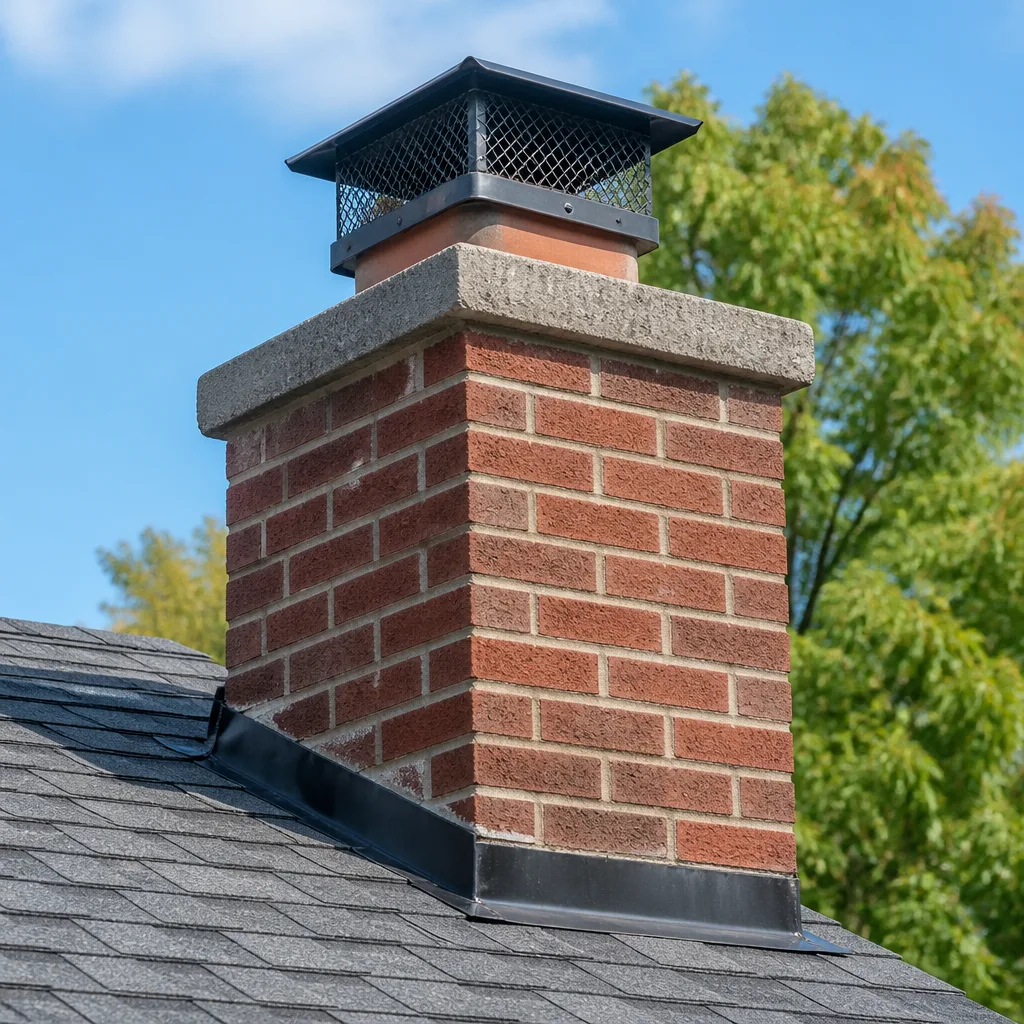
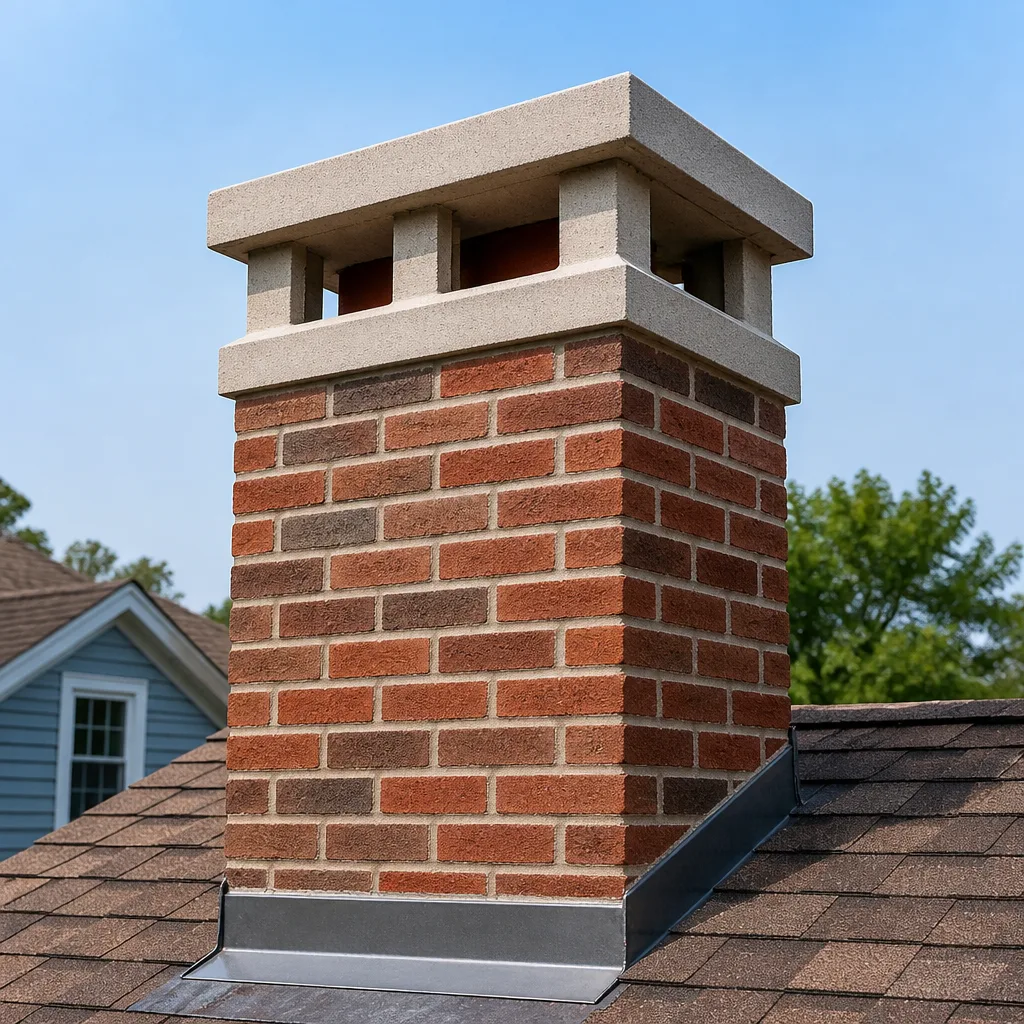
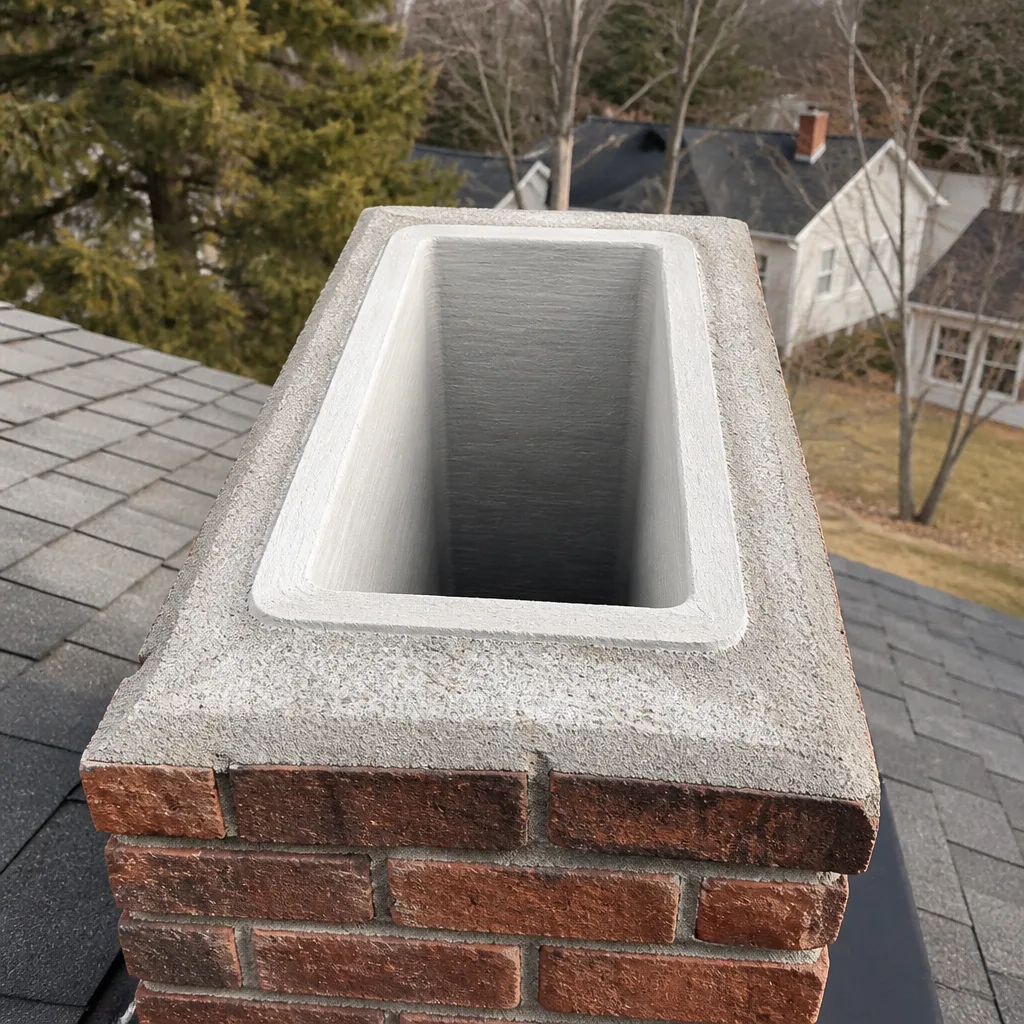
- Cap seating and crown condition. A chimney cap that’s loose, rusted, or improperly seated lets water in and lets animals and debris down the flue. The crown, the concrete top of the chimney, sheds water away from the masonry. A cracked crown is the start of water damage, and water is the leading driver of structural failure in chimneys. Neither shows up in a DIY cleaning, and both are cheap to address early and expensive to ignore.
This is why a proper Marysville Chimney Sweep visit is a cleaning plus an inspection, not a cleaning alone. We use professional-grade components from names the trade relies on, including Olympia Chimney caps and DuraFlex liner systems, so when the inspection finds something, the fix and the cleaning come from the same place. Nothing gets recommended without camera evidence you can see for yourself, and we’ll tell you plainly when a repair can safely wait. If you’ve been told your chimney needs attention and want an independent, honest read, call (877) 820-9607.
When DIY Maintenance Between Professional Sweeps Makes Sense
There’s a real role for the homeowner here. It’s just not the annual cleaning itself. Think of DIY as the light upkeep that keeps creosote from getting ahead between professional sweeps, not as a replacement for the sweep.
Tasks that are genuinely homeowner-appropriate
- Burning seasoned wood. Dry wood burns hotter and cleaner and produces far less creosote than green or wet wood. This is the single biggest lever a homeowner controls.
- Keeping the firebox clear. Removing ash and leftover debris, and keeping combustibles well back from the opening, is safe, simple upkeep.
- Visual checks from the room. Looking for obvious cracks in the firebox brick, loose damper hardware, or visible damage at the opening is reasonable. If you see something, call.
- Knowing the signs to watch for. Reduced draft, smoke rolling into the room, or a strong creosote smell are reasons to stop burning and book a sweep.
- Seasonal exterior glance from the ground. Binoculars or a phone zoom can show a missing cap, a visibly cracked crown, or a leaning flue from the yard. Report what you see; don’t attempt the fix on the roof.
Tasks that should stay with the professional
- Full flue sweeping, especially of Stage 2 or Stage 3 deposits.
- Any roof access to reach the top of the flue.
- Liner, smoke chamber, and cap inspection.
- Anything that turns into a repair.
If your flue is straight, sound, and only lightly soiled, and you’re comfortable with debris control and safe ladder work, a light maintenance brush between professional visits is within reach. For most Marysville homes burning regularly, keeping this split in mind keeps the chimney safer and makes the professional sweep a shorter, cleaner job. If you’re unsure which side of the line you’re on, one honest fireplace repair and inspection visit will tell you.
How to Decide in Four Steps
You can make this decision in a short, ordered pass rather than trying to weigh everything at once. Work through these in order; the first “no” is your answer.
- Is your flue straight and easily accessed? If it has offsets, tricky geometry, or only roof access, DIY cleaning isn’t the right call. Move to professional.
- What does the creosote look like? If you can see it, and it’s soft and flaky, you may be dealing with Stage 1. If it’s glazed, shiny, or heavy, stop: that’s Stage 2 or 3 and needs professional removal.
- Is the roof safe to access? Steep pitch, two stories, damp moss coverage, or frail shingles all mean no. Skip the roof and clean from below only if that’s genuinely safe and effective for your flue, otherwise book a sweep.
- Has the chimney been inspected recently? If it hasn’t, the cleaning and the inspection should happen together. That’s a professional visit, not a DIY project.
If all four steps point to “yes, straight flue, light soot, safe access, recently inspected,” light DIY maintenance between professional sweeps is reasonable. Anything else, and the decision is professional service. In our experience, most homeowners who work through these four steps land on the professional side for the annual cleaning itself. When you do, call (877) 820-9607 for a free estimate.
The Cost Question: What You’re Really Paying For
Homeowners weighing DIY against professional cleaning are really weighing out-of-pocket cost against what the sweep includes. A professional visit isn’t just a brush pass. It’s equipment, debris control, flue visibility, and inspection in one appointment. That’s why the value comparison is closer than the brush-kit price tag suggests.
What a professional visit delivers that a DIY attempt doesn’t:
- Cleaning that matches the creosote stage: rotary equipment that actually removes Stage 2 glaze, not brush work that smears it.
- Inspection included: a look at the liner, smoke chamber, cap, and crown, with findings you can see on camera.
- Debris containment: a clean room at the end, not a soot cleanup you spend the weekend on.
- Safe roof access: trained handling of pitch, height, and mossy shingles.
- A written record: useful for insurance, a real estate transaction, or simply knowing the state of your chimney before heating season.
The final price for any job is set by the written estimate, so nothing is open-ended. If the inspection turns up something, you’ll see the evidence and get a clear explanation of what it is, what it costs to address, and whether it can safely wait. No liners or masonry work get recommended on a hunch. To get a specific number for your chimney, call (877) 820-9607. Estimates are free, and we answer 24/7. Fast dispatch from 7am to 7pm, Sunday through Friday.
Common Mistakes to Avoid
- Brushing Stage 2 glaze and calling it clean. A brush doesn’t remove glazed creosote, and brushing it can drive residue deeper into the tile. If the deposit is shiny and hard, it’s beyond a retail kit.
- Climbing a mossy Marysville roof in damp weather. Moss on a wet shingle surface is where footing fails with no warning. Skip top-down work when the roof is slick, steep, or tall.
- Skipping the inspection because the flue looked clean. A flue can be spotless inside and still have a cracked liner or an unparged smoke chamber above your view. Cleaning and inspection belong together.
- Assuming a missing or loose cap is minor. A bad cap lets water, animals, and debris into the flue, and a cracked crown is where structural water damage begins. These are cheap to fix early and costly to ignore.
- Cleaning once and stopping. Creosote builds with every fire. How often a chimney needs sweeping depends on how much and how you burn, not on a single cleaning. Wood burned regularly rebuilds deposits faster than an occasional fire.
- Burning green or wet wood to “get through the season”. Wet wood produces more creosote, which pushes a flue toward the glazed stages faster. Seasoned wood keeps the deposit in the range a sweep can clear.
- Believing one deep cleaning fixes everything. Cleaning removes deposit; it doesn’t repair a damaged liner, a failing crown, or a rough smoke chamber. Those are structural repairs that a cleaning alone doesn’t touch.
See the difference
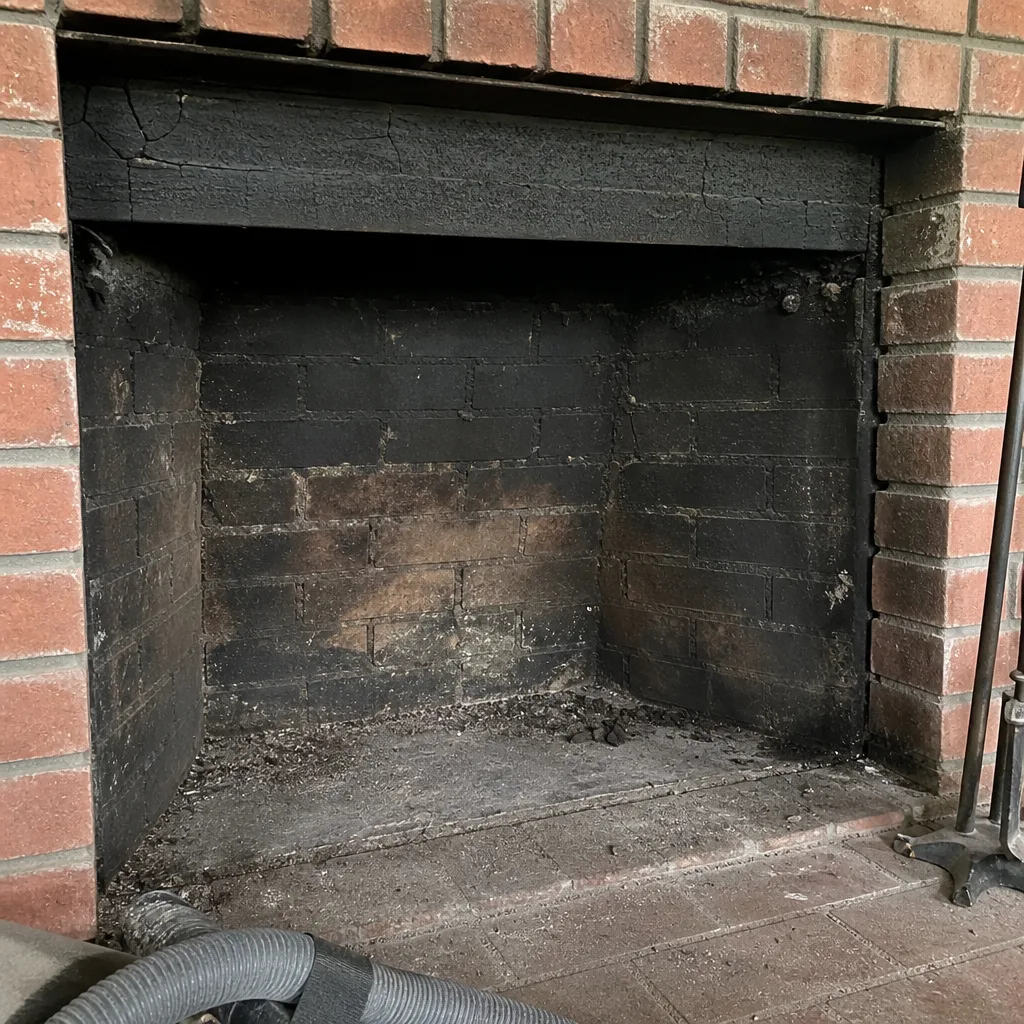 Before
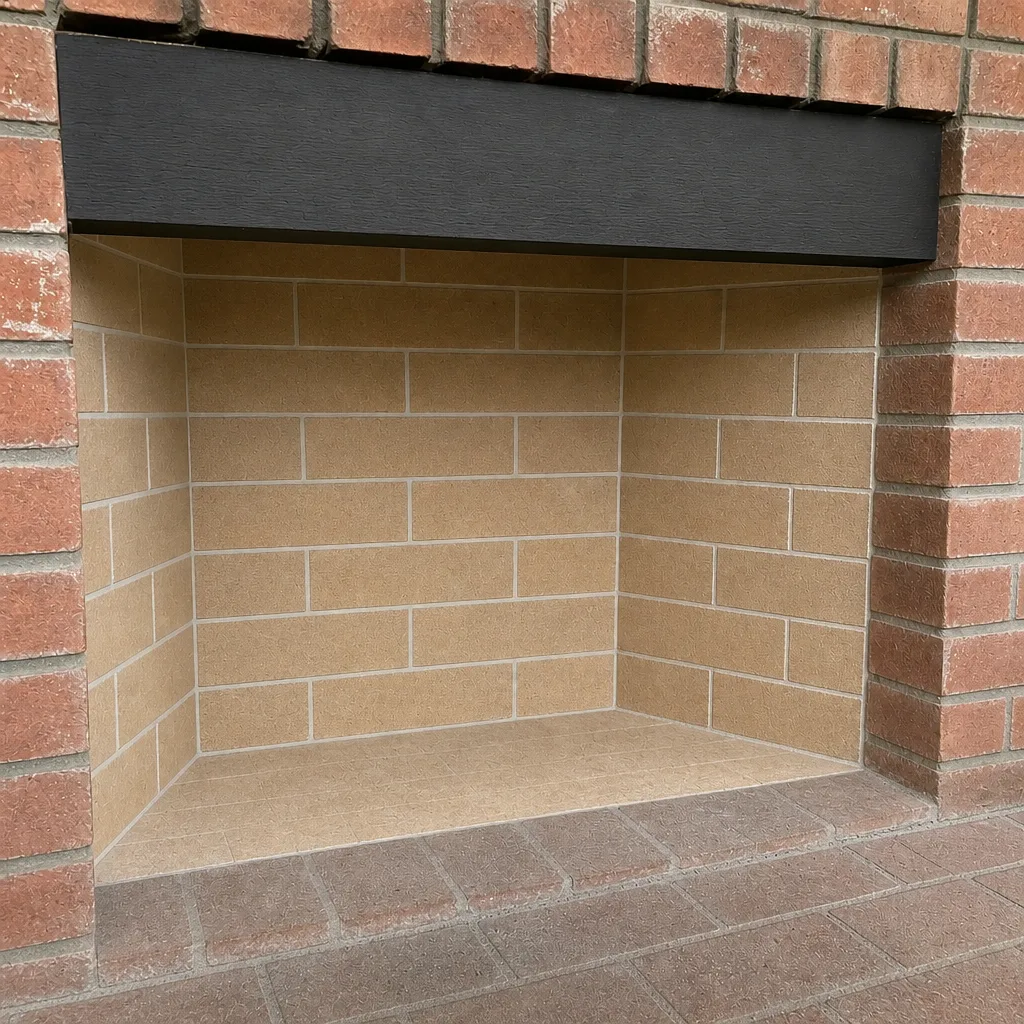 After
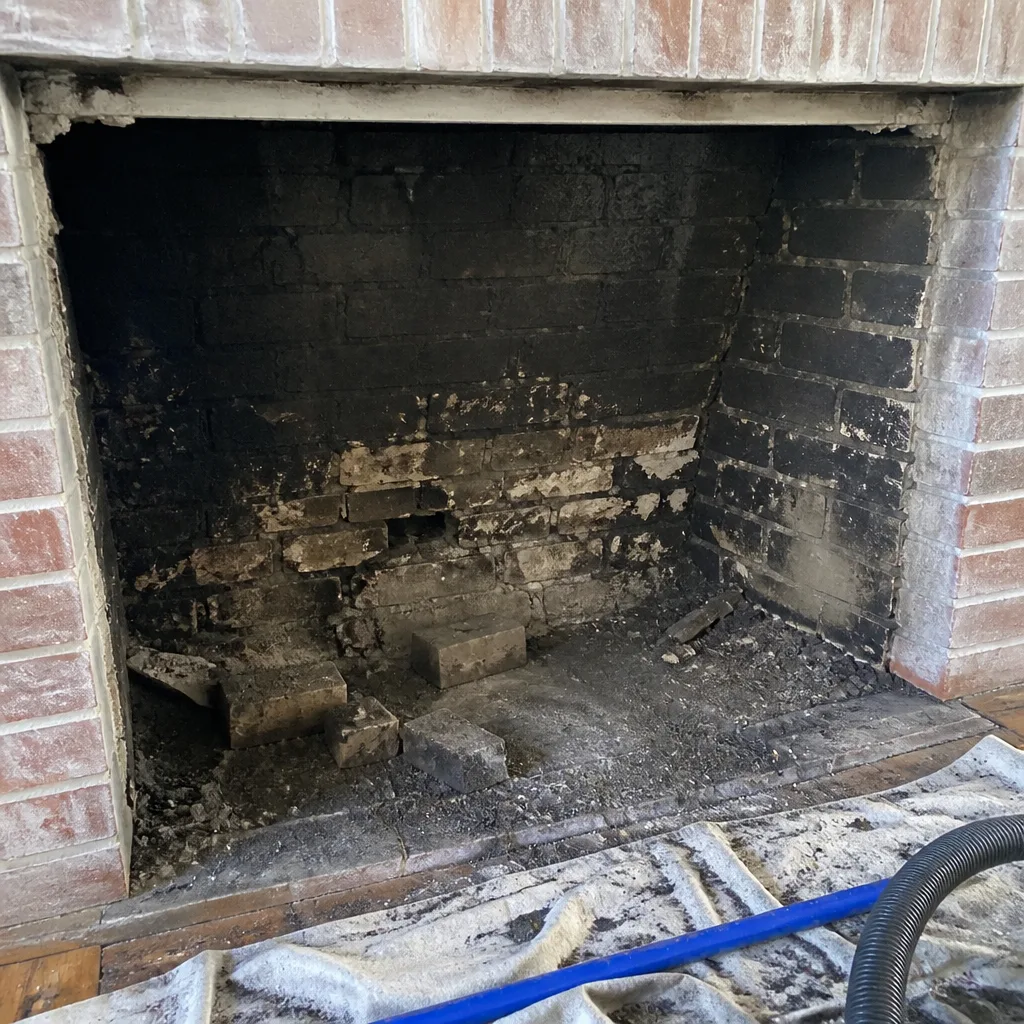 Before
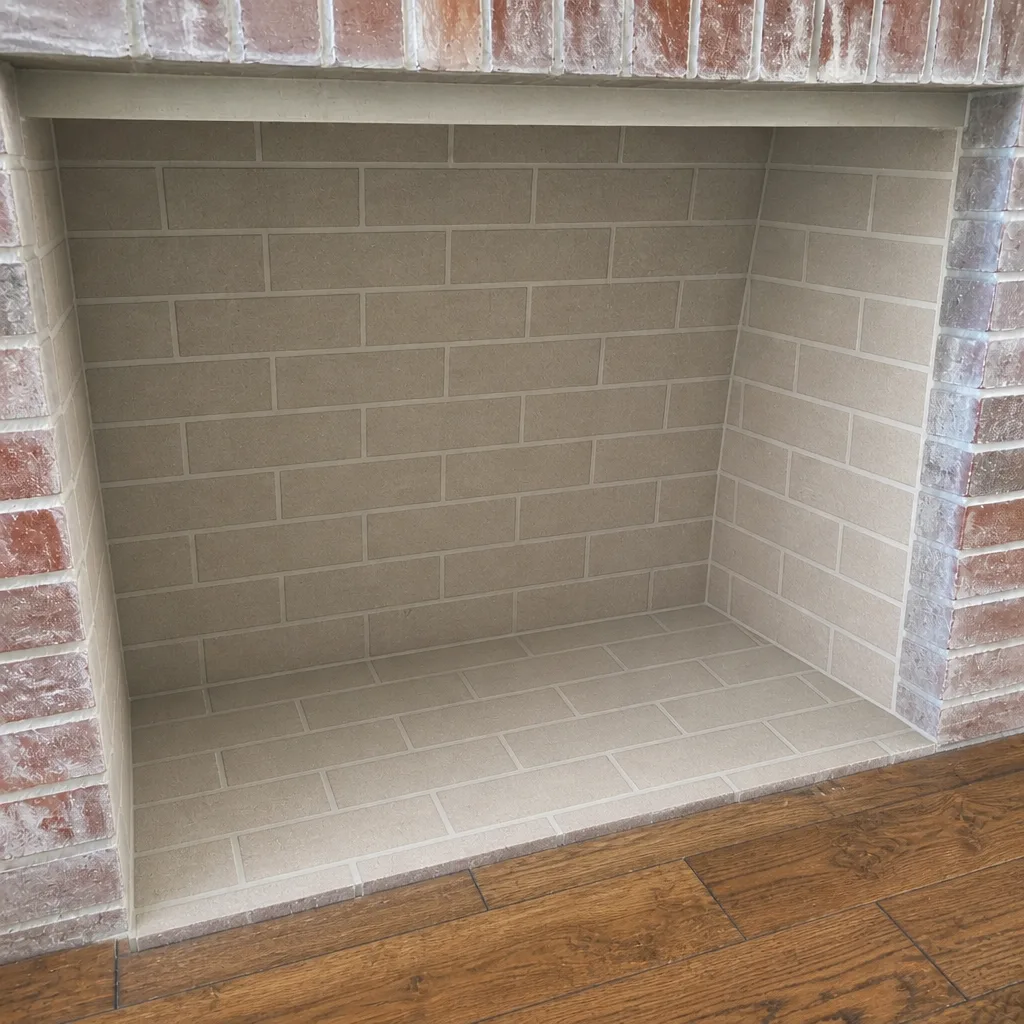 After
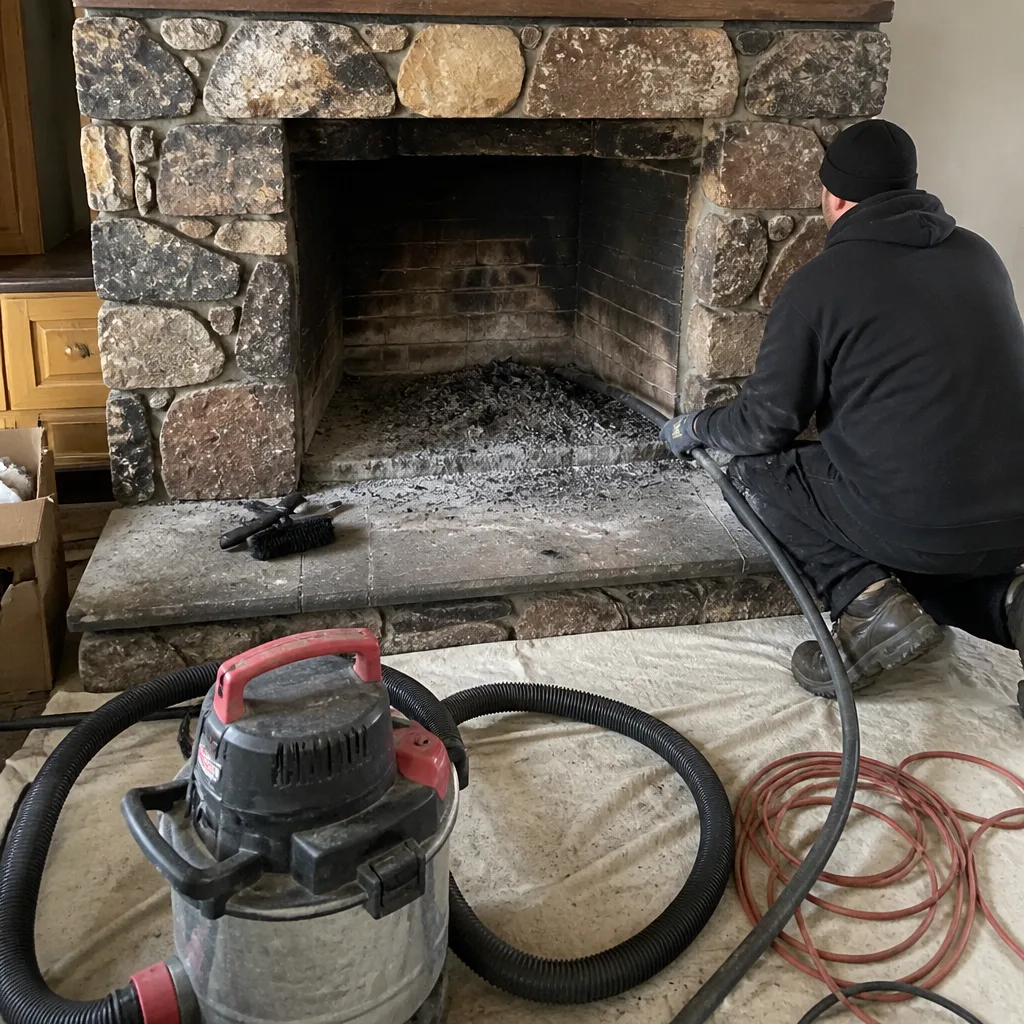 Before
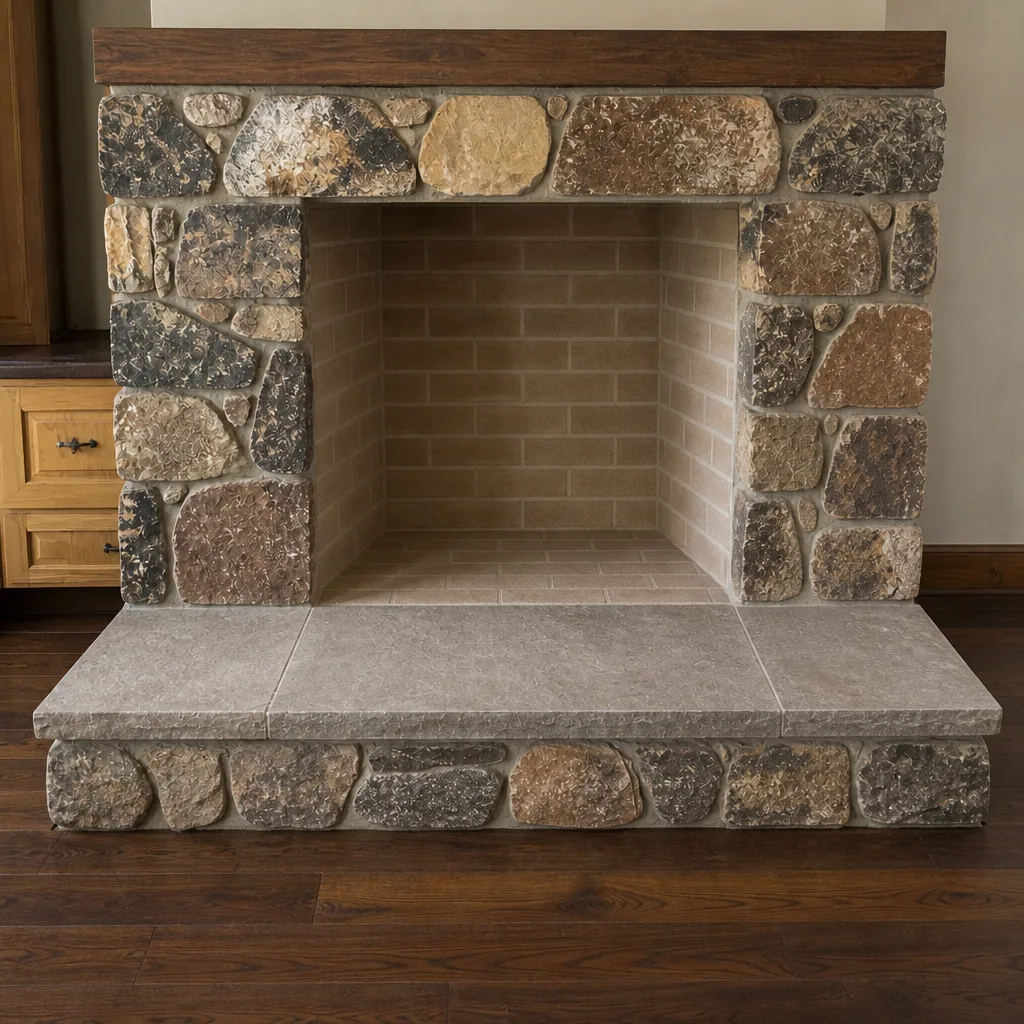 After
When to Call a Professional
Call a professional if any of these are true: the creosote looks glazed, shiny, or heavy; you can’t see the top of the flue; your roof is steep, tall, or moss-covered and damp; the chimney hasn’t been inspected recently; you notice reduced draft, smoke entering the room, or a strong creosote smell; or a previous owner or inspector flagged a liner, cap, or crown concern. Any one of these moves the job out of DIY territory and into a trained set of hands. If you’ve been told your chimney needs work and want an honest second read, we’ll show you what’s there with camera evidence. Marysville Chimney Sweep offers free estimates in Marysville. Call (877) 820-9607. We answer 24/7, with fast dispatch from 7am to 7pm, Sunday through Friday.
Frequently Asked Questions
It can be safe only for light Stage 1 creosote in a straight, easily accessed flue with a sound liner, and only if you’re competent with roof and ladder safety. In Marysville, damp roofs and moss coverage make roof access the main risk, so top-down DIY is risky on most local homes. For Stage 2 or Stage 3 buildup, a cracked liner, or an unparged smoke chamber, it isn’t safe and should be done by a professional. Call (877) 820-9607 for an exact quote, and estimates are free.
Stage 1 is soft, flaky, and sooty; Stage 2 is glazed, shiny, and hard; Stage 3 is a heavy, restrictive layer that forms a real fire hazard. You usually can’t judge the stage from a flashlight at the fireplace, because glaze and heavy deposits often sit higher in the flue or in the smoke chamber out of view. A camera inspection tells you definitively. If you’re not sure, stop burning and have it checked; call (877) 820-9607 for a free estimate.
No. A retail brush kit was built for light Stage 1 maintenance, and it doesn’t remove Stage 2 glaze. Brushing glazed creosote can smear it deeper into the flue tile rather than clearing it. Glazed deposits need rotary cleaning equipment and, in some cases, chemical treatment applied by a trained sweep. To confirm what’s in your flue, call (877) 820-9607 for an exact quote; estimates are free.
How often a chimney needs sweeping depends on how much and how you burn, not a fixed calendar. A frequently used wood-burning fireplace builds creosote faster than occasional use, and green or wet wood accelerates it. The useful rule is to have the flue inspected and swept before heating season and whenever the deposit is heavy enough that you’re unsure. When in doubt, a professional look settles it. Call (877) 820-9607 for a free estimate.
It depends on what the inspection finds. A cracked or deteriorated flue liner sometimes can be restored with ceramic resurfacing, which relines the interior without a full liner replacement; other cases call for a flexible liner system. Nothing should be recommended without camera evidence you can see for yourself, and we’ll tell you when a repair can wait. Call (877) 820-9607 and we’ll walk you through what’s actually in your flue; estimates are free.
Skipped cleaning lets creosote and debris accumulate, which restricts draft and raises chimney fire risk as deposits thicken toward the glazed stages. It also means structural problems, like a cracked liner, a failing crown, or a loose cap, go unnoticed and worsen. Water intrusion through a bad crown or cap is a leading cause of chimney damage, and catching it early keeps a small repair small. Call (877) 820-9607 to book a sweep and inspection; estimates are free.
The Bottom Line
DIY chimney cleaning isn’t automatically dangerous. It’s dangerous when it’s applied to the wrong chimney at the wrong stage of buildup, and that describes most situations where a homeowner considers doing it. The defensible DIY case is narrow: light Stage 1 creosote, a straight and sound flue, safe access, and a recent inspection. Stage 2 glaze, Stage 3 buildup, a cracked liner, a rough smoke chamber, or a steep and mossy Marysville roof all fall outside that case. Use DIY for the light upkeep between visits: seasoned wood, a clear firebox, and knowing the warning signs. Leave the cleaning, the roof, and the inspection to the trade.
If you’re ready for a professional sweep and inspection, call Marysville Chimney Sweep at (877) 820-9607 for a free estimate. We answer 24/7, with fast dispatch from 7am to 7pm, Sunday through Friday. From a routine sweep to a crown repair or liner resurfacing, one specialist handles it, and nothing gets recommended without evidence you can see.
Written by the team at Marysville Chimney Sweep.