
Last updated November 25, 2026
 Sweep & inspection
 Caps & crowns
 Flue relining
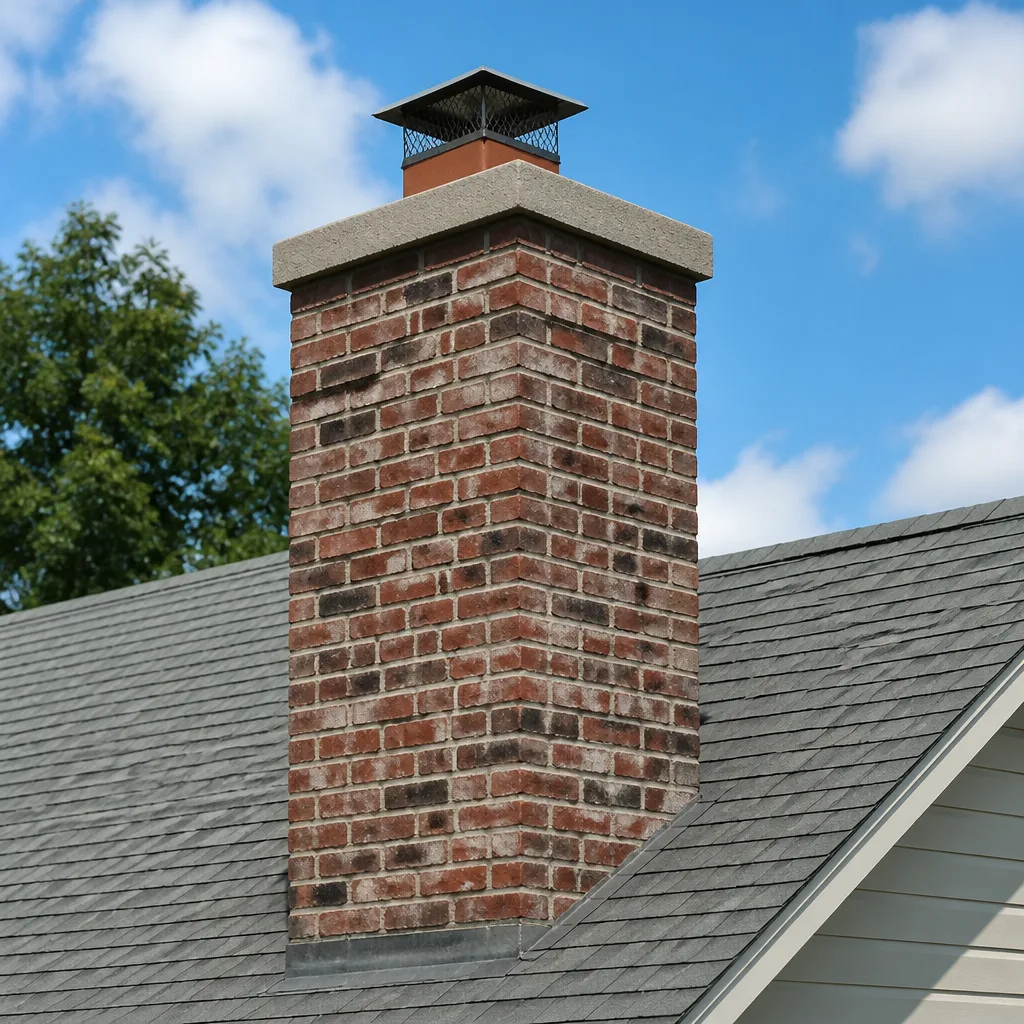 Masonry repair
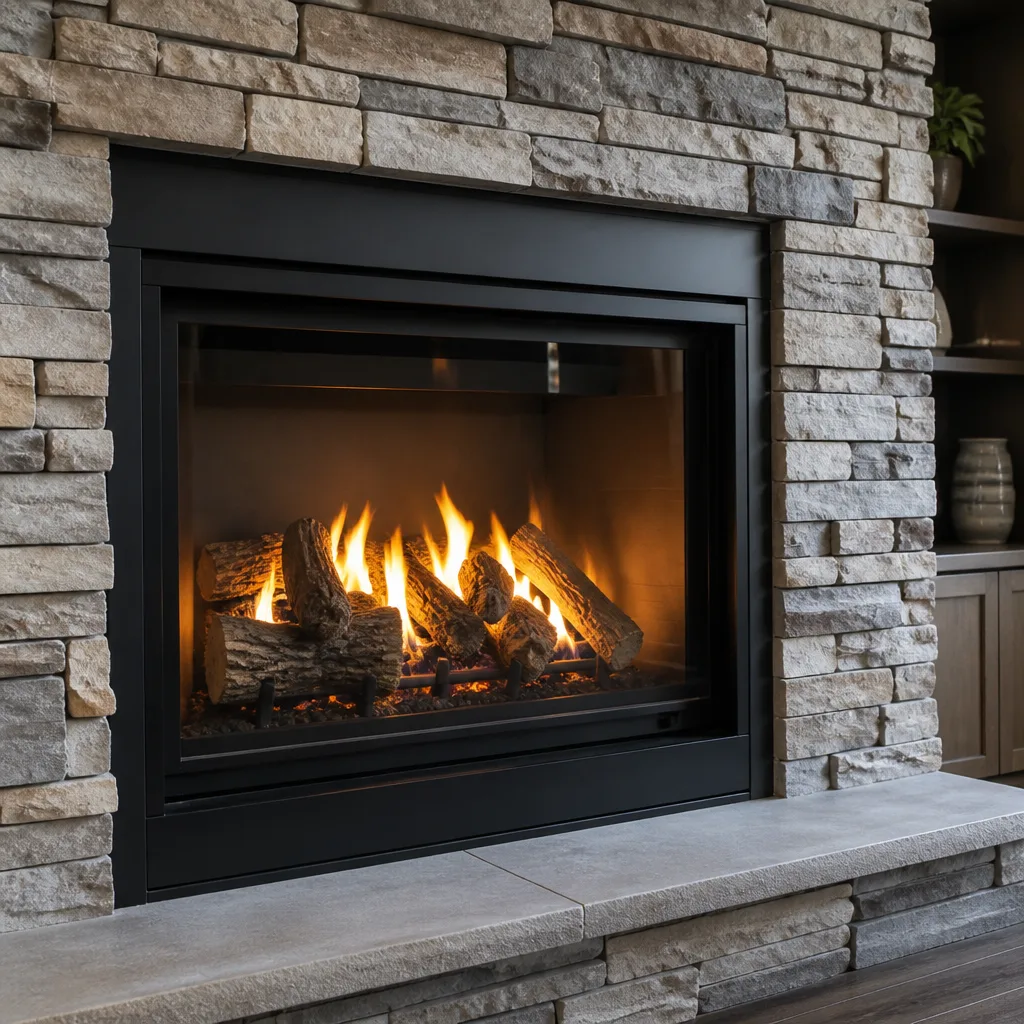 Gas fireplace service
Level 1 sweep and inspection to the NFPA 211 annual standard - flue, crown, cap, and flashing checked and photographed
Chimney sweep logs do not sweep chimneys. They loosen some creosote - which then falls where a brush and vacuum still have to collect it.
Choosing the Right Chimney Cleaning Brand: A Buyer’s Guide for Marysville
There’s no meaningful brand difference in chimney brushes. A wire brush is a wire brush, and the rotary whip one contractor spins down your flue is the same basic tool the next one brings. The brand decision that actually matters happens deeper in the system, at the point where a contractor decides what material goes onto or into your flue when the original tile has cracked, spalled, or pulled apart. Most homeowners never think to ask, and that silence is exactly how a repair gets specified by whoever answers the phone rather than by what your chimney needs. In this guide, we walk through the three liner approaches, the stainless alloys behind them, the cap and crown materials that hold up against Snohomish County weather, and how to use material specifications as a vetting tool when you hire in Marysville.
Quick Answer
Chimney cleaning itself has no meaningful “brand,” but the liner system, sealant, and cap a contractor installs do. For most Marysville wood burners, the right specification is either a HeatShield ceramic resurfacing (when the original clay tile is cracked but structurally intact) or a flexible stainless liner in the correct alloy for the fuel being burned. Ask any contractor you’re considering to name, in writing, the specific product, alloy, and manufacturer they intend to install. If they can’t, they haven’t thought past the price.
Styles & brands we work with
- Sweep & inspection
- Caps & crowns
- Flue relining
- Masonry repair
- Gas fireplace service
Table of Contents
- Why “Brand” Matters Less in Cleaning and More in Materials
- The Three Liner System Types and When Each Is Right
- 304 vs. 316 Stainless: Why Alloy Choice Matters in Marysville
- Cap and Crown Materials for a Wet Northwest Climate
- Creosote Treatment Products: Trade Brands vs. Retail Shelf
- How to Read a Written Chimney Quote Like a Contractor
- Using Material Specifications to Vet a Contractor
- When in the Marysville Heating Season to Book the Work
Why “Brand” Matters Less in Cleaning and More in Materials
The sweep itself is a mechanical process. A technician evaluates creosote level, chooses a brush or rotary tool appropriate to the flue’s condition, works the full run from the firebox to the top of the flue, and vacuums the workspace with a HEPA system. None of that changes based on what logo is stamped on the brush. What changes the durability and safety of your chimney is what gets installed when the inspection finds a problem.
That’s the point where brand becomes a real question. A cracked flue tile is not a cosmetic concern. It’s a path for heat, embers, and combustion gases to reach framing or the inside of your home. How that crack gets addressed depends entirely on the materials a contractor chooses:
- HeatShield ceramic resurfacing – a cement-based product applied to restore deteriorated clay tile without pulling the liner out.
- Flexible stainless liners – a continuous metal flue inserted inside the existing chimney, specified by alloy and by fuel type.
- Rigid stainless or clay tile relining – a more traditional rebuild for certain configurations.
- Caps and crowns – the top-of-chimney components that deflect water and animals.
In our experience, homeowners in Marysville hear the word “liner” and picture one product. In the trade, it’s a category with real variance in thickness, alloy, and joint construction. The homeowner who asks “what brand of liner are you installing?” gets an answer that separates a contractor who knows the trade from one who is quoting from a price sheet. If you want the sweep side handled properly regardless of the repair question, our chimney sweep page covers what a proper cleaning involves from the firebox to the cap.
The reason this matters in Marysville specifically is the fuel mix. A meaningful share of homes here burn wood as a primary or supplemental heat source, which produces more creosote and more thermal cycling on the flue than a gas-only household. The materials installed here need to handle that duty cycle, and skimping on the spec shows up as a premature failure in a few seasons rather than immediately.
The Three Liner System Types and When Each Is Right
There are three liner approaches a chimney contractor can specify, and the right one depends on the condition of the existing flue, the fuel being burned, and the geometry of the chimney. A contractor who can’t walk through this decision with you in plain language is a contractor guessing.
1. HeatShield Ceramic Resurfacing
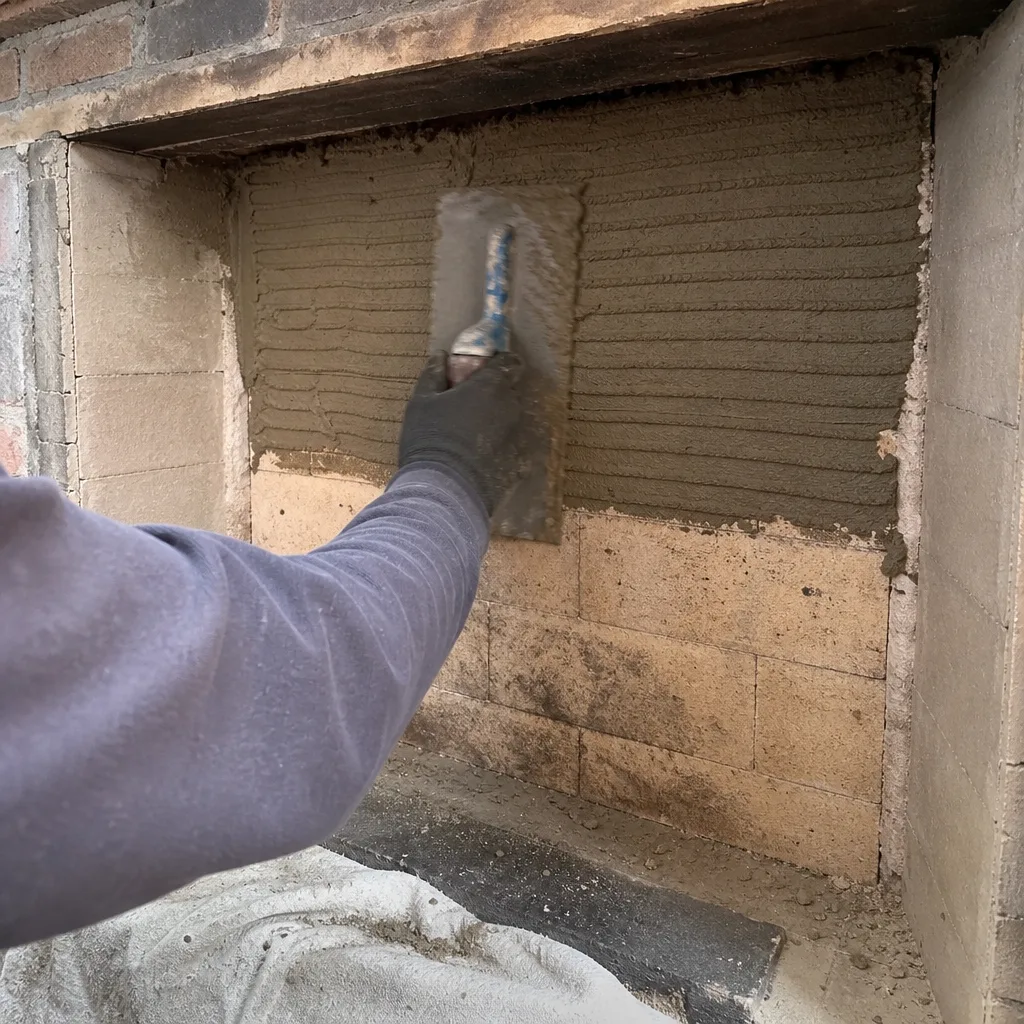
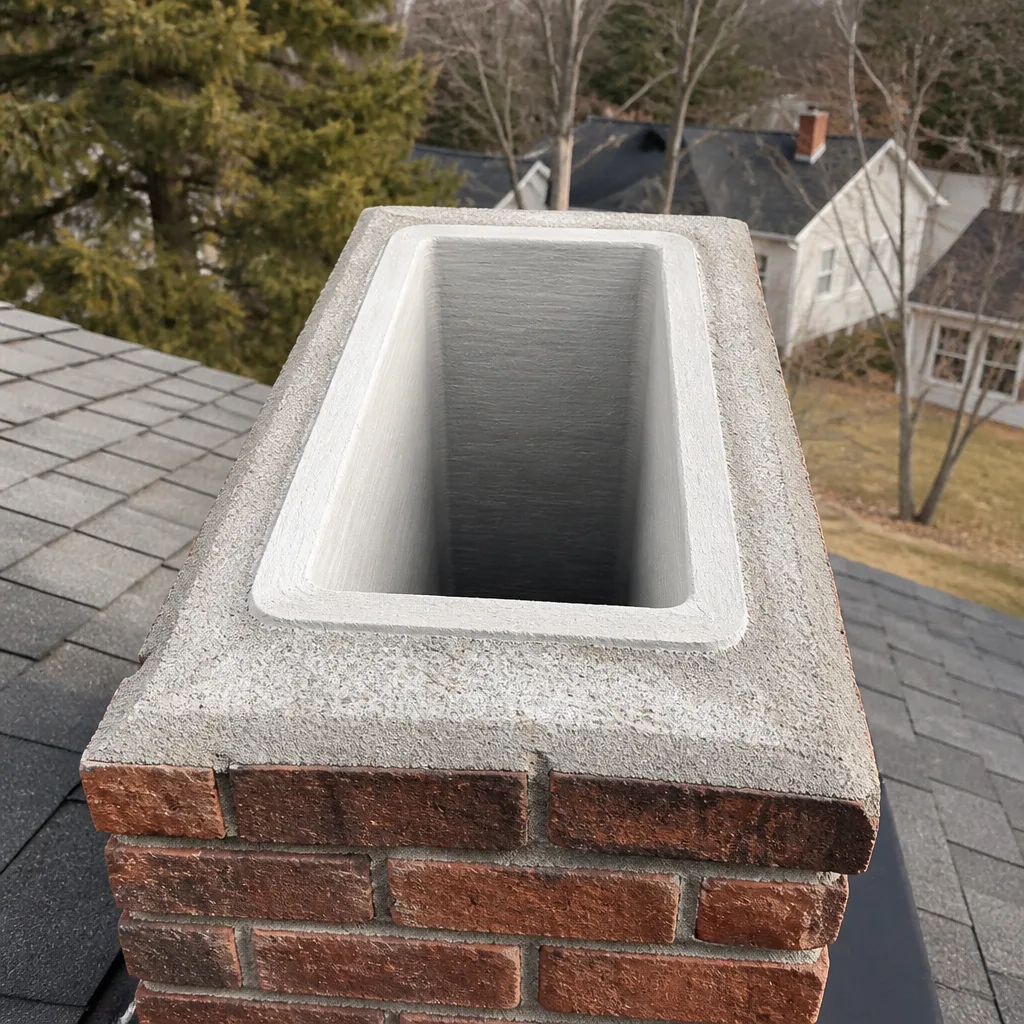
HeatShield is a resurfacing system for clay flue tiles. It’s applied as a cementitious product that fills and seals cracks, voids, and gaps in the original tile, then cures into a smooth, hard surface. It’s the right specification when the tile is cracked or spalled but still structurally sound, the flue is round or roughly round, and the goal is to restore an existing liner rather than replace it. The advantage is cost and disruption – no full reline, no demolition. Because this requires a technician trained and equipped on the product (it’s not a “brush it on” system), it’s one of the sharper distinctions between a specialist and a generalist in Marysville.
2. Flexible Stainless Alloy Liners
A flexible stainless liner is a continuous metal tube inserted down the flue. It’s the right specification when the existing clay tile is beyond resurfacing, when a new appliance needs a properly sized and sealed flue, or when the chimney geometry makes a continuous liner the only way to get a reliable run. The product is specified by:
- Diameter – matched to the appliance’s venting requirements, not just “close enough.”
- Alloy – 304 vs. 316 stainless, covered in the next section.
- Wall thickness – the trade standard is measured in fractions of an inch, and the difference between a lighter and heavier wall shows up after years of heat cycling.
- Joint construction – how the sections are sealed, not just whether they’re clamped.
3. Rigid Stainless or New Clay Tile
Rigid relining is used when a straight run makes a continuous, non-flexible liner viable, or when a full clay tile rebuild is the appropriate answer for a damaged chimney. This tends to be the specification for configurations where the chimney is being partly rebuilt anyway, or where a flexible liner can’t be routed cleanly. It’s a more invasive scope, and it’s the kind of decision that belongs in a written estimate with a reason attached.
If your inspection turns up damage beyond the flue – cracks in the firebox, a damaged damper, or a masonry issue at the smoke chamber – that’s a fireplace repair scope, and it needs to be priced as its own line, not bundled into a liner quote. Structural work on the crown or the mortar falls under chimney repair. A specialist who can scope all three in one inspection is a real advantage over chasing referrals.
304 vs. 316 Stainless: Why Alloy Choice Matters in Marysville
Two stainless alloys dominate flexible chimney liners: 304 and 316. The difference is molybdenum. Type 316 contains it; Type 304 does not. That single alloying element changes the liner’s resistance to chlorides and other corrosive byproducts, which is why 316 is the correct specification for many wood-burning and virtually all gas or oil appliance flues. For a Marysville wood burner, the choice depends on fuel, moisture, and how hard the flue will be worked.
Here’s the practical breakdown a quote should address:
| Condition | Typical Specification | Why |
|---|---|---|
| Wood-burning only, dry seasoned fuel, well-vented flue | 304 stainless, correctly sized and sealed | Cost-effective; adequate for the duty cycle |
| Wood-burning with high-usage or mixed fuel history | 316 stainless | Better chloride resistance; longer service life |
| Gas or oil appliance | 316 stainless | Condensate from these fuels is more aggressive; 304 will pit |
| Flue known to have been used with unseasoned wood or long idle periods | 316 stainless, inspected before install | Existing corrosive residue shortens any liner’s life |
Marysville’s climate adds a wrinkle: high humidity in the shoulder seasons and fall means flues spend longer in a damp, idle state between burns, and moisture plus creosote is the combination that corrodes metal from the inside. A 304 liner that would last in a dry climate can corrode faster in a wet one, which is why a contractor here should be able to articulate the reasoning rather than default to whichever alloy is on the truck. Our technicians have up to 12 years of experience, and the alloy conversation is one of the most common points where a homeowner realizes the previous contractor never addressed it.
Ask the contractor to specify on the written quote: alloy grade, liner diameter, wall thickness, the manufacturer (DuraFlex is one professional-grade name the trade relies on), and whether the liner is insulated. If any of those five items is missing, the quote isn’t finished, regardless of the total. For a look at how we put these pieces together across the full chimney system, the Marysville Chimney Sweep overview walks through the five service categories we handle.
Cap and Crown Materials for a Wet Northwest Climate
Water is a chimney’s worst enemy. In Snohomish County, that enemy shows up as months of rain, freeze-thaw cycles in winter, and gutters of moss that signal how much moisture the exterior of a home is absorbing. The cap and the crown are the components that decide whether that water gets in. They’re not accessories; they’re the first line of defense for the entire chimney structure.
Two materials dominate caps, and they behave very differently here:
Cast Aluminum Caps
Cast aluminum caps are lighter and less expensive. They handle typical rain fine. Where they struggle is in long-term durability against a wet climate: aluminum is more susceptible to pitting and to mechanical damage from debris, and it’s less rigid under snow load. For a Marysville home with significant tree cover or a chimney that gets hit by falling limbs, an aluminum cap is a shorter-lived choice.
Stainless Steel Caps
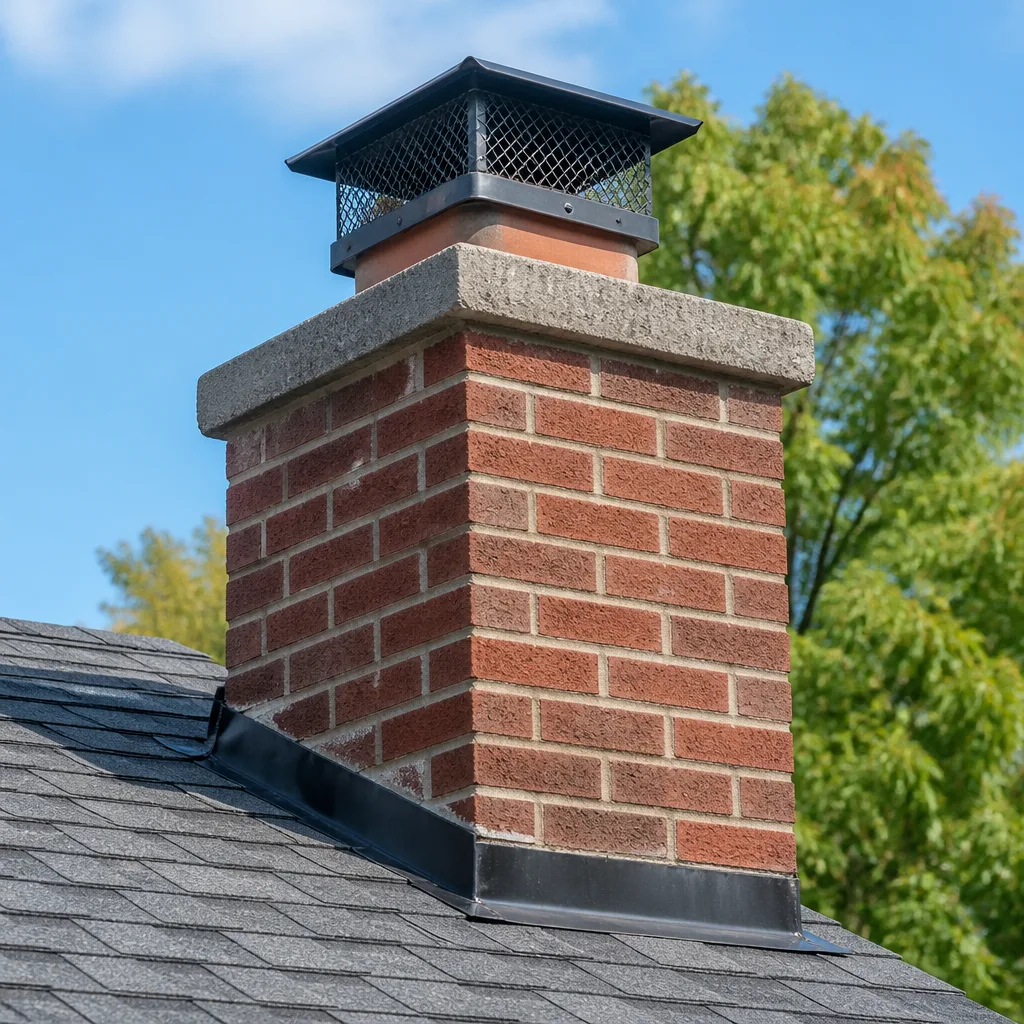
Stainless steel caps carry a higher upfront cost but hold up better to the combination of moisture, wind-driven rain, and freeze-thaw that defines a Marysville winter. The stainless alloy resists corrosion, and the material is more rigid under snow and debris. Multi-flue stainless caps, in particular, are the specification a specialist tends to recommend when the goal is one installation that lasts. Gelco and Olympia Chimney are two cap manufacturers we work with because the trade trusts their product lines.
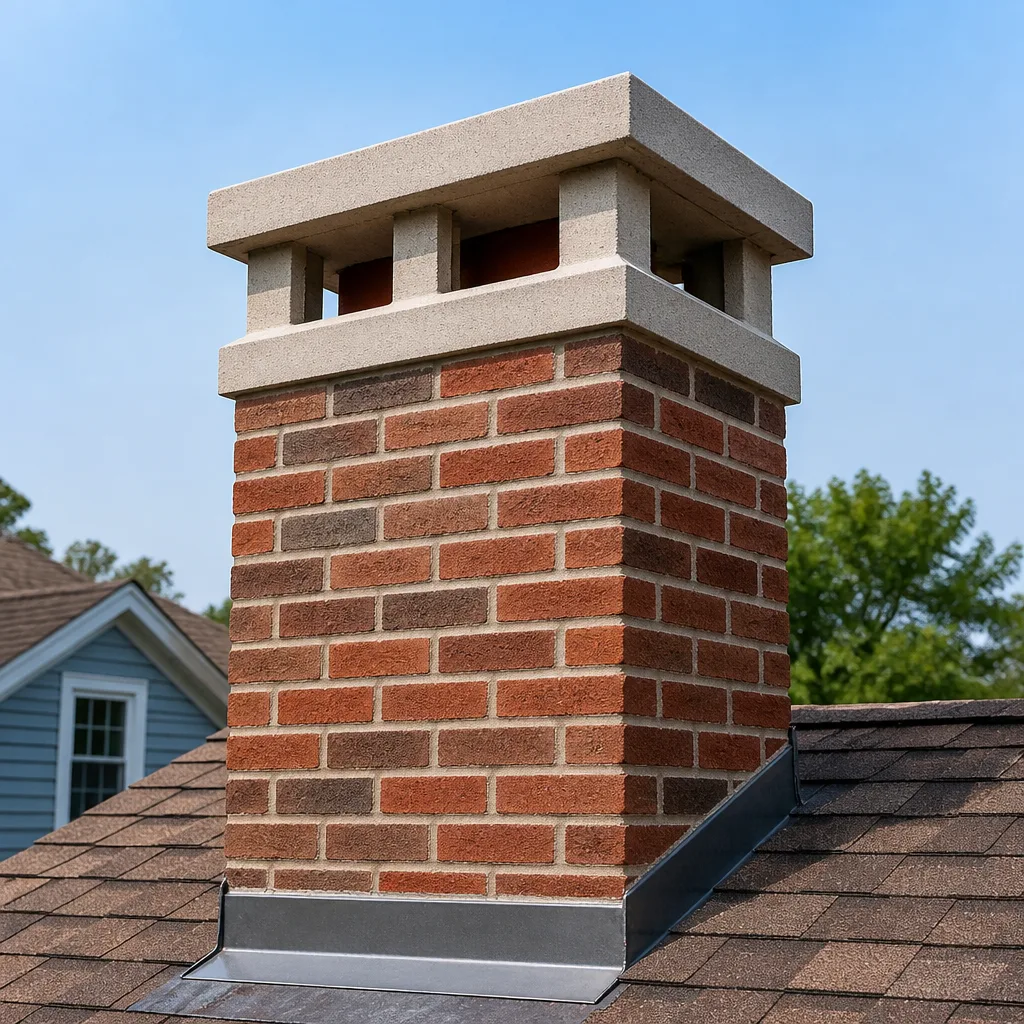
The crown is a separate decision. The crown is the concrete or masonry cap at the top of the chimney that sheds water away from the flue opening. A cracked crown is a common reason homeowners find water stains in the firebox in fall. Crown repair or rebuild is a masonry scope, and it’s the single repair most likely to be deferred and most likely to cause a much larger problem when it is. A properly installed cap and a sound crown together are what keep the chimney’s structure dry enough to last.
When a quote offers a cap, ask what material and what manufacturer. “A cap is a cap” is not an answer that holds up in a wet climate. Cap and crown work is often the point where a homeowner realizes the sweep they called can’t finish the job and refers them out. We handle cap and crown installation in-house because it’s part of the same system the sweep just evaluated.
Creosote Treatment Products: Trade Brands vs. Retail Shelf
Creosote is the residue that builds in a flue as wood smoke cools. It comes in three general stages: a soft, flaky soot that a brush removes easily; a hard, glazed deposit that a brush can’t touch without chemical help; and the glazed stage that is the fire risk worth acting on. The product you buy at a hardware store to “treat” creosote and the chemical removers a trade professional uses are not the same category of product, and understanding the difference helps you avoid wasting money.
What retail shelf products can do: they can loosen soft creosote and make a subsequent sweep more effective. They’re not a substitute for mechanical cleaning, and they don’t remove glazed deposits. What trade-grade chemical removers do: they’re formulated to soften hard, glazed creosote so a technician can then sweep it out. The chemistry is stronger, the application method is specific, and the process involves evaluating the flue’s condition before and after. That evaluation step is why a contractor with the right products can resolve a glazed flue without a full reline; a homeowner with a retail product generally cannot.
The practical takeaways for a Marysville homeowner:
- Do not treat a known glazed flue with a retail product and assume it’s handled. The deposit is a fire risk until it’s removed and verified.
- Ask the contractor what chemical product they use on glazed flues and whether they follow up with a sweep and a second inspection.
- Check whether the contractor offers both sweeping and treatment in one scheduled visit. Two separate trips cost more and leave the flue in an unstable state between.
- Know that after any chemical treatment, the flue is inspected again. The result matters, not just the process.
Creosote isn’t a cosmetic nuisance. It’s the fuel for a chimney fire, and a glazed deposit is the condition that makes one possible. That’s a safety reason to take the treatment seriously, but it’s not a reason to panic – it’s a reason to ask what specific products are being used and what the follow-up verification looks like. Safety here is a professional’s job, not a homeowner’s weekend project.
How to Read a Written Chimney Quote Like a Contractor
A chimney quote is not a price. It’s a scope document, and the difference between two quotes that look similar in total can be enormous in what’s actually being installed. Here’s how a specialist reads one, and how you can read one the same way.
- Find the diagnostic basis. A quote without a camera inspection or a documented reason for the recommendation is a quote based on a guess. If the contractor hasn’t been inside the flue with a camera, the number is not meaningful.
- Find the product names. The quote should name the liner manufacturer and the alloy, the cap material and manufacturer, the crown material, and the sealant or chemical product. Brand names like DuraFlex, HeatShield, Gelco, Olympia Chimney, Famco, and Copperfield are the ones the trade actually relies on.
- Find the scope line items. Sweeping, inspection, liner install, cap install, crown repair, and any masonry work are separate lines with separate costs. A single bundled number hides what’s actually being done.
- Find the written estimate. The written estimate is what sets the final price. Verbal estimates are conversation; the written document is the price you’re consenting to.
- Find the follow-up. A liner or cap install is verified after installation – the contractor should be able to describe what that verification looks like.
If you read a quote and can’t identify what material is going where, that’s the moment to ask. A contractor comfortable with the trade will answer in plain language, name the products, and explain the reasoning behind the recommendation. A contractor who deflects or gets vague is telling you something too. The bottom line on cost: estimates are free, the price is set per job by the written estimate, and there’s no reason to sign a scope you can’t read. If you’re already at the point of a repair quote, the chimney repair page explains what a repair scope typically includes.
Using Material Specifications to Vet a Contractor
The fastest way to separate a specialist from a generalist is not to ask about credentials, years, or reviews. It’s to ask what they install and why. A contractor who has genuinely thought about chimney work will answer in specifics; a contractor who hasn’t will answer in price and platitudes. Here are the questions, in order, that do the work:
- “What alloy and wall thickness is the liner you’d install?” A specialist answers 304 or 316 with a reason tied to your fuel and usage. A generalist answers “stainless.”
- “Do you have HeatShield capability, and when would you use it over a full reline?” A specialist can explain that resurfacing is a cost-saving alternative that some jobs qualify for and some don’t. A sweep-only contractor either can’t offer it or doesn’t know the criteria.
- “What material is the cap, and who makes it?” Stainless vs. aluminum and a named manufacturer is the right answer in a wet climate.
- “Is the crown inspected, and is repair priced separately?” A contractor who doesn’t address the crown has skipped the component most likely to be causing water damage.
- “Can I see the camera footage before committing?” A specialist shows it and takes time on it. A contractor who won’t do this is asking for trust the trade doesn’t get.
- “What chemical product do you use for glazed creosote, and how do you verify it worked?” Trade-grade products and a follow-up inspection are the right answer; a retail product and no follow-up is the wrong one.
If those six questions are answered with specifics, you’ve found a contractor who operates at the level of material. If they aren’t, keep looking. The same vetting applies to any of the work you’d hire out under one roof, which is a point worth making to a contractor who asks whether they’ll need to refer you for the repair. We name what we install – no mystery materials, no generic parts – because that’s the part of the trade that’s meaningful to a homeowner in Marysville.
When in the Marysville Heating Season to Book the Work
The best time to book a sweep in Marysville is before burning season, not during it. Late summer and early fall are when the flue is idle, the weather is still workable, and a repair scope (if one is needed) can be completed before the first sustained cold snaps. Once the fireplace is in regular use from late fall through early spring, scheduling gets tighter and any repair discovered during the sweep becomes an interruption to the household’s heat.
The rhythm that works well here:
- Late summer to early fall: Book the annual sweep and inspection. The flue is idle, so a discovered repair gets addressed before it becomes urgent.
- Before the first sustained cold: Complete any liner, cap, or crown work. Rain is coming in steadily by mid-fall, and a crown repair deferred into winter is a crown repair done in worse conditions.
- Mid-winter: If a problem shows up (smoke in the room, water in the firebox, a broken cap from storm debris), book an inspection promptly. The seasonal urgency is real, and it’s better answered in a scheduled visit than a scramble.
- Early spring: A post-season inspection catches what winter did to the cap, crown, and masonry before warm weather drives any further damage.
A chimney sweep is a technician’s job, not a homeowner’s DIY project, particularly once the flue shows any sign of glazed creosote or the cap or crown is damaged. The safety caveat matters here: high flue temperatures, blocked or compromised venting, and carbon monoxide exposure are all real hazards when a chimney is compromised, and they’re not hazards a homeowner should be diagnosing from the ground. A trained professional checks the flue from the firebox to the top of the chimney with a camera and reports what’s actually there. If you’re not sure whether you’re due for a sweep, the chimney sweep page covers the signals.
Common Mistakes to Avoid
- Asking about the brush instead of the liner. The brush doesn’t change; the liner does. Ask what the contractor will install, not what they’ll clean with.
- Accepting a quote with no material names. “Stainless liner” is a category, not a specification. A quote should name the alloy, diameter, and manufacturer.
- Choosing 304 for a gas or oil appliance. The condensate from gas and oil is more aggressive than wood, and a 304 liner in that service will pit sooner than the household expects.
- Skipping the crown because the cap looked fine. In a Snohomish County autumn, a crack in the crown is the most common cause of water in the firebox, and a cap above it doesn’t help if the crown is the failure point.
- Treating glazed creosote with a retail product and calling it handled. Retail products work on soft creosote. Glazed deposits require a trade chemical and a follow-up sweep, verified by inspection.
- Booking the sweep in the middle of burning season. Late summer and early fall are when a discovered repair can be completed before the flue is in daily use.
- Accepting a referral for a repair the sweep can’t finish. A specialist who handles the sweep, inspection, liner, and cap in one scope avoids handing you off to a separate contractor for the work that actually protects the home.
See the difference
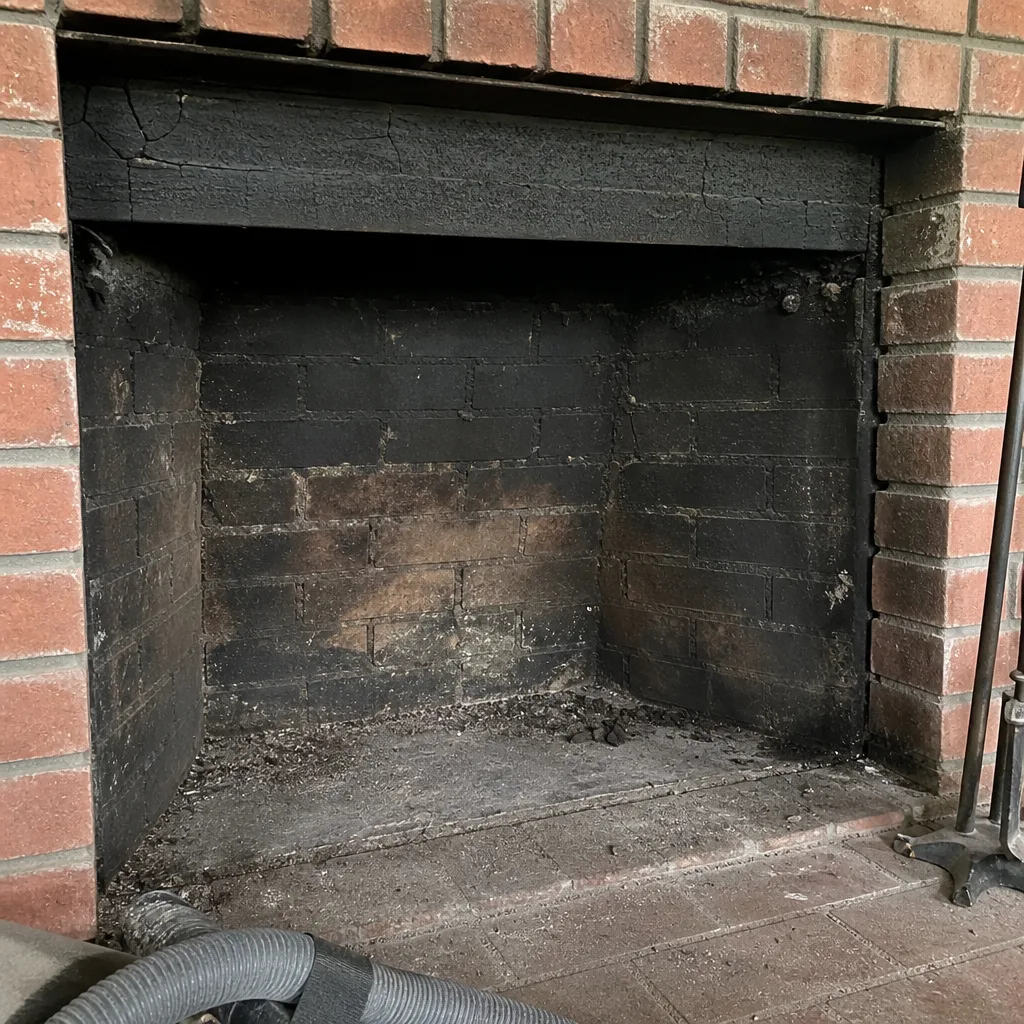 Before
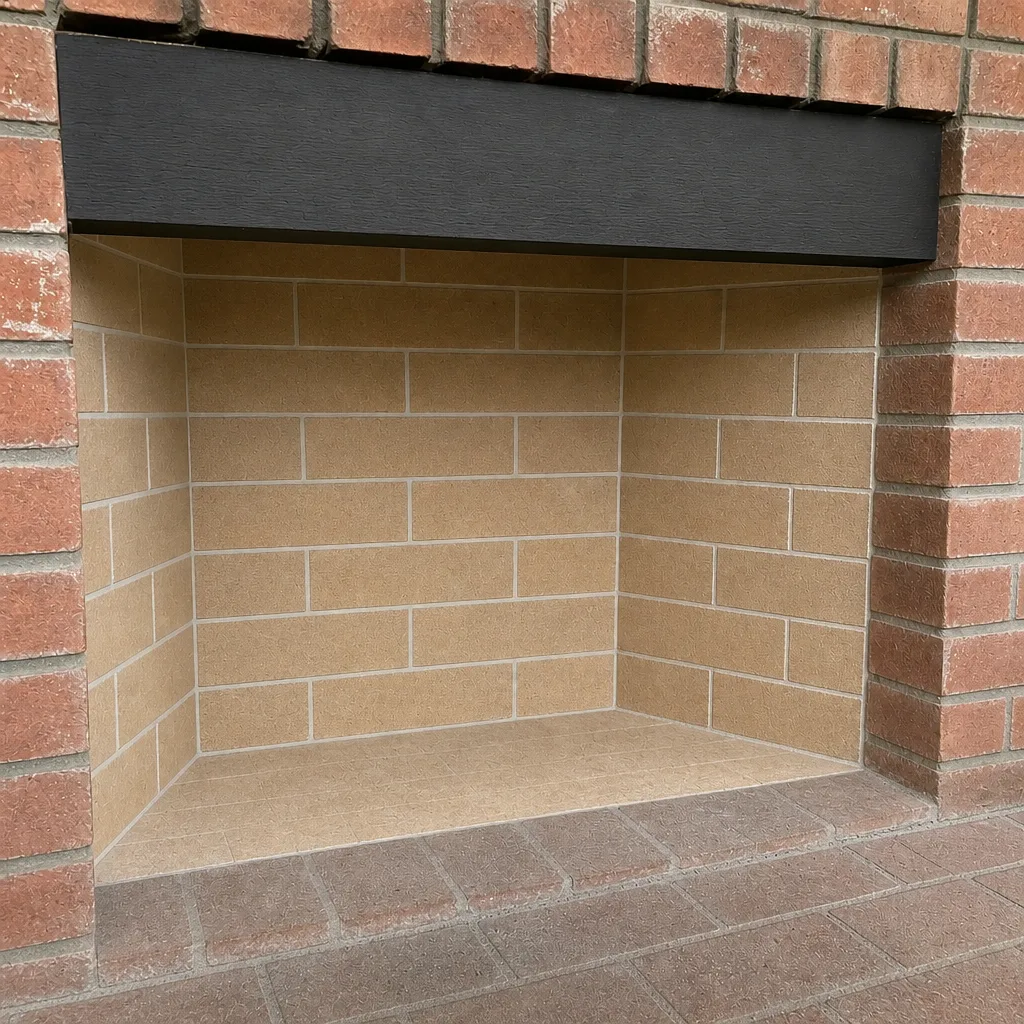 After
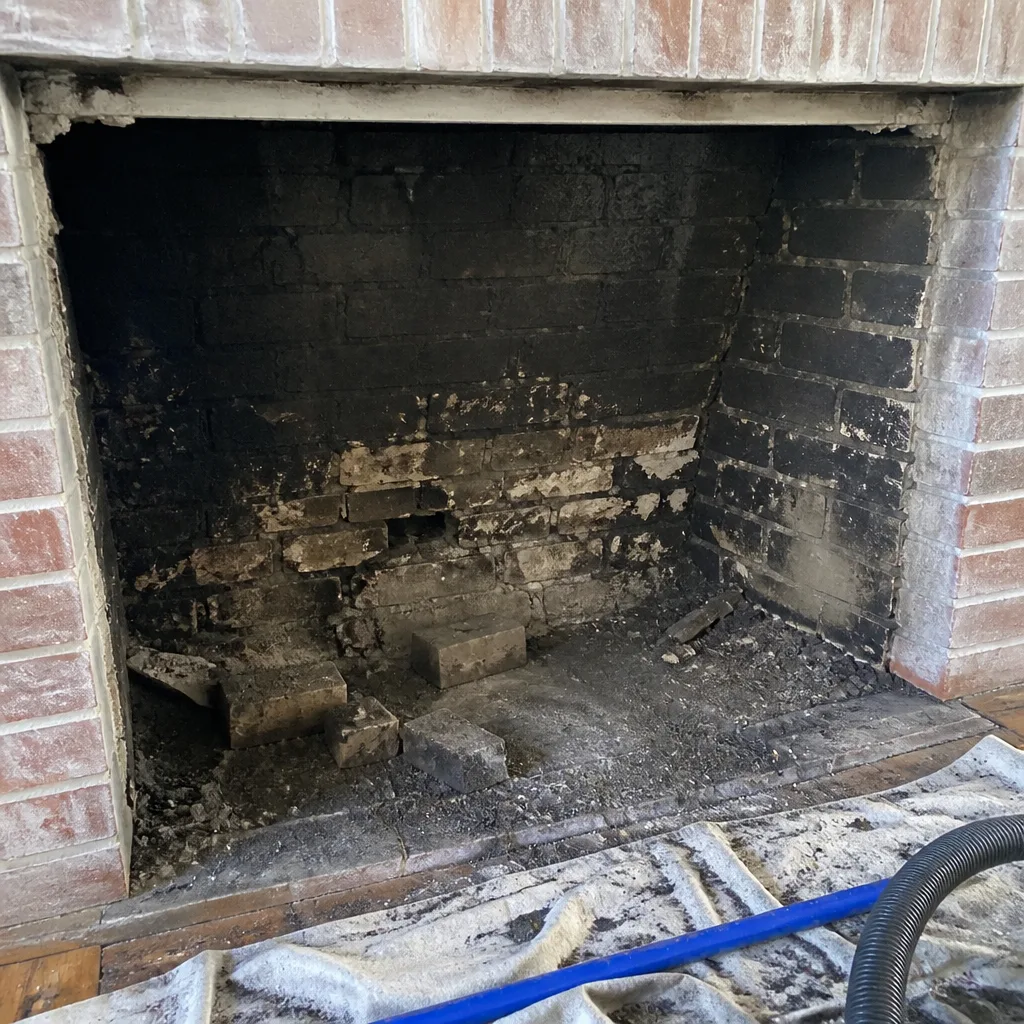 Before
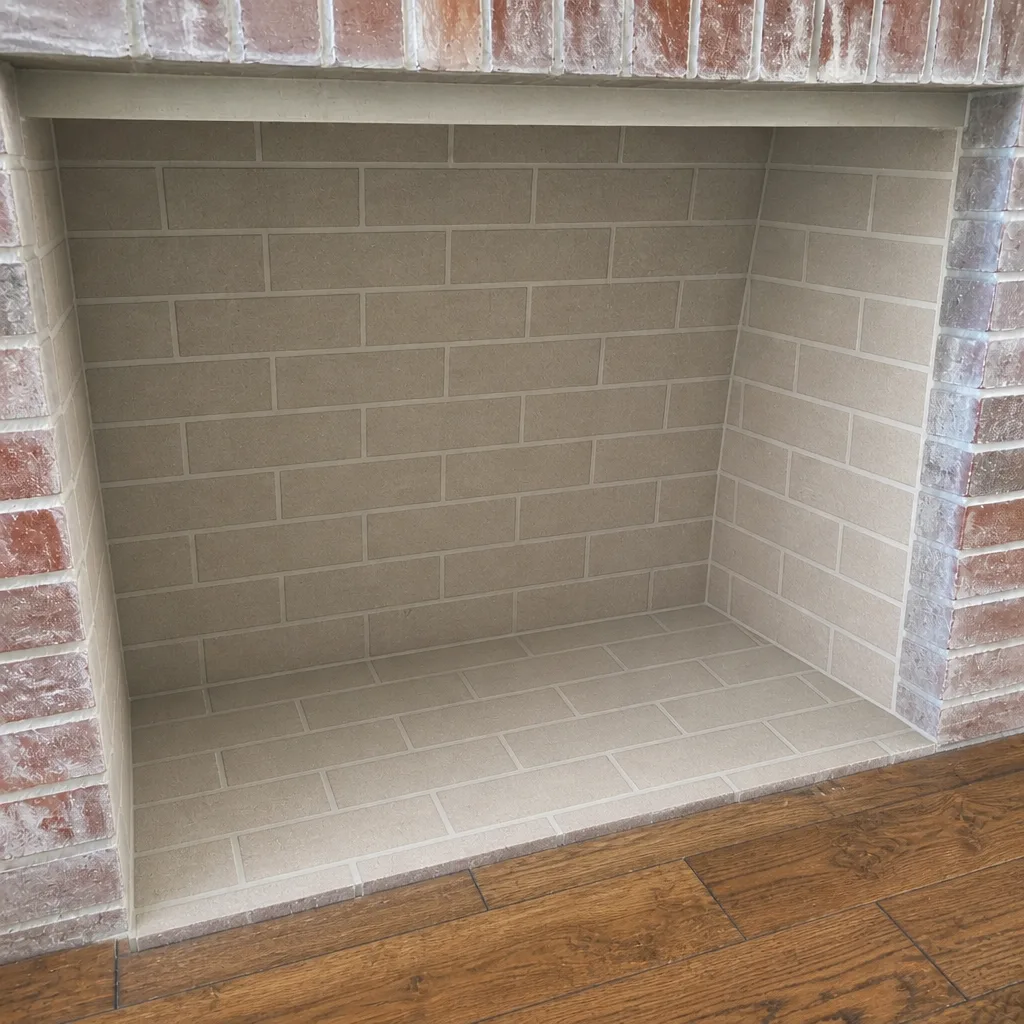 After
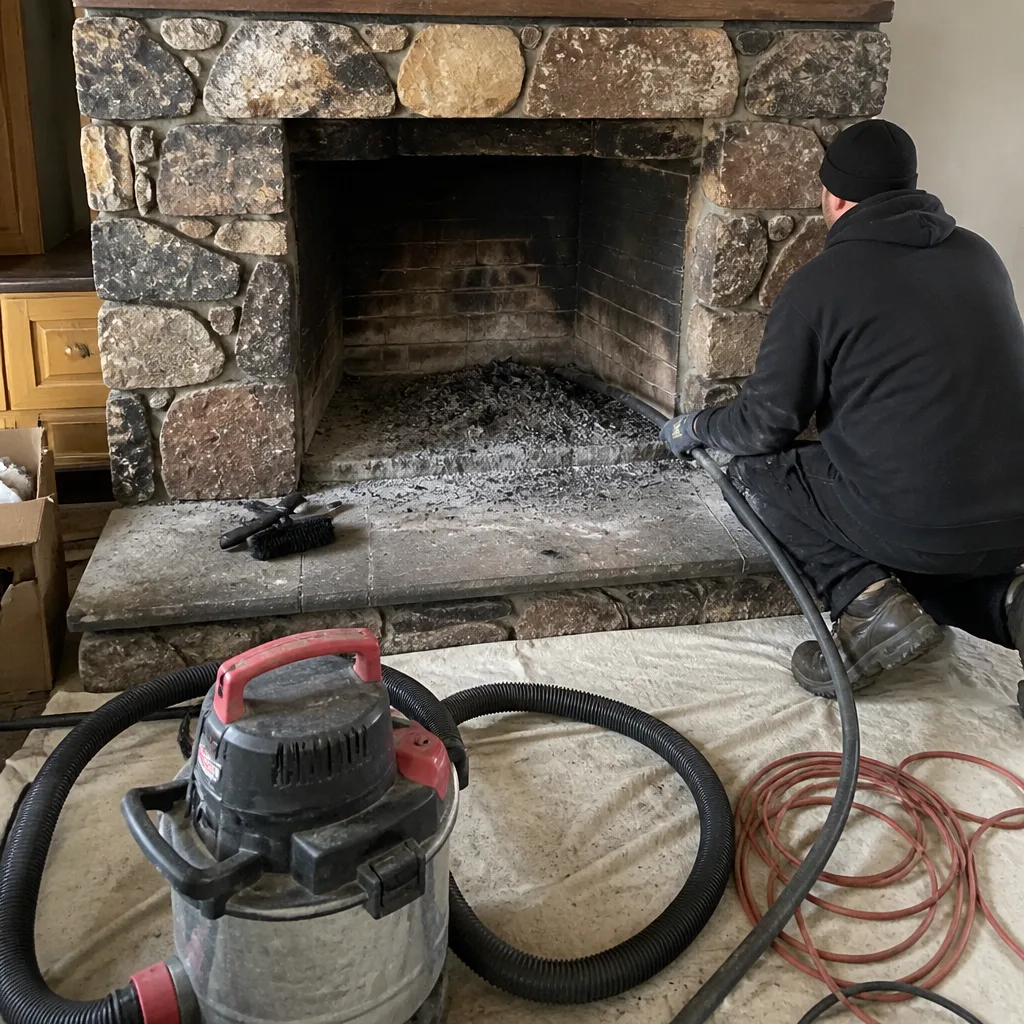 Before
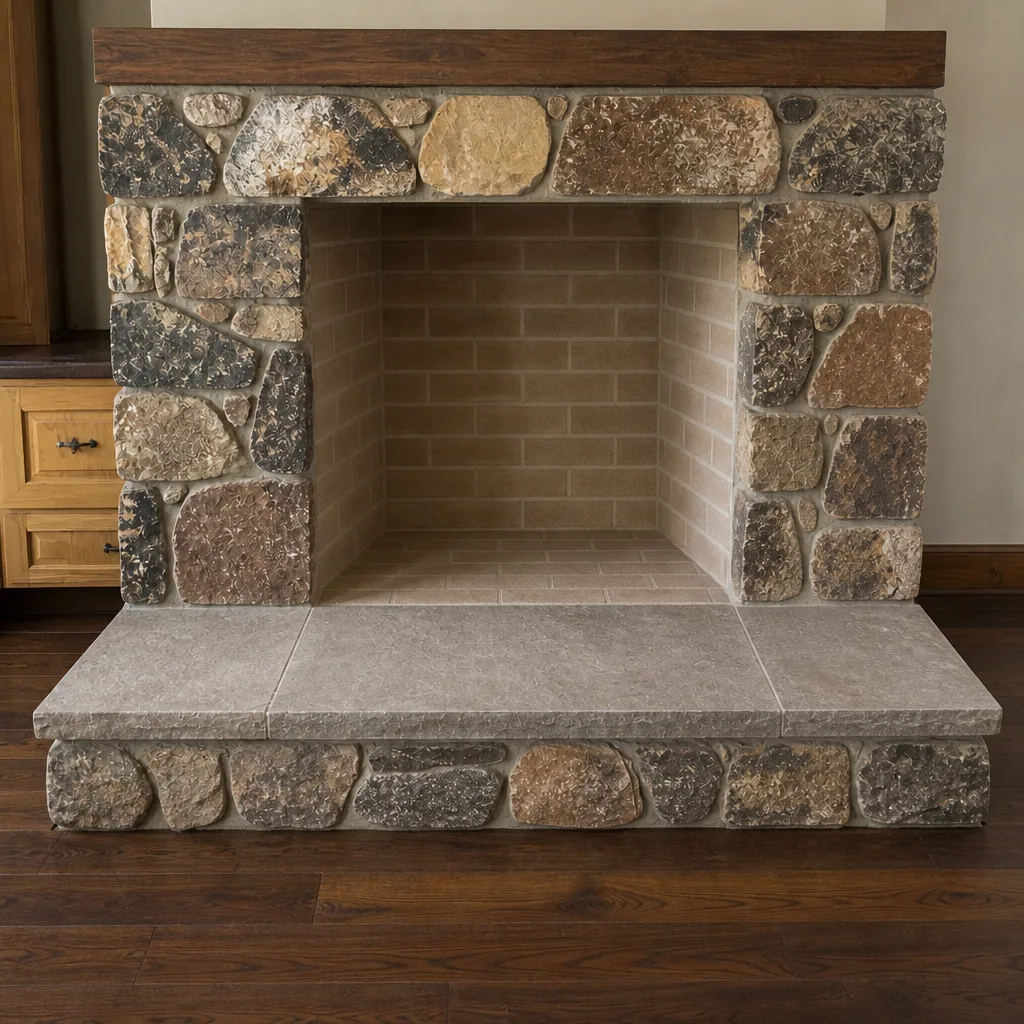 After
When to Call a Professional
Call a trained chimney professional when your flue has not been swept in a season of use, when you’ve seen glazed, hard creosote on the flue walls, when smoke comes back into the room, when there’s water staining in the firebox, or when the cap or crown is visibly damaged. Structural work on the crown or masonry, and any liner installation, is not a homeowner project – the hazards are real, and the diagnosis requires a camera and a trained eye on the whole system. If you’ve been told by an inspector or an insurer that the chimney needs attention, that’s the moment to book a professional inspection and a written quote. Marysville Chimney Sweep offers free estimates in Marysville – call (877) 820-9607.
Frequently Asked Questions
A routine chimney sweep in Marysville is priced per job by a written estimate, and the free estimate visit is what confirms the scope. The price you see in any quote depends on the flue’s condition, access, and whether a repair is bundled with the sweep. Call (877) 820-9607 for an exact quote – estimates are free.
Not always. A cracked but structurally sound clay flue can often be restored with HeatShield ceramic resurfacing, which is a less invasive and less costly specification than a full reline. A new flexible stainless liner is the right answer when the tile is beyond resurfacing or the appliance needs a properly sized and sealed flue. The decision belongs to what the camera finds, not to what a contractor says on the phone. Call (877) 820-9607 and we’ll show you the footage before recommending anything.
Once a year during active use is the baseline for most wood-burning households, and more often if the flue shows glazed creosote or the fuel has been unseasoned. A Marysville home that burns wood as a primary heat source through the winter should treat the late-summer sweep as a fixed item on the calendar. If you can’t remember the last sweep, book one – the inspection tells you what you need to know. Call (877) 820-9607 to book a sweep.
Creosote builds in the flue with every fire, and a glazed layer is the condition that makes a chimney fire possible. Skipping the sweep also means skipping the inspection, which is where water damage, a cracked crown, or a failed cap gets caught before it becomes structural. The risk isn’t theoretical, and it’s not a scare tactic – it’s the reason chimney sweeps exist as a trade. Call (877) 820-9607 and we’ll check it before the season.
Type 316 contains molybdenum, which resists the chlorides and corrosive byproducts in flue gas better than Type 304. In a wet climate, a flue that sits damp between burns is more likely to corrode a 304 liner, and a gas or oil appliance should specify 316 regardless. Ask any contractor to write the alloy on the quote – it’s a line a homeowner can actually check. Call (877) 820-9607 for a written estimate.
Retail products can loosen soft creosote and make a sweep more effective, but they don’t remove glazed deposits, which are the actual fire risk. Trade-grade chemical removers soften glazed creosote so a technician can sweep it out, and the treatment is verified by a follow-up inspection. The retail shelf and the trade are not the same category – call (877) 820-9607 if you’re not sure what stage your flue is in.
The Bottom Line
The brand decision in chimney cleaning isn’t the brush; it’s the liner, the sealant, the cap, and the crown. Those are the components with real quality variance, and the contractor who can name what they install – DuraFlex, HeatShield, Gelco, Olympia Chimney, and the trade-grade products behind them – is a contractor who has thought past the price. Use material specifications as your vetting tool: alloy, wall thickness, manufacturer, and a written quote that names all three. When the flue needs work, the repair you want is the one specified from evidence, verified after install, and priced on a written estimate. We answer 24/7. Fast dispatch, 7am-7pm, Sunday through Friday.
Call (877) 820-9607 for a free estimate. We answer 24/7. Fast dispatch from 7am to 7pm, Sunday through Friday.
Written by the team at Marysville Chimney Sweep.