
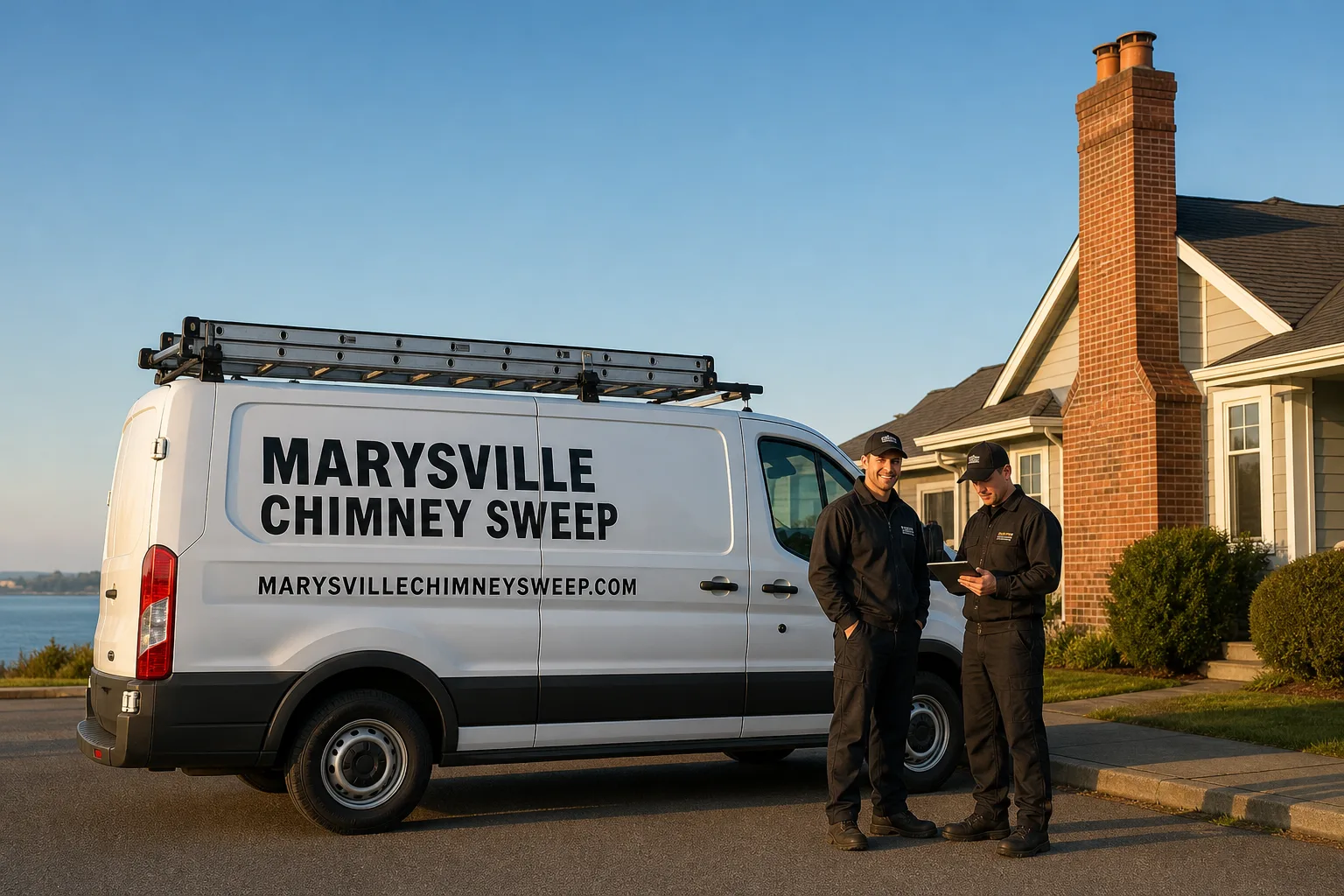
 Sweep & inspection
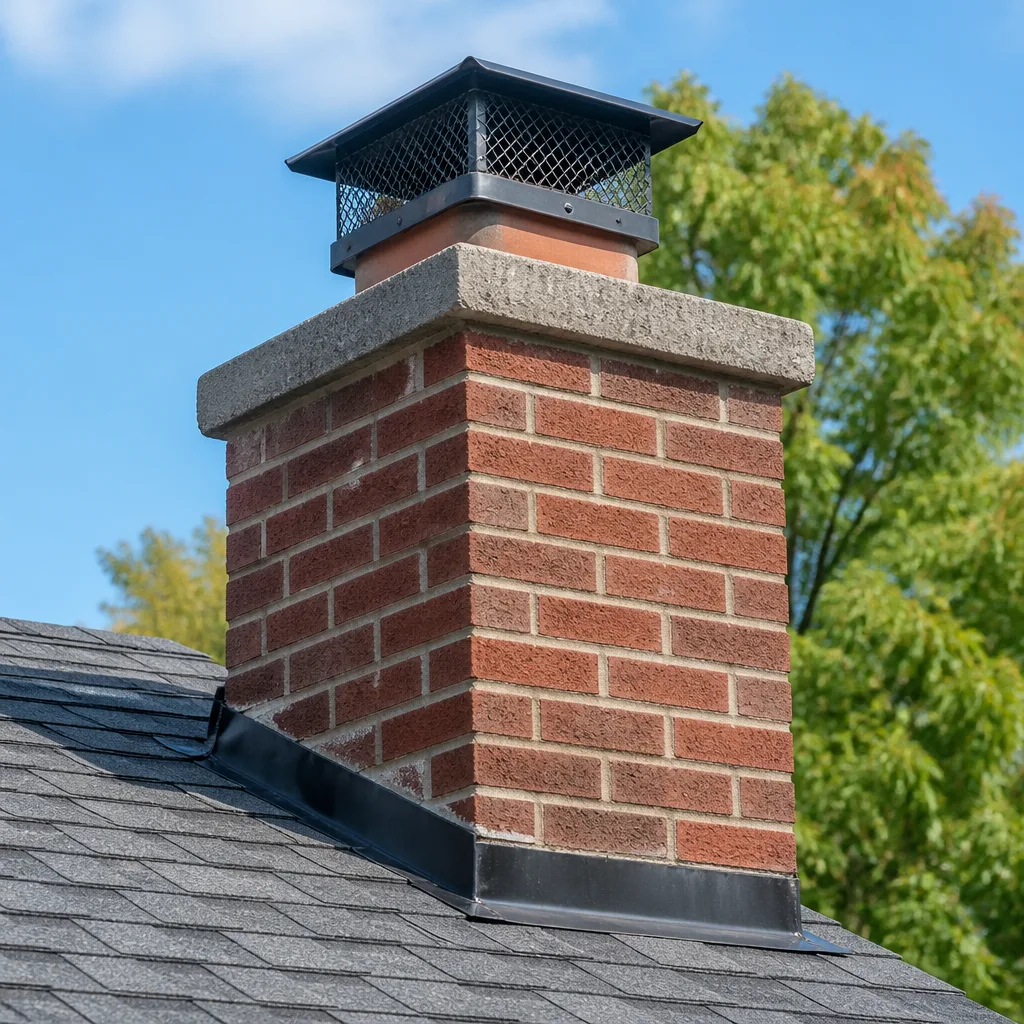
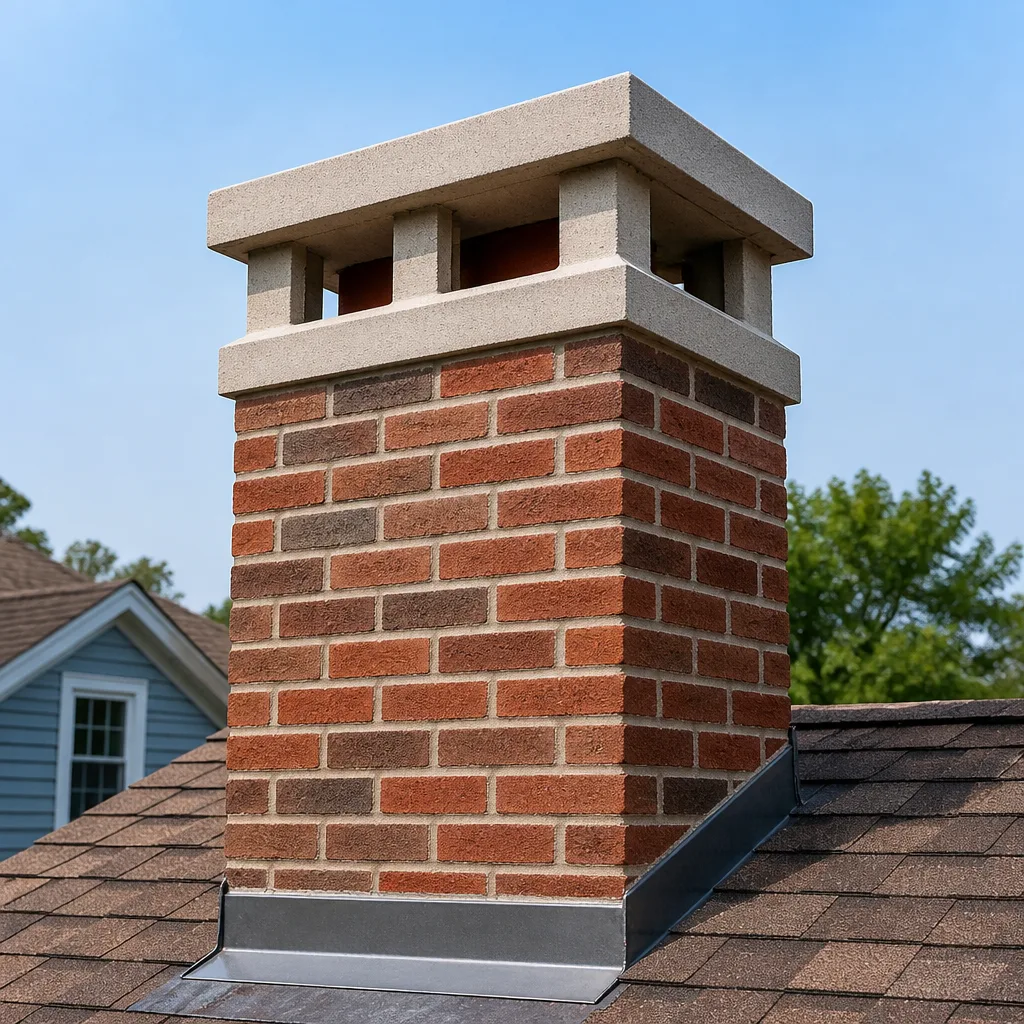 Caps & crowns
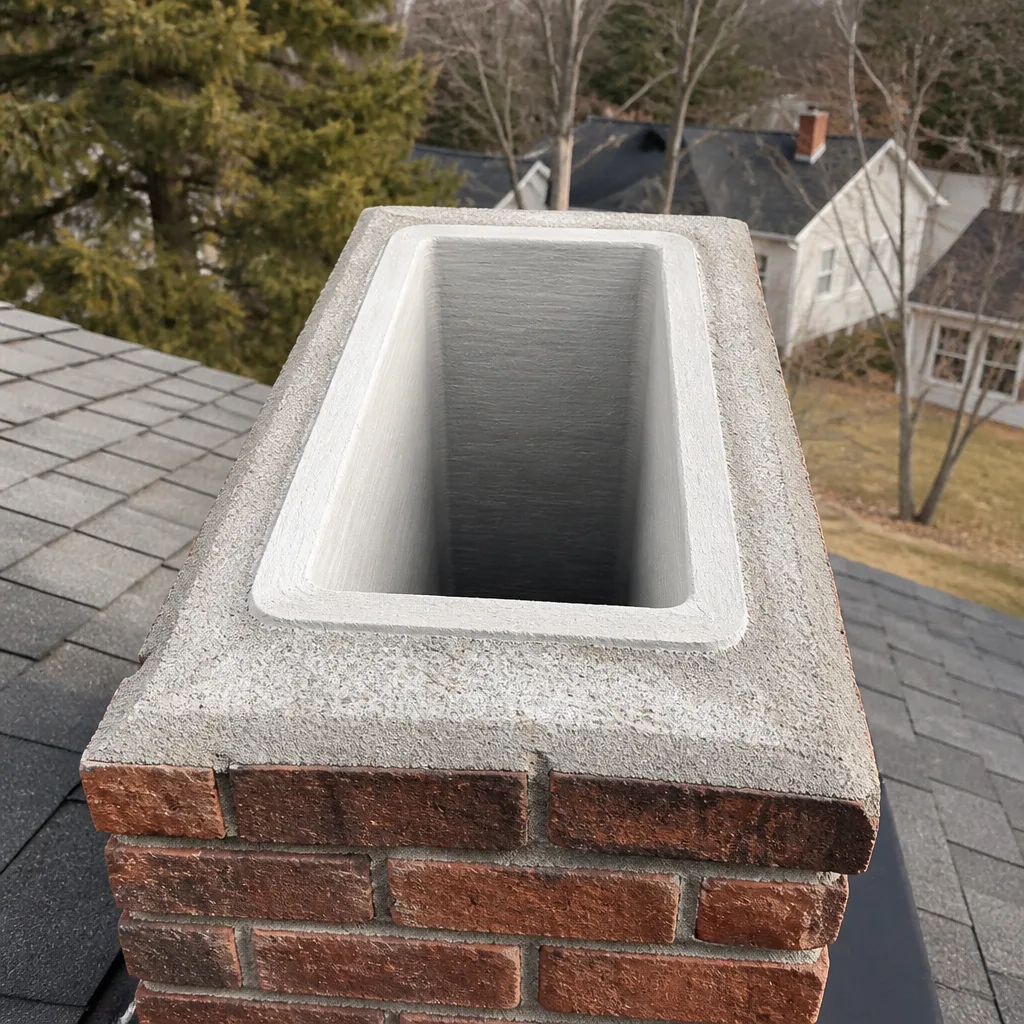 Flue relining
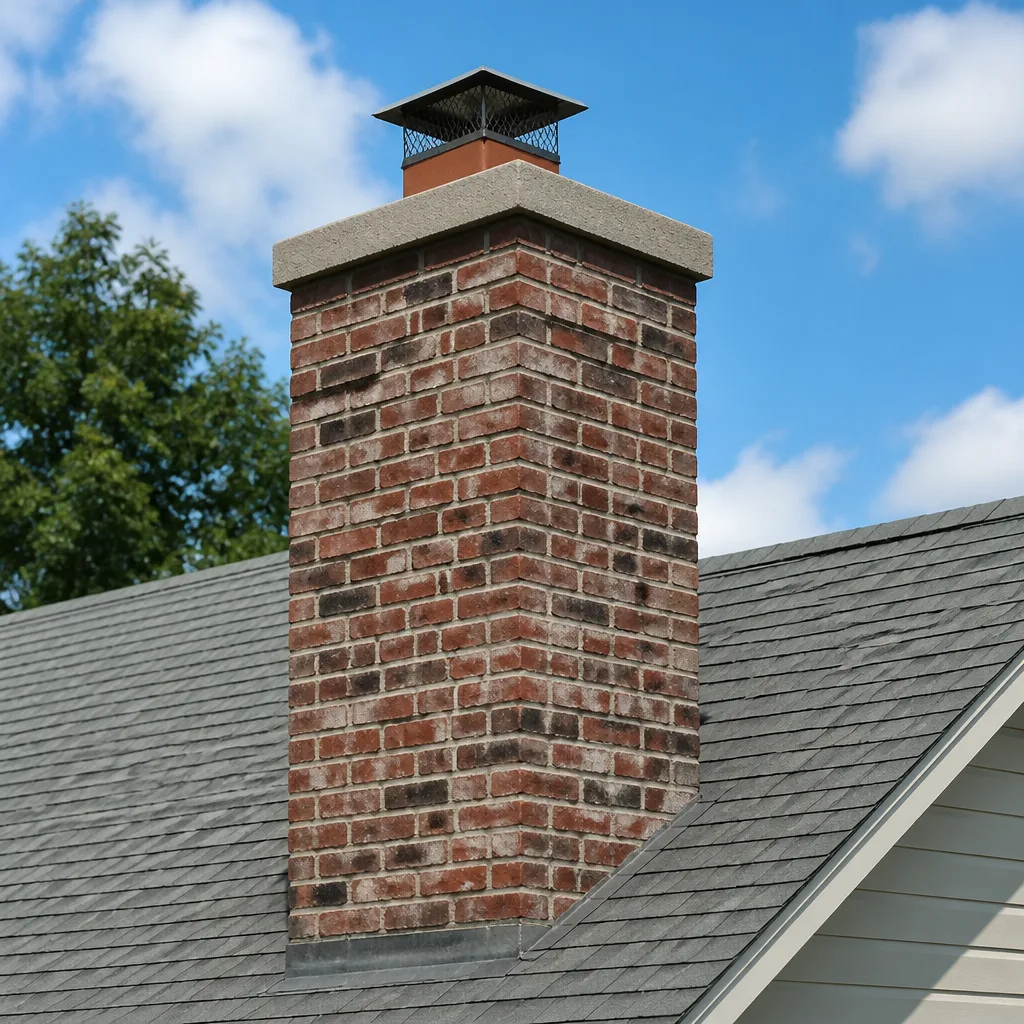 Masonry repair
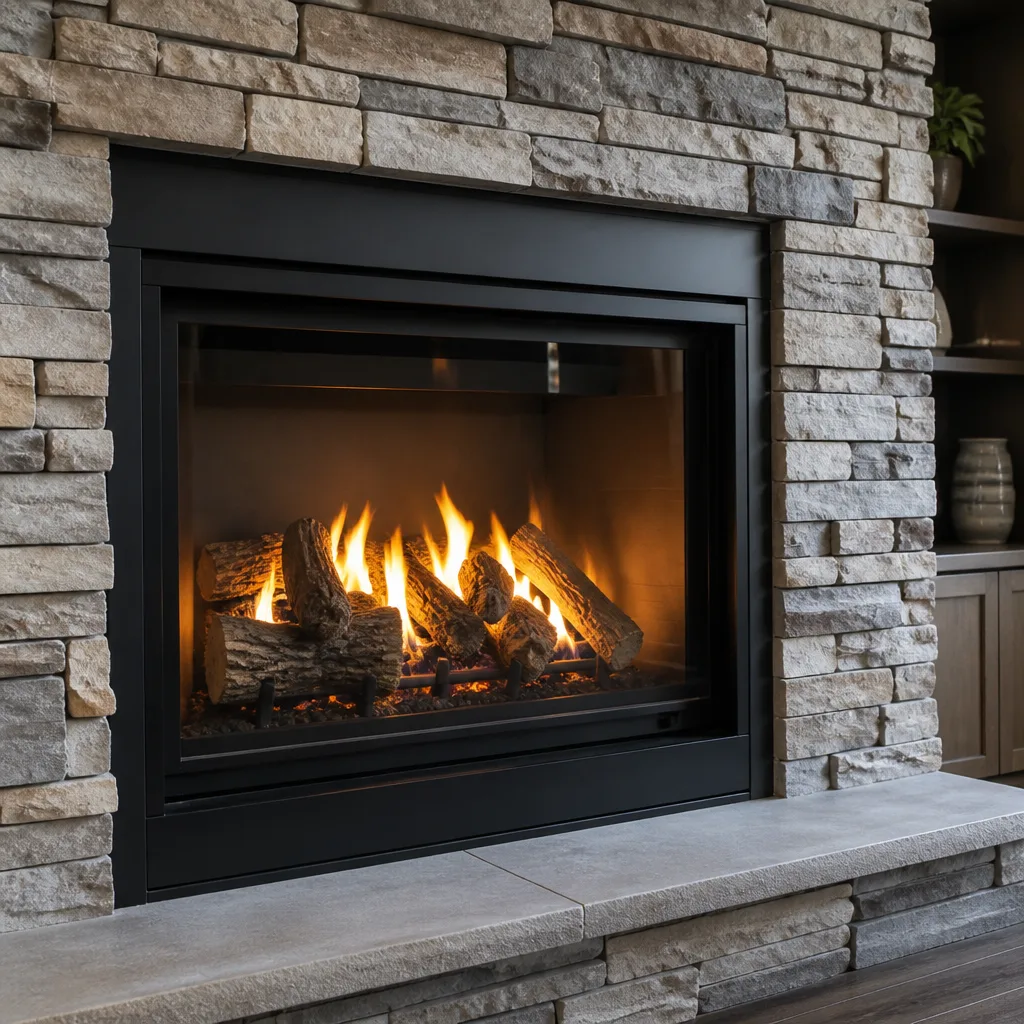 Gas fireplace service
Level 1 sweep and inspection to the NFPA 211 annual standard - flue, crown, cap, and flashing checked and photographed
Chimney sweep logs do not sweep chimneys. They loosen some creosote - which then falls where a brush and vacuum still have to collect it.
Fast, Reliable Chimney Cap & Crown Across Arlington
If you live in Arlington, you already know what our wet valley weather does to a chimney. A rusted-out cap or a cracked crown isn’t cosmetic – it’s water getting into the structure of your home, one rainstorm at a time. We handle Chimney Cap & Crown work throughout the Stillaguamish Valley, from the older homes around downtown out to the rural acreage toward the foothills. Our technicians have up to 12 years of experience, and we always start with a camera inspection so you can see the damage before anyone recommends a repair. Call (877) 820-9607 for a free estimate.
Why Arlington Homeowners Call Marysville Chimney Sweep for Chimney Cap & Crown
Caps and crowns fail quietly. There’s no alarm, no warning light. The first sign is often a brown stain on a ceiling or a chunk of mortar on the roof, and by then the water has been working in for a while.
We’re a chimney and fireplace specialist, not a general handyman with a brush. That matters in Arlington, where a lot of homes sit on lots shaded by big conifers and stay damp much longer than the open subdivisions south of here. The cap and crown work we do is built around that reality: stainless and copper caps sized to your flue, crowns rebuilt with proper slope so water runs off instead of soaking in. We name what we install – Famco, Copperfield, Olympia Chimney – because generic parts are exactly what failed on these chimneys in the first place.
When you call, you get a straight answer about what we’re seeing and what it takes to fix it. Nothing gets recommended without a photo or camera view you can hold in your hand and look at yourself.
Styles & brands we work with
- Sweep & inspection
- Caps & crowns
- Flue relining
- Masonry repair
- Gas fireplace service
Our Chimney Cap & Crown Services in Arlington
Cap Installation
A new cap is the first line of defense against water, birds, and sparks. In Arlington, we size caps for the flue and the weather, usually in stainless or copper rather than galvanized steel, because a galvanized cap on a tree-shaded lot here rusts through within a few years. We fit caps to masonry chimneys and to the freestanding metal stacks common out on the rural fringe.
Cap Replacement
When the old cap is rusted, bent, or just plain wrong for the flue, we replace it rather than patch it. This is the most common job we run in Arlington’s older downtown homes, where a thin galvanized cap has been sitting through valley rain and shade for years. We measure the flue, show you the corrosion, and install a cap that’s meant to stay put.
Crown Repair
The crown is the concrete or mortar top that sheds water away from the flue. When it cracks and spalls – which happens a lot on early-1900s masonry chimneys here – water gets behind the clay-tile liner. We rebuild crowns with a proper slope and correct overhang, then show you the before and after so you know exactly what was done and why. If the flue itself is damaged, we can also resurface it with HeatShield rather than jumping straight to full relining.
Crown Coating
A flex crown coating seals hairline cracks in a crown that’s still structurally sound. It’s the right call when the crown isn’t failed yet but is starting to show its age. We’ll tell you honestly when coating is enough and when a full rebuild is the only thing that will actually stop the water. That call is made from the camera footage, not from what’s easiest to sell.
Trusted Brands We Service in Arlington
We work with professional-grade chimney materials, and we name what goes on your home. Famco and Copperfield caps are the trade-standard options we install most, and we’re authorized to work with DuraFlex flexible liner systems when the flue behind that failed crown needs attention too. HeatShield lets our technicians resurface a deteriorating flue liner without a full replacement in the right circumstances. We don’t stock parts on trucks – everything is ordered and sized to your chimney, which means the cap or crown you get is the one built for your flue, not whatever was closest at hand.
See the difference
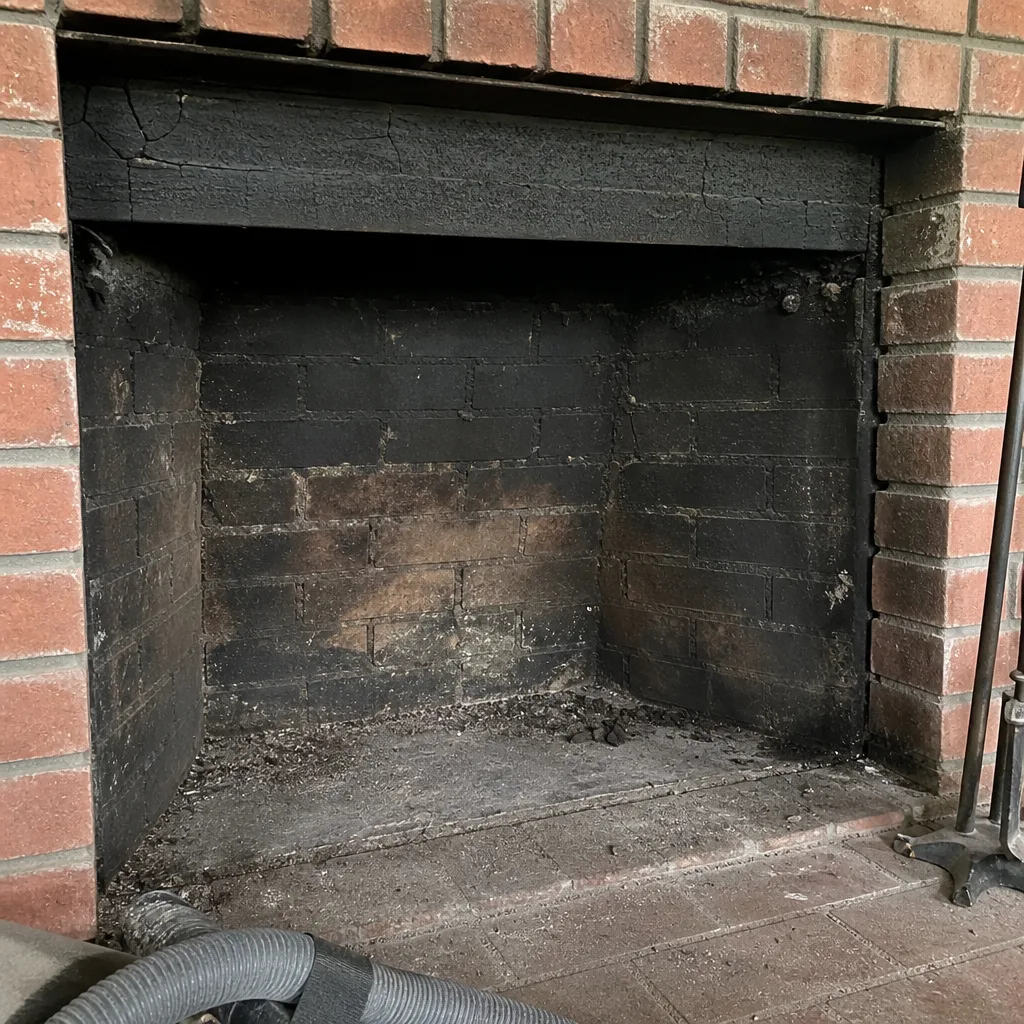 Before
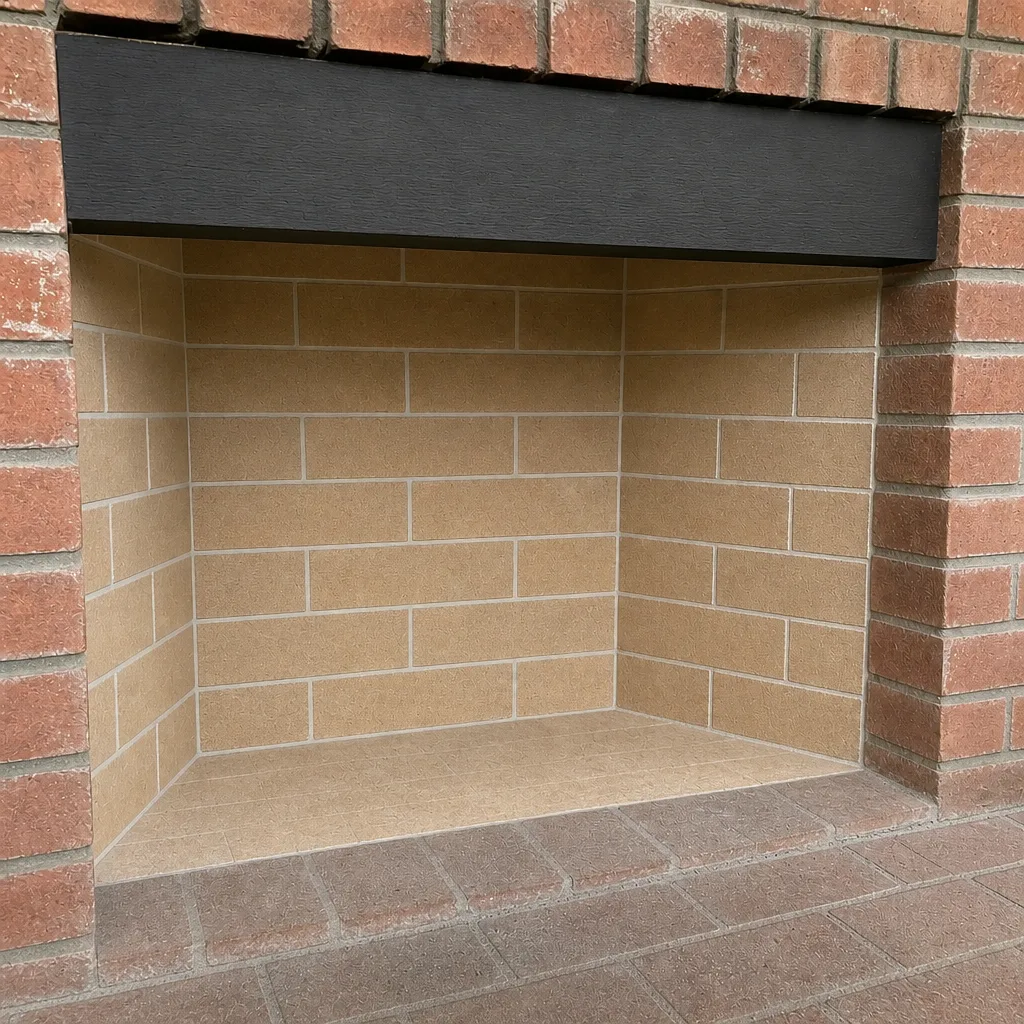 After
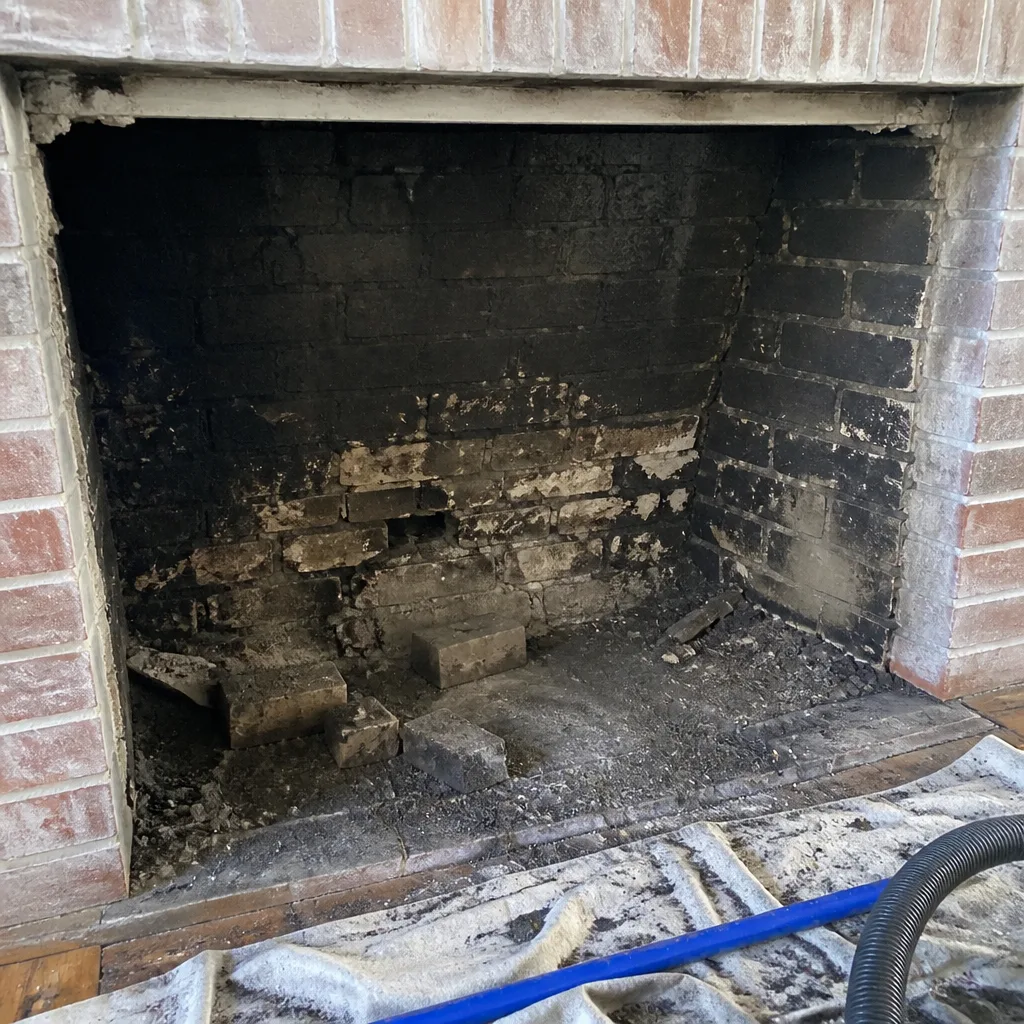 Before
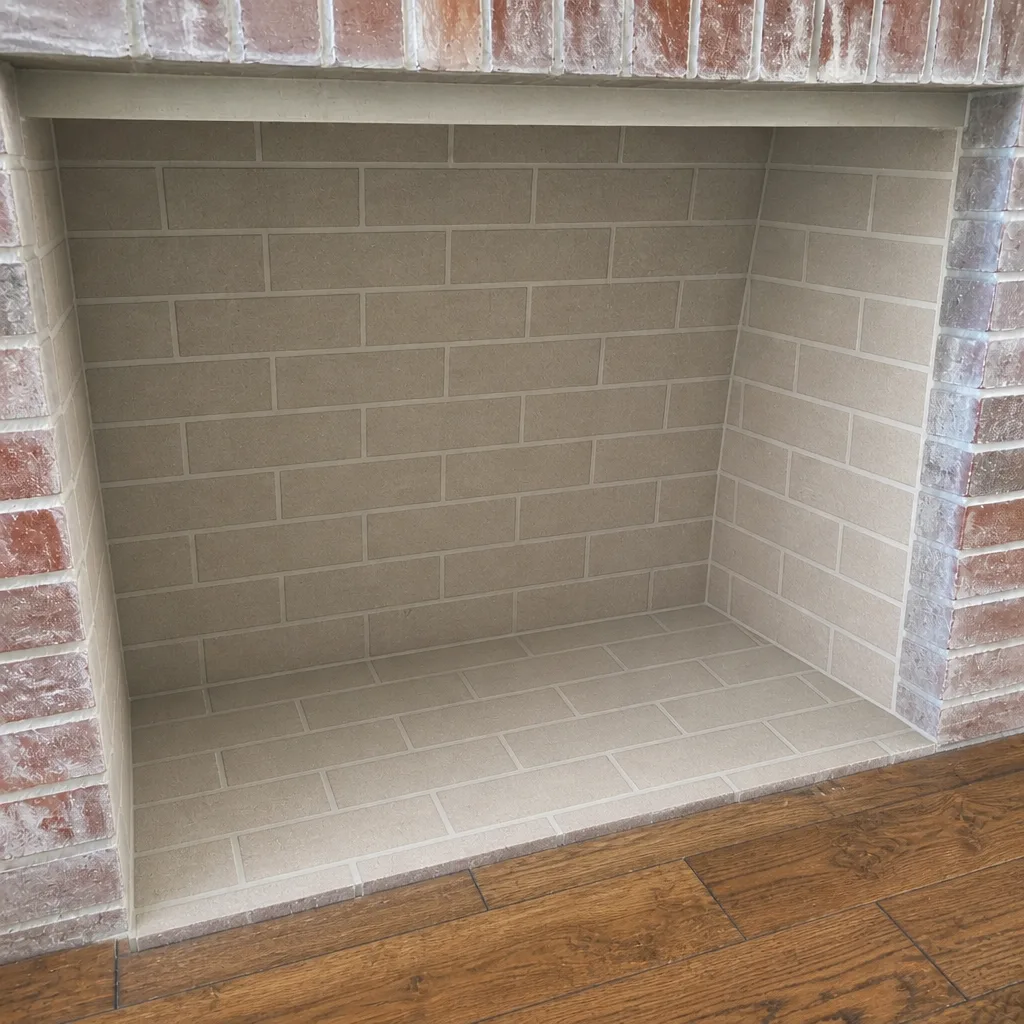 After
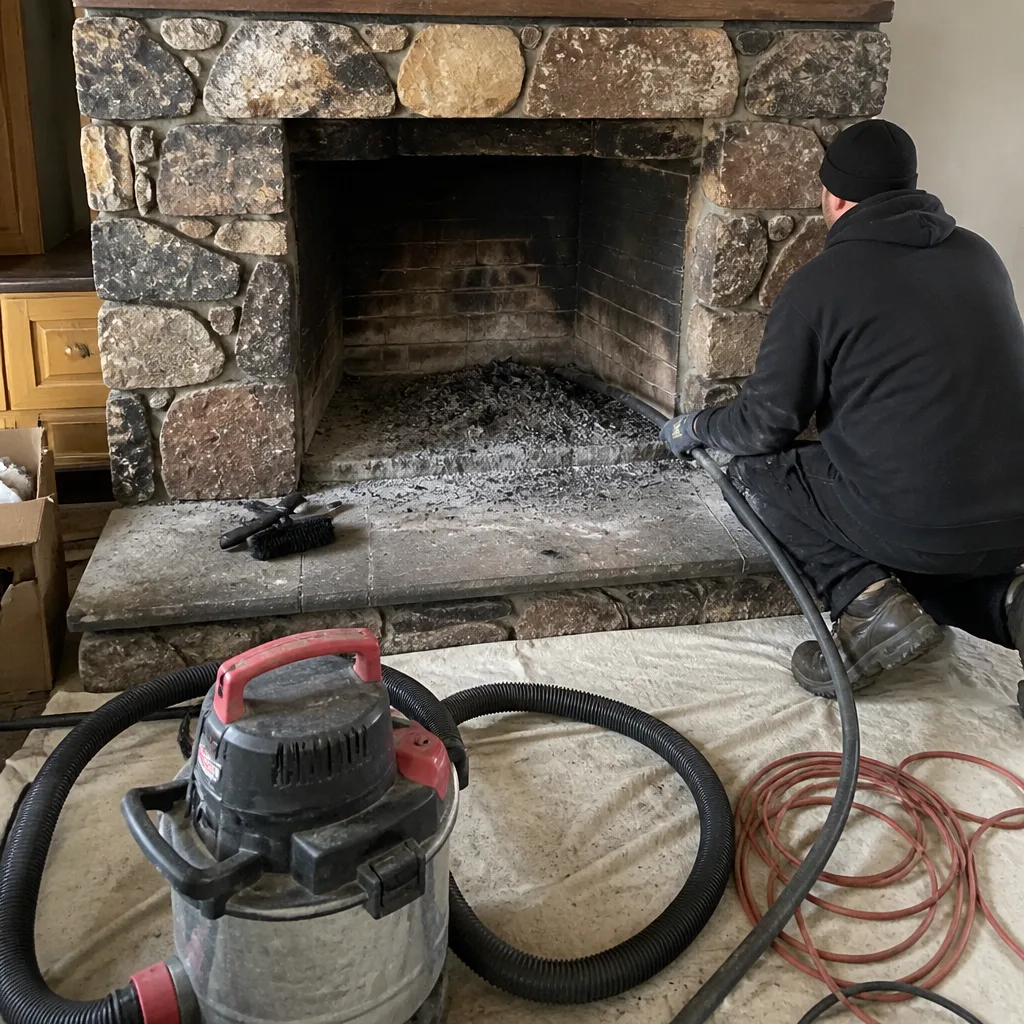 Before
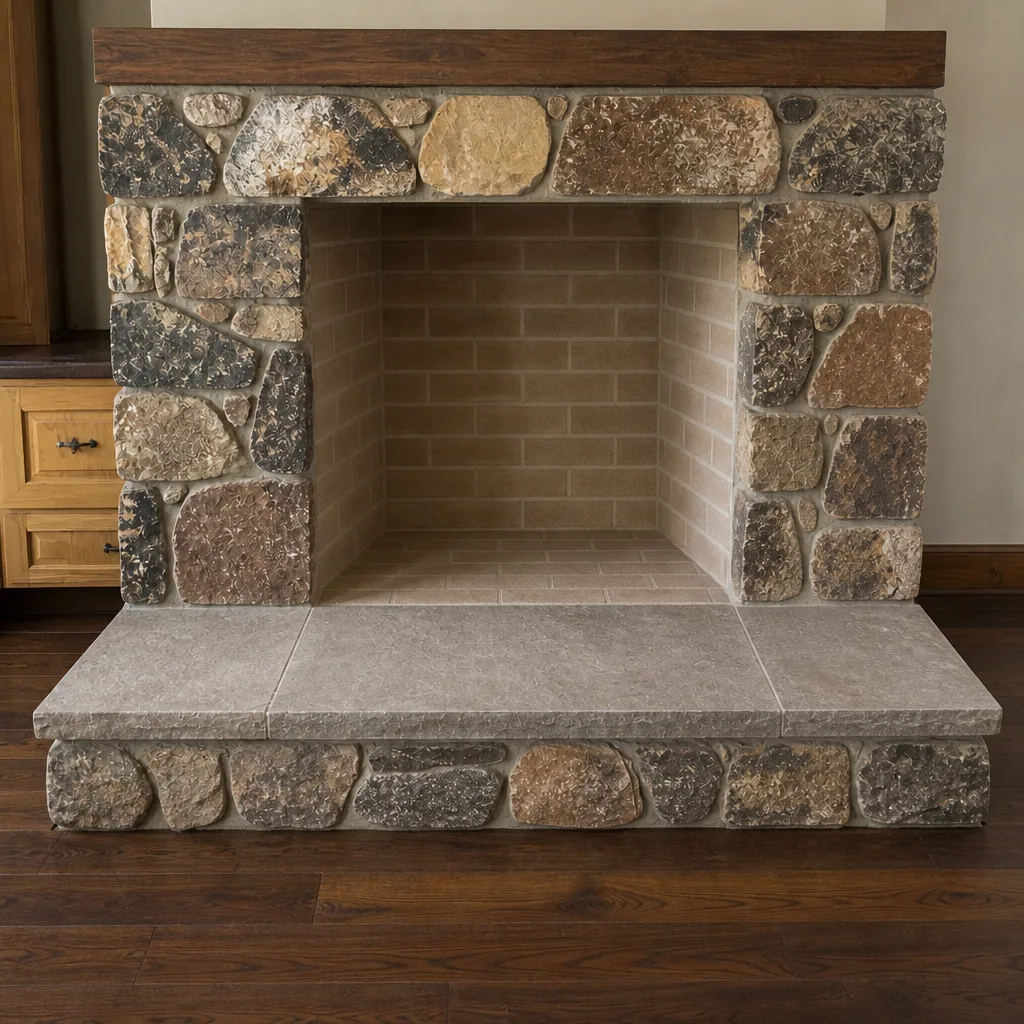 After
Common Chimney Cap & Crown Problems We See in Arlington Homes
- Galvanized caps rusted through. On tree-shaded lots where the chimney never fully dries, a standard galvanized cap corrodes and lets water drip straight onto the crown and down the flue. That’s moisture damage, not old age.
- Original mortar crowns cracking and spalling. Many early-1900s downtown homes still have the crown that was built with the chimney. Valley rain and freeze cycles crack it, and water gets behind the clay-tile liner where it does the most damage.
- Corroded metal stacks and failed flashing. Rural wood-stove setups with freestanding metal chimneys develop rusted caps and flashing that no longer seal against the damp. These need a different cap than a masonry fireplace does.
- Glazed, wet creosote in rural stove setups. The long heating season and constant winter wood burning here build heavy, glazed creosote that a standard cap on a short stack can’t keep dry. That’s a safety issue, not just a maintenance one.
Here’s the local picture that ties it together. Arlington’s Stillaguamish Valley damp keeps masonry chimneys cold and wet far longer than in drier counties, so a rusted-out cap or a spalling crown here is more often a moisture problem than an age problem. The same damp makes third-degree glazed creosote a genuine risk in rural wood-stove setups. In the older downtown homes, a masonry chimney with a clay-tile flue often ends up with a cap rusted through or a crown cracked and spalling after years of valley rain and tree-shade, letting water run down beside the flue liner. The usual cause is a standard galvanized cap and a thin mortar crown that were never meant for this much persistent damp. A qualified local pro will run a Level 2 inspection with a camera to show the cracks and flue condition before recommending a coated or rebuilt crown and a stainless or copper cap sized to the flue. That’s the whole point – you see it before you decide.
Pricing for Chimney Cap & Crown in Arlington, WA
Here’s what cap and crown work typically runs in the Arlington market. A standard stainless cap installation usually falls in the $225 to $475 range, and a custom or multi-flue cap for an unusual chimney runs $400 to $850. Crown coating is typically $350 to $650. A full crown rebuild, which means removing the old mortar and forming a new sloped crown, generally runs $600 to $1,400 depending on chimney size and access. What moves the number: flue count, chimney height, roof pitch, and whether the crown is a simple rebuild or needs the flue resurfaced too. Everything is set by a written estimate before any work starts, and the estimate is free.
We Also Serve Cities Near Arlington
We serve homeowners throughout this part of Snohomish County, including Arlington itself and the surrounding communities of Lake Goodwin, Sunday Lake, Marysville, and Lake Cassidy. If your chimney sits under heavy tree cover or your rural property runs a wood stove as primary heat, the damp-weather cap and crown problems we’re describing here apply to you too. Call (877) 820-9607 to book an estimate.
Serving Arlington, WA – Our Local Coverage Area
We serve Arlington and nearby communities. Use the map below to see the area we cover. If you’re nearby, we can almost certainly help.
FAQs – Chimney Cap & Crown in Arlington
They don’t rust faster because of the metal – they rust faster because they stay wet. Arlington’s tree cover and valley damp keep a chimney shaded and cold, so a galvanized cap never gets a chance to dry out between rainstorms. That constant moisture is what eats through the thin steel. A stainless or copper cap solves the root problem.
Expect a camera inspection first, before any repair is discussed. On an older masonry chimney, a cracked crown usually lets water get behind the clay-tile liner, so the crown and the flue both need to be checked. Depending on what the camera shows, the fix can be anything from crown coating to a full rebuild with the flue resurfaced using HeatShield. You’ll see the footage and get a written estimate before we recommend a thing.
Yes. A freestanding metal chimney on a wood stove needs a cap sized and designed for that stack, not a masonry-style cap. The rural fringe here burns wood hard through the long heating season, and the damp corrodes a metal stack cap and flashing faster. Getting the right cap on it protects both the stove and the creosote situation inside.
Look for visible cracks, crumbling mortar, or a crown that’s pulling away from the flue – and water staining on the ceiling or chimney breast inside. The real test, though, is a camera inspection, because hairline cracks you can’t see from the ground still let water in. We’ll show you exactly what we find.
Coating seals hairline cracks on a crown that’s still structurally sound; repair means rebuilding the crown itself when it’s cracked through or spalling. Coating is the lighter, lower-cost option when it’s genuinely enough. On a lot of the older downtown chimneys, the crown has gone far enough that a rebuild is the only fix that actually stops the water. Call (877) 820-9607 and we’ll tell you which one your chimney needs – from the evidence, not a guess.
Every cap and crown job we run in Arlington starts the same way: a camera inspection, a photo report you can look at yourself, and a flat-price written estimate agreed before we book. Nothing gets sold that you can’t see evidence for. Call (877) 820-9607 for a free estimate. We answer 24/7. Fast dispatch from 7am to 7pm, Sunday through Friday.
Written by the team at Marysville Chimney Sweep.