
Last updated November 25, 2026
 Sweep & inspection
 Caps & crowns
 Flue relining
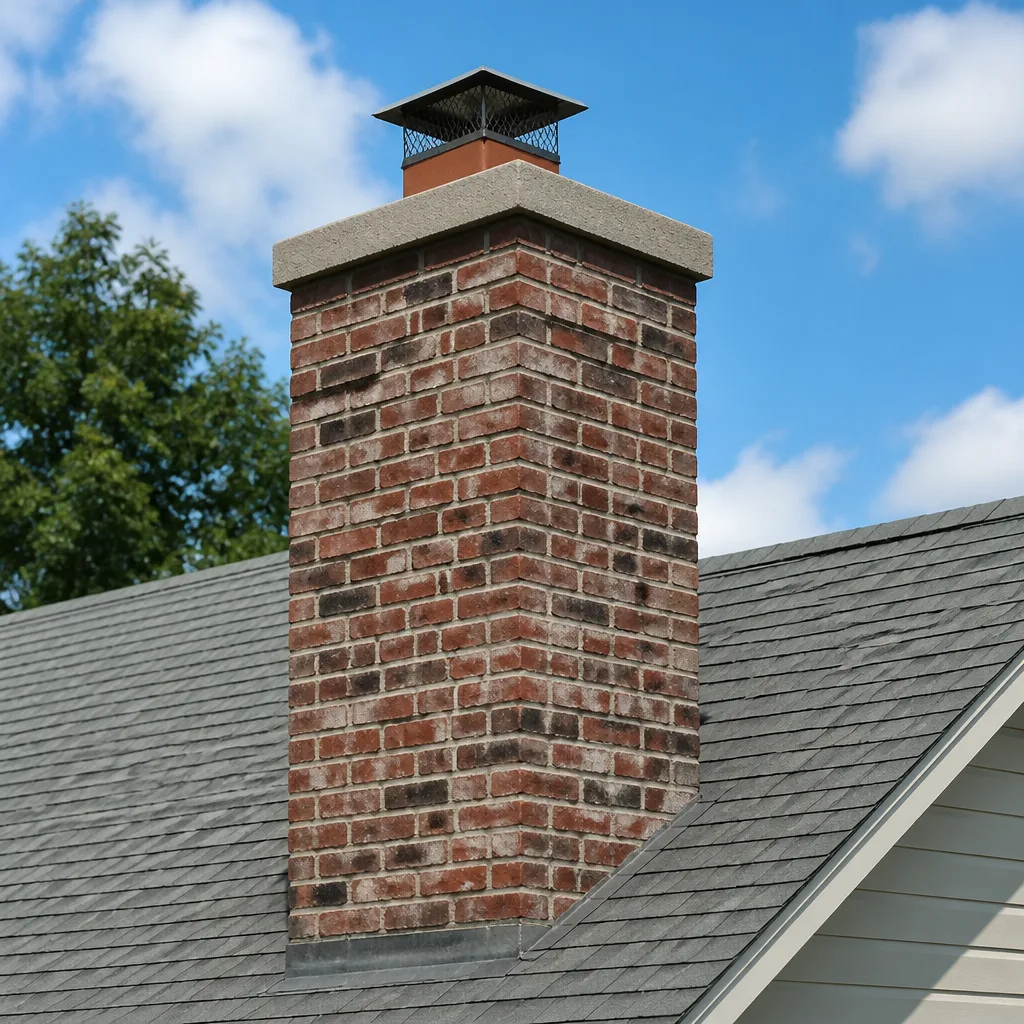 Masonry repair
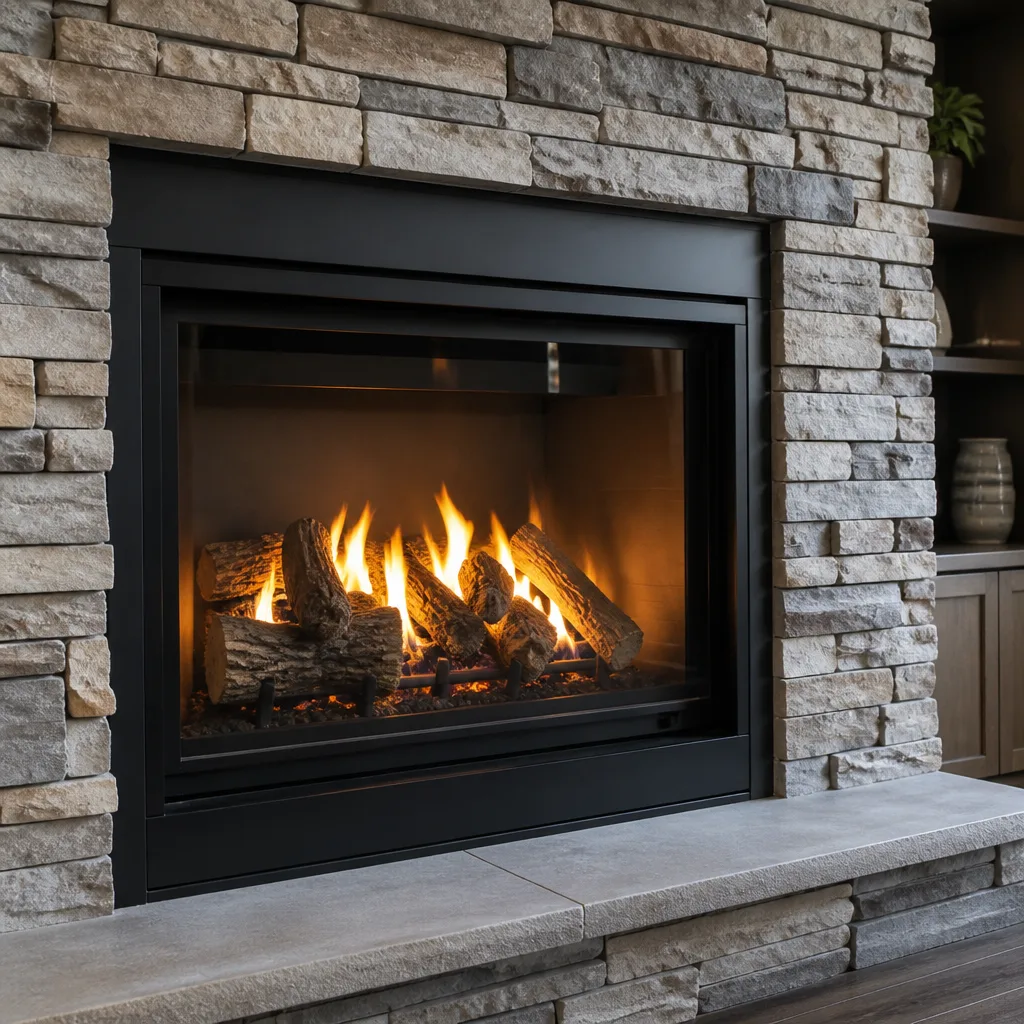 Gas fireplace service
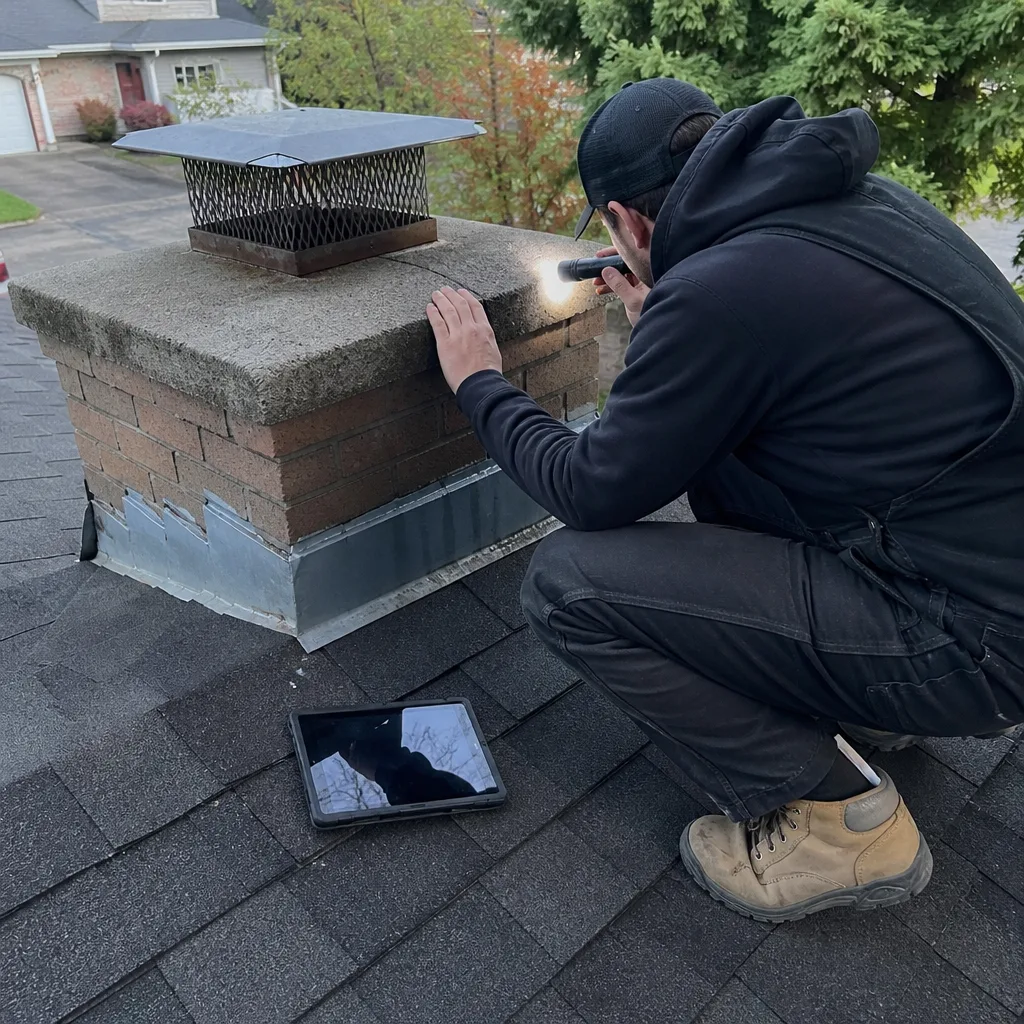
Level 1 sweep and inspection to the NFPA 211 annual standard - flue, crown, cap, and flashing checked and photographed
Chimney sweep logs do not sweep chimneys. They loosen some creosote - which then falls where a brush and vacuum still have to collect it.
Chimney Cleaning Warning Signs: A Marysville Homeowner’s Reference Guide
Most people think a chimney problem announces itself with smoke pouring into the room. It usually doesn’t. The dangerous conditions in a flue build quietly over many seasons, and the earliest warnings are small things you notice from the couch: a faint campfire smell on a cold evening, a puff of smoke that lingers instead of rising, a soft ticking after the fire dies down. This guide names the specific, observable signs of creosote buildup, structural wear, and draft failure that you can catch from inside your own home. Our technicians have up to 12 years of experience reading these signals, and we’ve written this so a Marysville homeowner can report what they’re seeing accurately rather than guess.
Quick Answer
The core chimney cleaning warning signs are a strong campfire odor when no fire is burning, smoke that rolls or spills instead of drafting up, black or glazed creosote visible in the firebox, white staining or cracked masonry on the exterior, and popping or ticking sounds during or after a fire. Any one of these is reason to stop burning and book an inspection. Two or more together mean you should treat the fireplace as out of service until a professional has looked at it.
Styles & brands we work with
- Sweep & inspection
- Caps & crowns
- Flue relining
- Masonry repair
- Gas fireplace service
Table of Contents
- Reading Creosote: The Three Stages and Why They Matter
- What Smoke Behavior Tells You About Your Flue
- Exterior Warning Signs You Can See From the Ground
- The Two Sounds That Mean Stop Using the Fireplace
- A 5-Minute Firebox Check Any Homeowner Can Do Safely
- Draft Failure and the Campfire Smell Explained
- Why Marysville Chimneys Age the Way They Do
- How Often Should a Chimney Be Swept?
Reading Creosote: The Three Stages and Why They Matter
Creosote is the tar-like residue left behind when wood smoke cools on the inside of a flue. It’s the fuel for most chimney fires, and it forms in three recognizable stages. What stage you’re looking at determines whether you need a routine sweep or a structural repair, so it’s worth knowing how to tell them apart.
Stage 1 creosote looks like soot and flaky black dust. You’ll see it coating the firebox walls, the damper, and the smoke chamber when you shine a light up. It brushes off relatively easily and is what a normal annual sweep removes. If your flue is mostly Stage 1, you’re in good shape and simply due for cleaning.
Stage 2 creosote is darker and denser. It looks like crunchy black flakes or a hardened crust, sometimes with a glossy sheen. It doesn’t brush off the way Stage 1 does; it takes a rotary sweep with the right tooling. Stage 2 buildup signals that your fire isn’t burning hot enough or your wood is too wet, and it’s the stage where chimney fires become a real possibility.
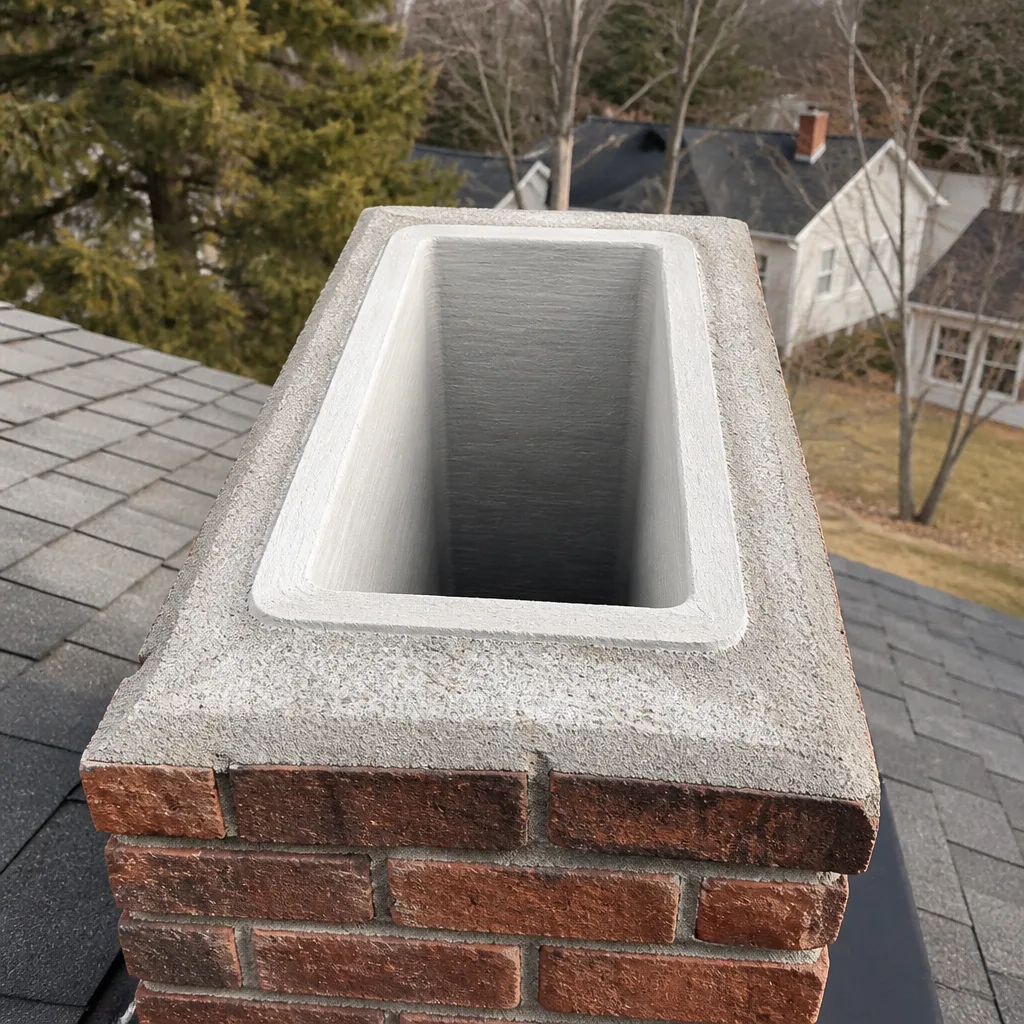
Stage 3 creosote is the one that changes your service. It looks like glazed, hardened tar, almost like melted plastic that cooled in place. It’s concentrated fuel, it’s very difficult to remove, and it often comes with a compromised flue liner underneath. Stage 3 usually means more than a sweep; it may call for liner assessment and possibly resurfacing. HeatShield is a ceramic resurfacing product we use to restore cracked flue tiles without a full reline in the right conditions, which is a structural repair that sweep-only companies can’t offer.
Here’s the practical distinction:
- Stage 1: Soot and flakes. Routine sweep clears it.
- Stage 2: Crusty, hardened flakes. Rotary sweep needed, and worth an inspection for glazing.
- Stage 3: Glazed tar. Fuel load with likely liner damage; needs inspection and possibly repair.
Most homeowners can’t reliably tell Stage 2 from Stage 3 by eye alone. A camera inspection settles it, and the photo report lets you see exactly what we’re seeing.
What Smoke Behavior Tells You About Your Flue
Smoke should rise steadily up the flue and disappear. How it behaves instead is one of the most useful diagnostic signals you have, and you can watch it from the hearth without climbing anything.
Lazy smoke that drifts slowly and curls back toward the firebox suggests a weak draft. Common causes include a cold flue that hasn’t warmed up, a closed or partly closed damper, or a blockage near the top. A cold flue is normal on the first fire of the season and usually resolves once the flue warms. Persistent lazy smoke across many fires is not normal.
Rolling smoke, the kind that billows out of the firebox opening and spills into the room, is a stronger warning. It can mean a partial blockage from a bird nest, a collapsed liner section, or a flue that’s undersized for the fireplace. It can also mean negative pressure in the house, which we cover below.
Puffing smoke, where the fire seems to breathe and smoke surges then recedes rhythmically, often points to a draft that’s fighting an obstruction. Don’t keep burning through it to “see if it clears.”
If your smoke behavior is off, here’s the sequence we suggest:
- Confirm the damper is fully open.
- Check that the firebox isn’t overfilled with wood.
- Crack a nearby window to test whether the house is starved for combustion air.
- If smoke still rolls or puffs with a warm flue and an open damper, stop burning and book an inspection.
Part of the reason we run a camera on every job is that smoke behavior alone can’t tell you whether the problem is blockage or liner damage. The camera can. When the call is a chimney repair question, we want to see the flue before we say a word about cost.
Exterior Warning Signs You Can See From the Ground
You don’t need to get on the roof to catch some of the most important warning signs. Stand back on the lawn and look at the chimney as a whole. Water is a chimney’s worst enemy, and these visible clues point to water getting in.
White chalky staining (efflorescence). That powdery white bloom on the brick is mineral salts pushed to the surface by moisture moving through the masonry. It’s not cosmetic. It means water is traveling through the brick and mortar, and that process slowly weakens the structure from the inside.
Dark staining or streaks. Brown or black vertical streaks below the crown, or dark patches on the exterior face, can indicate a cracked flue liner letting smoke and creosote escape into the masonry, or long-term moisture damage. Either way, it needs a look.
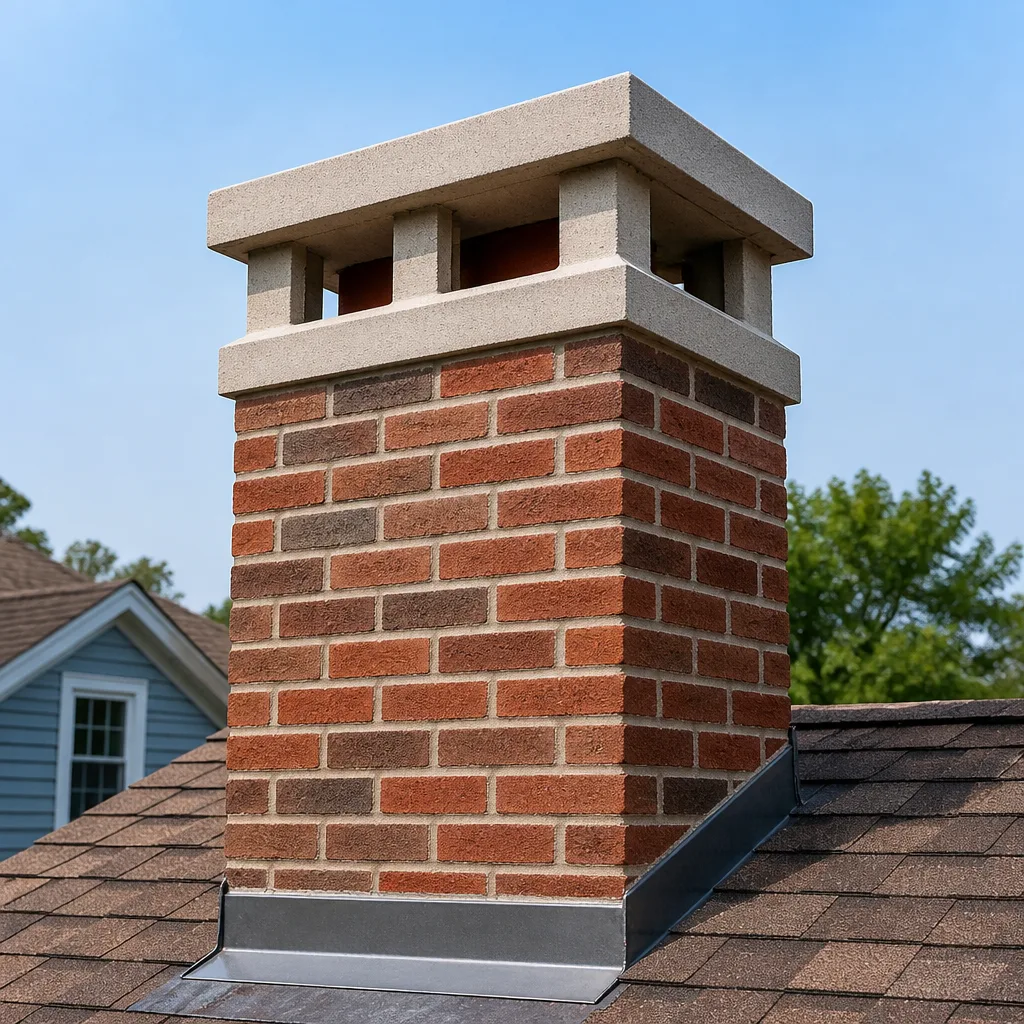
Crown cracking. The crown is the concrete cap on top of the chimney that sheds water away from the masonry. When it cracks, water runs into the chimney’s core. A failing crown is one of the most common causes of chimney structural problems, and rebuilding the crown in-house is something we do as a standalone service with proper materials.
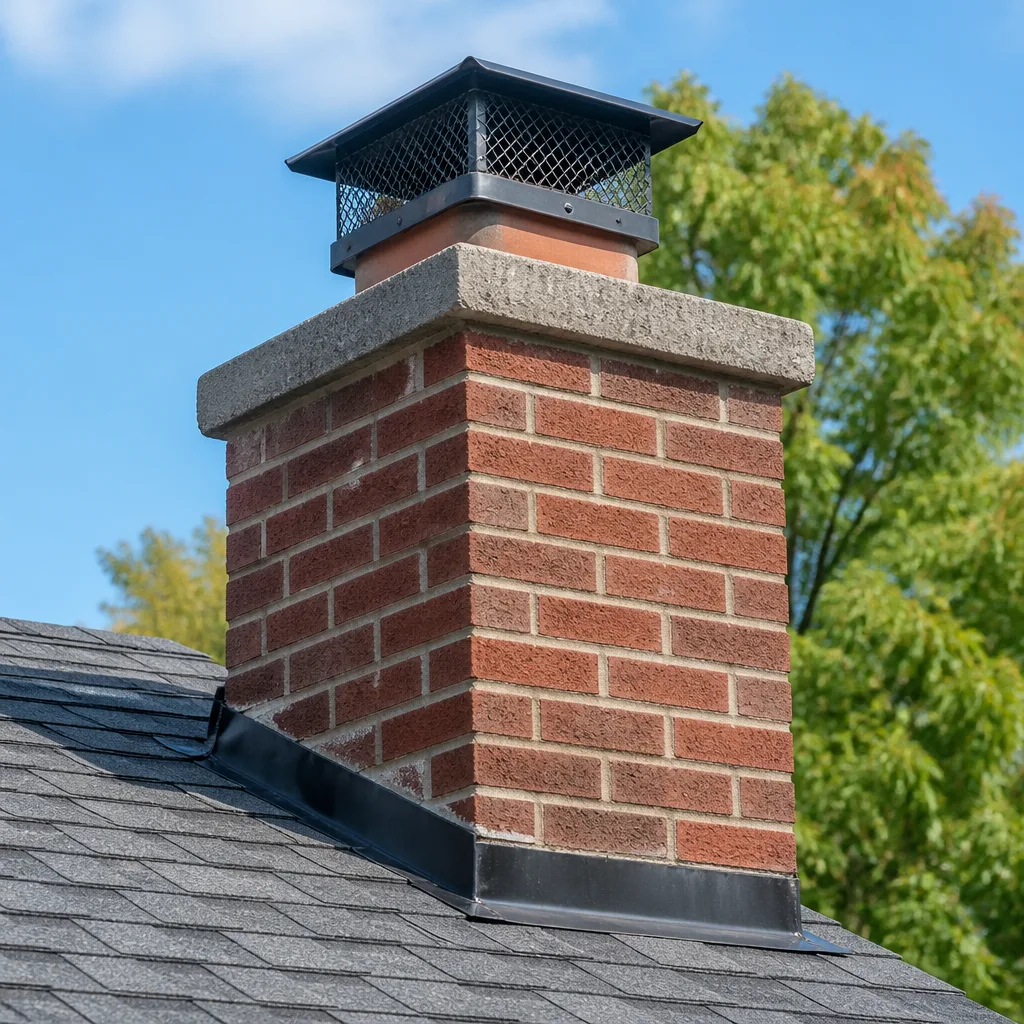
A missing or rusted cap. A chimney cap keeps rain, snow, and animals out of the flue. No cap means water and debris go straight down the flue, and it’s the most avoidable cause of the damage above. We install caps from brands like Gelco and Olympia Chimney, and we name what we install because we want you to know what’s on your roof.
- White efflorescence on brick = moisture moving through the masonry
- Brown or black streaks = possible liner or waterproofing failure
- Cracked or crumbling crown = water running into the chimney core
- No cap or a rusted-through cap = open door for water and animals
- Loose or missing mortar joints = spalling brick and structural wear
The Two Sounds That Mean Stop Using the Fireplace
Two sounds are genuine stop signs. If you hear either one during or after a fire, put the fire out and don’t light another until the chimney has been inspected.
Popping or crackling from inside the flue during a fire
Wood popping in the firebox is normal. Popping that comes from up inside the flue, distinct from the fire itself, is often burning creosote igniting in the chimney. That’s a chimney fire, even if it’s small and self-extinguishing. Even a quiet chimney fire can crack a liner or damage the flue tiles, so it always calls for an inspection afterward.
Ticking or pinging during cool-down
After the fire burns down and the chimney starts to cool, some metal ticking is normal thermal contraction. But a repeating tick or pinging that seems to come from the chimney structure, or that gets more pronounced over time, can indicate a metal liner component or a structural section that’s moving where it shouldn’t. Combined with anything on the exterior list above, it’s worth checking.
If you’re hearing either sound, here’s what to do:
- Let the fire burn out and close the damper once it’s fully out.
- Don’t burn again until the chimney has been inspected.
- Look at the firebox and exterior for any other signs on this list.
- Book an inspection and ask for the camera report so you can see the flue condition yourself.
We’re careful about this because the danger is real, not because we want to alarm you. A chimney fire can damage a flue without any dramatic flame show, and carbon monoxide is a colorless, odorless risk when a flue is compromised or blocked. That’s the reason to act, not the anxiety.
A 5-Minute Firebox Check Any Homeowner Can Do Safely
This is a look-and-observe check. It doesn’t involve climbing, opening panels, or reaching into the flue, and it’s safe for any homeowner with a flashlight. Do it before your first fire of the season and again mid-winter.
- Shine a light up the firebox. Look for black flaky soot (Stage 1), crusty hardened flakes (Stage 2), or glazed shiny patches (Stage 3).
- Look at the damper. It should open and close fully. A damper that sticks or doesn’t seat is a draft problem.
- Check the firebox walls for cracks. Hairline cracks in the firebrick or mortar can let heat into the structure behind.
- Smell the firebox when cold. A strong campfire odor with no fire means draft failure, which we explain below.
- Look up the flue with your light. You can’t see far, but you can spot obvious glazing or a nest near the damper.
If everything looks clean and smells neutral, you’re likely fine until your next scheduled sweep. If you see glazing, smell smoke, or spot cracks, note what you saw and call. A precise observation (“glazed black coating on the smoke chamber, campfire smell when cold”) helps the technician arrive prepared.
When cleaning is the answer, a routine chimney sweep clears Stage 1 and Stage 2 buildup and includes the inspection that tells you what’s underneath. Not every call is a sweep, though; sometimes the signs point to a fireplace repair for the firebox or damper itself.
Draft Failure and the Campfire Smell Explained
A campfire smell in your living room when the fireplace is cold isn’t ambiance. It’s a negative-pressure backdraft condition, which means air is moving the wrong way through your home and pushing combustion gases and creosote odor down the flue instead of up and out. That’s a draft failure, and it deserves attention.
Draft failure has several common causes. A cold flue that hasn’t warmed yet is the simplest, and it usually resolves once the flue warms. A blocked flue from an animal nest or a collapsed liner section is more serious, because the flue can’t pull air up. A house that’s tightly sealed and running exhaust fans, a dryer, or a bath fan can pull air down the chimney to replace what’s being exhausted, especially on a cold, still day. And a flue that’s too short or undersized for the appliance can simply never draft properly.
The smell tells you the direction of travel. If you smell smoke when the fireplace is off, the flue is moving air into the house, not out of it. That’s the moment to stop burning and get an inspection, because a compromised flue moving gases the wrong way is a genuine carbon monoxide concern.
It’s worth knowing that the fix for a campfire smell is rarely a sweep alone. It’s often a combination of a proper inspection, checking the flue and firebox, and sometimes sealing the chimney against air leaks. We read these signs on every job, and a Marysville Chimney Sweep inspection is available as a standalone service precisely because this problem doesn’t always need a cleaning.
Why Marysville Chimneys Age the Way They Do
Marysville sits in the Puget Sound lowlands, where the climate gives chimneys a particular kind of wear. The area’s wet winters and high humidity mean exterior masonry spends months damp, which is exactly the condition that drives efflorescence, spalling, and crown deterioration. A crown crack that might dry out and stay put in a dry climate keeps pulling water into the masonry here through the rainy season.
That moisture load is why we treat the cap and crown as structural protection rather than decoration, and why we install caps from brands we trust, like Copperfield, Gelco, and Olympia Chimney, sized to the flue. In a Marysville chimney, water intrusion is the quiet cause behind a lot of the cracking and staining homeowners notice. The other local pattern we see is heavy creosote from burning softwoods and less-than-fully-seasoned firewood, which is common in a region with a long, damp firewood-drying season.
There’s another practical point: a lot of the older Marysville housing stock has masonry chimneys that have been through many winters and many fires. Their liners may be original, and original liners can crack with age. A camera inspection tells you what shape the liner is actually in, and it’s the only way to know rather than guess. The interior of the flue is out of sight from the hearth, and the camera is how we make it visible, with a photo report you can see for yourself.
When a liner is cracked but not beyond saving, HeatShield resurfacing can restore it without a full reline. When a full reline is the right call, we install DuraFlex flexible liner systems, which are professional-grade and not available through general contractors. The point is that the camera determines the service, not the other way around. If we can solve a liner problem with resurfacing instead of replacement, that saves you money and still meets the standard the trade relies on.
None of this is a reason to worry preemptively. Most Marysville chimneys we look at are fine. The value of the camera is that you know, and you know what you’re looking at.
How Often Should a Chimney Be Swept?
The honest answer is that frequency depends on how much you burn and what you burn. A homeowner who lights a few fires a season with well-seasoned hardwood may be fine on a longer interval. A household that runs the fireplace most of the winter, or burns softwood, or has a slightly smoking fire, builds creosote faster and needs cleaning sooner. The industry’s common baseline is an annual inspection and a sweep whenever the flue has accumulated meaningful buildup.
That’s why we don’t quote a flat “every X months” rule. The right interval comes from what’s in your flue now, and that’s a measurement, not a guess. A camera inspection tells you the buildup stage and the liner condition, and the photo report lets you see it, so you can decide when you’re due rather than being told on a schedule.
Also worth knowing: cleaning is not the same as inspection. Cleaning removes what’s there; inspection assesses the structure, liner, crown, and cap. You need both, and a good sweep includes a look at what the brush may not be able to remove. That’s the reason a standalone inspection is worth it before heating season, after a storm, or when you’ve been told your chimney needs attention. If a real estate transaction or an insurance review is involved, the inspection report is the document that matters.
Common Mistakes to Avoid
- Waiting for smoke in the room before calling. By the time smoke enters the room, you’ve already had a draft failure or blockage. The campfire smell and lazy smoke are earlier warnings worth acting on.
- Treating Stage 3 creosote as a cleaning job. Glazed creosote often hides liner damage underneath. A sweep alone doesn’t fix that, and a sweep-only company can’t identify or repair the liner.
- Burning softwood to save money and ignoring the creosote. In Marysville’s damp climate, wood that wasn’t dried fully adds moisture and slows the burn, which can push Stage 1 buildup toward Stage 2 faster.
- Skipping the cap because it “looks fine.” A missing or rusted cap lets water and animals into the flue. That’s the most avoidable cause of the damaging moisture and debris buildup.
- Getting a cleaning and no inspection. Cleaning and inspection are different services. The inspection is what tells you whether your liner is sound.
- Accepting a big repair quote without seeing the evidence. You should be able to see the camera images and understand what’s wrong before agreeing to work.
- Assuming a general handyman can handle it. Chimney work is a safety trade. The material choice and liner assessment matter, and it’s worth using a specialist.
See the difference
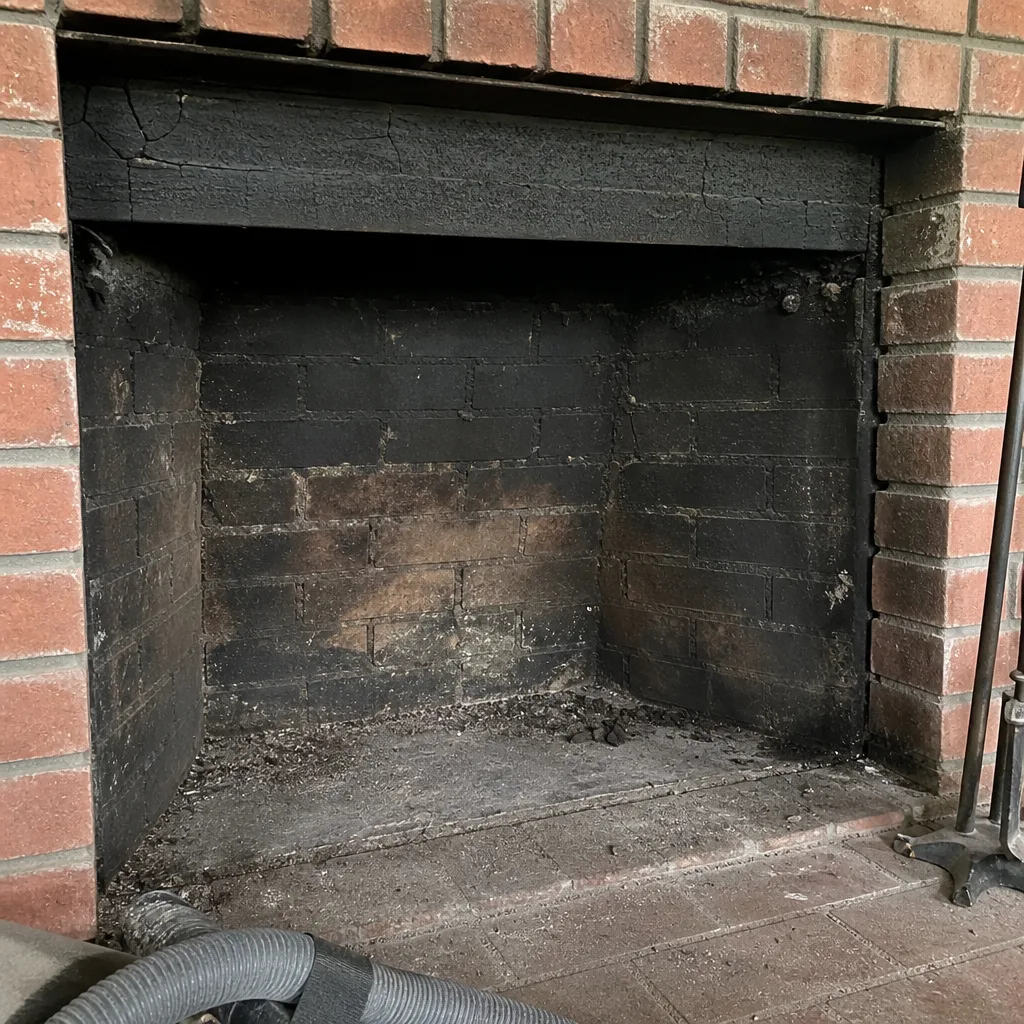 Before
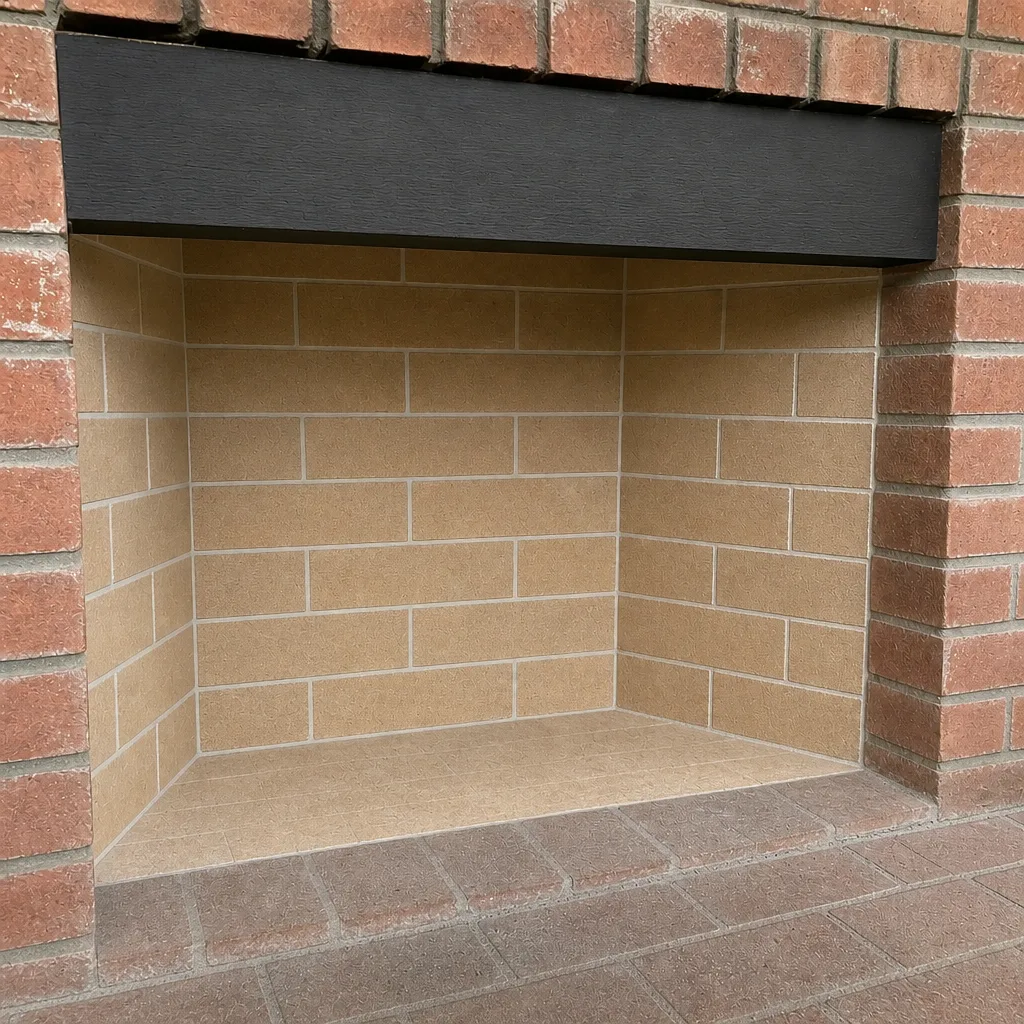 After
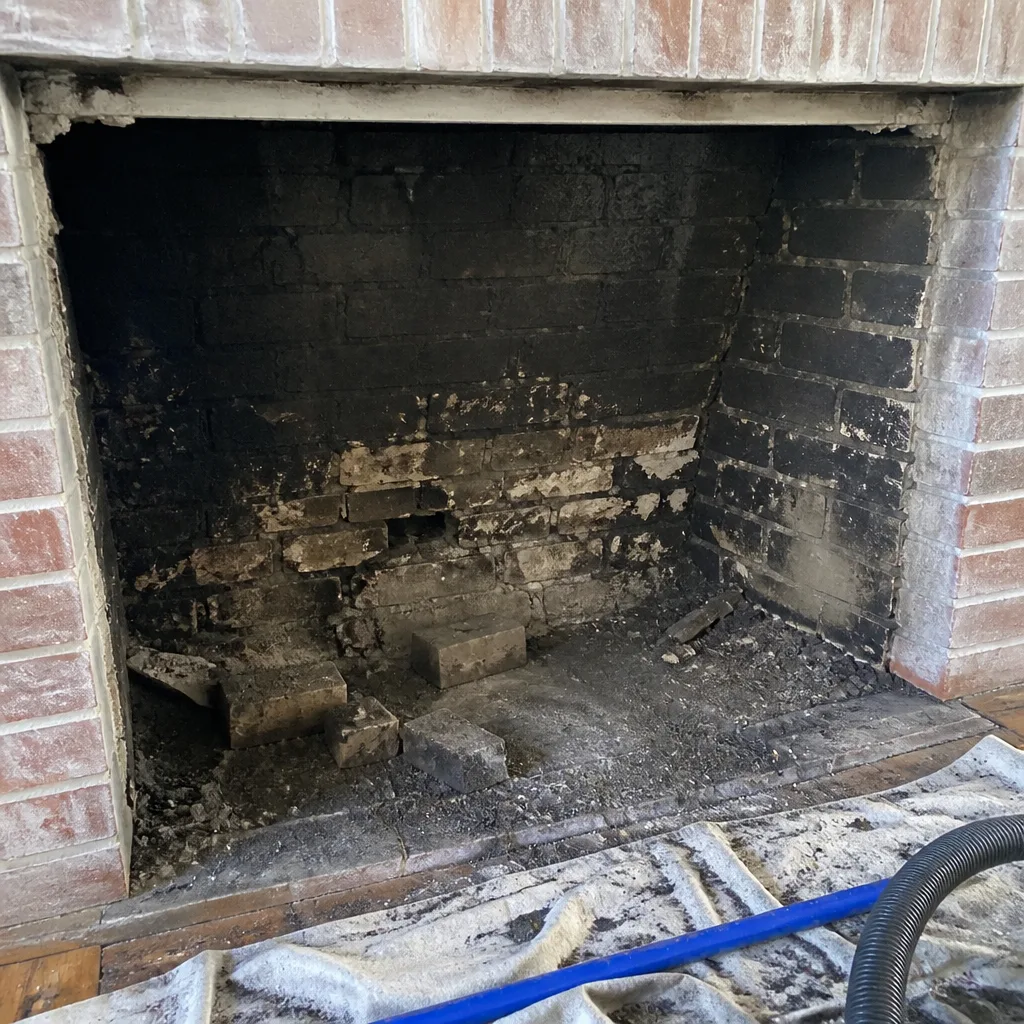 Before
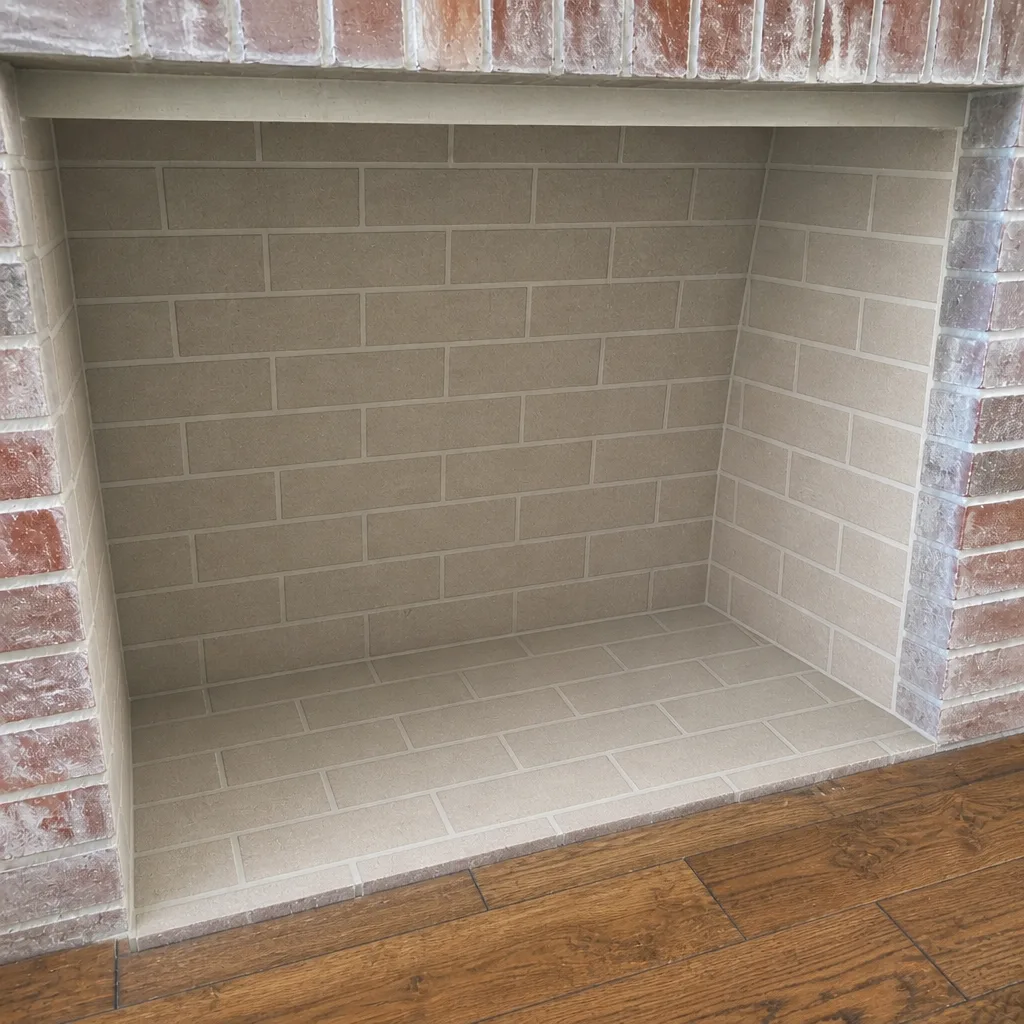 After
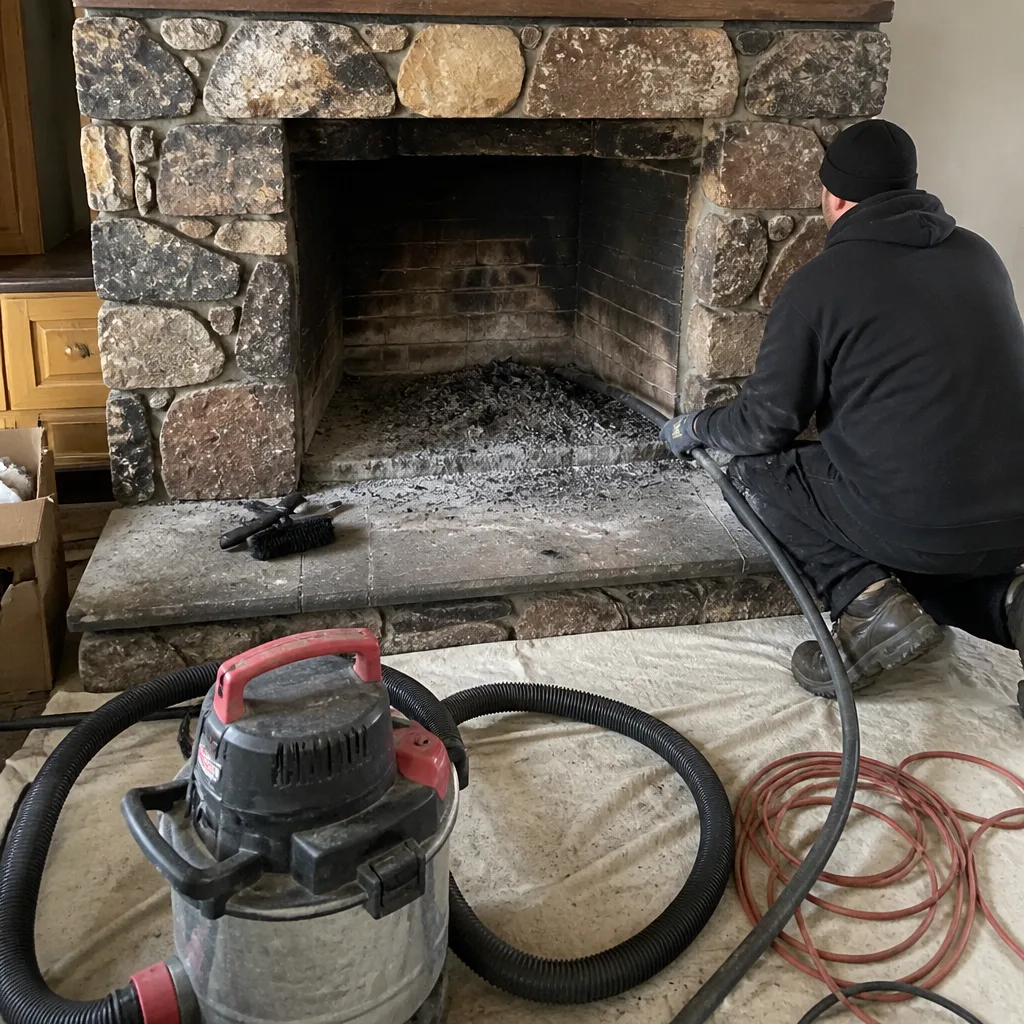 Before
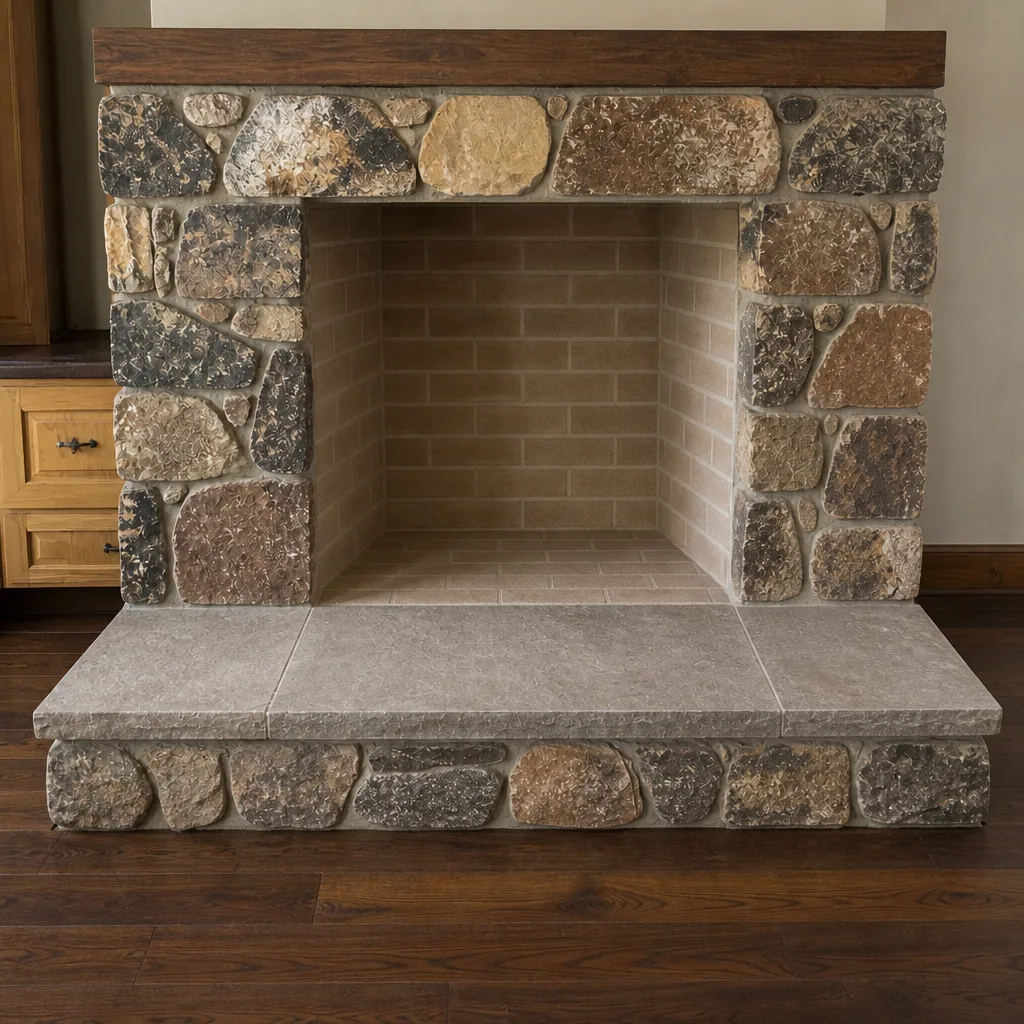 After
When to Call a Professional
Call a professional when you see glazed creosote, when smoke rolls or spills instead of drafting, when you smell a campfire with the fireplace off, when you hear popping from the flue or ticking during cool-down, or when the exterior shows efflorescence, dark streaks, or crown cracking. Also call if you’ve been told by an inspector or insurer that the chimney needs attention, or if it’s simply been a while and you’re about to start your first fire of the season. These are safety assessments, not upsells. Marysville Chimney Sweep offers free estimates in Marysville. Call (877) 820-9607. We answer 24/7. Fast dispatch from 7am to 7pm, Sunday through Friday.
Frequently Asked Questions
A standard sweep is quoted per job after we see the flue, and the estimate is free. We set the final price in a written estimate before any work, so you know the number before we start. The written estimate sets the final price. Call (877) 820-9607 for an exact quote.
You only need a new liner if the camera shows the existing one is cracked or failed. We run a camera and share the photo report so you can see the condition yourself. HeatShield resurfacing can sometimes restore a cracked liner without full replacement, so the liner isn’t always the answer even when there’s damage. Nothing gets recommended without evidence you can see. Call (877) 820-9607 if you want a second opinion.
It depends on how much and what you burn. Households with heavy winter burning or softwood firewood build creosote faster and need sweeping sooner. An annual inspection tells you when your flue is due rather than guessing on a schedule. Call (877) 820-9607 for an inspection that measures your actual buildup.
Creosote keeps accumulating, and at Stage 3 it’s concentrated fuel that can ignite in the flue. Even a small chimney fire can crack a liner, and a cracked or blocked flue is a carbon monoxide concern. Skipping the sweep is a quiet risk rather than an immediate one, which is exactly why it’s easy to put off. Call (877) 820-9607 to get it checked before burning season.
A campfire smell with no fire burning is a negative-pressure backdraft, meaning air is moving down the flue instead of up. It can come from a cold flue, a blocked flue, or a tightly sealed house pulling air down the chimney. It’s a draft failure worth an inspection, and it sometimes indicates a compromised flue. Call (877) 820-9607 to have it assessed.
We don’t recommend it. The flue is out of sight from the hearth, and a homeowner brushing blind can miss Stage 2 and Stage 3 creosote and any liner damage underneath, which is the part that actually matters. The camera inspection is what makes the cleaning meaningful. Call (877) 820-9607 and let a trained technician assess it.
The Bottom Line
The earliest chimney warnings are visible and smellable from inside your home: a campfire odor when cold, lazy or rolling smoke, glazed creosote in the firebox, white staining on the brick, a cracked crown, popping in the flue, or ticking during cool-down. Any one is reason to stop burning and book an inspection. The camera is what turns a warning sign into a known condition, and the photo report lets you see the evidence for yourself. Most Marysville chimneys are fine; the value is knowing which yours is. If you’ve been told your chimney needs attention or you’re about to light the first fire of the season, we’re glad to take a look.
Marysville Chimney Sweep handles the full lifecycle: sweeping, inspection, fireplace and chimney repair, and cap and crown installation. We work with professional-grade materials from brands the trade relies on, and we name what we install. Marysville homeowners can reach us at (877) 820-9607 for a free estimate. We answer 24/7. Fast dispatch from 7am to 7pm, Sunday through Friday. For a closer look at our core service, see chimney inspection and chimney cap and crown installation.
Written by the team at Marysville Chimney Sweep.