
Last updated November 25, 2026
 Sweep & inspection
 Caps & crowns
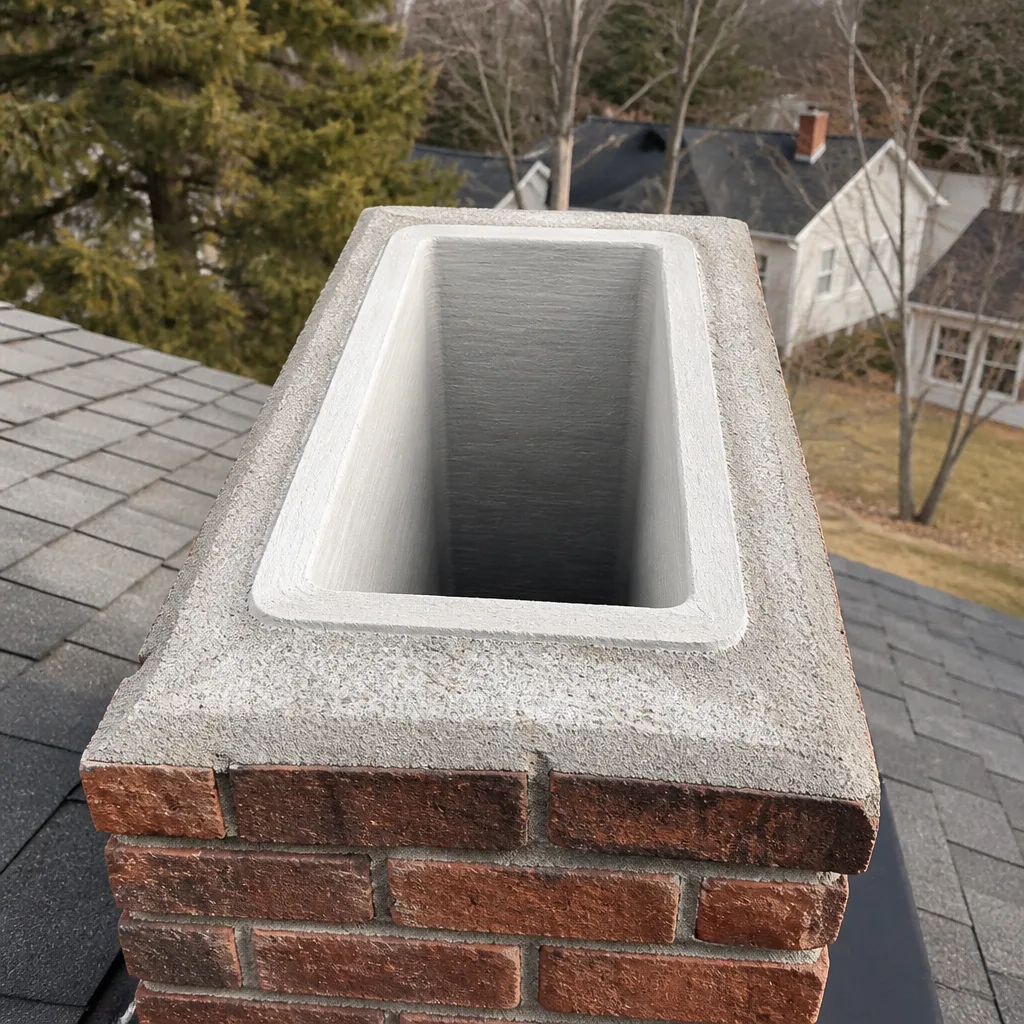 Flue relining
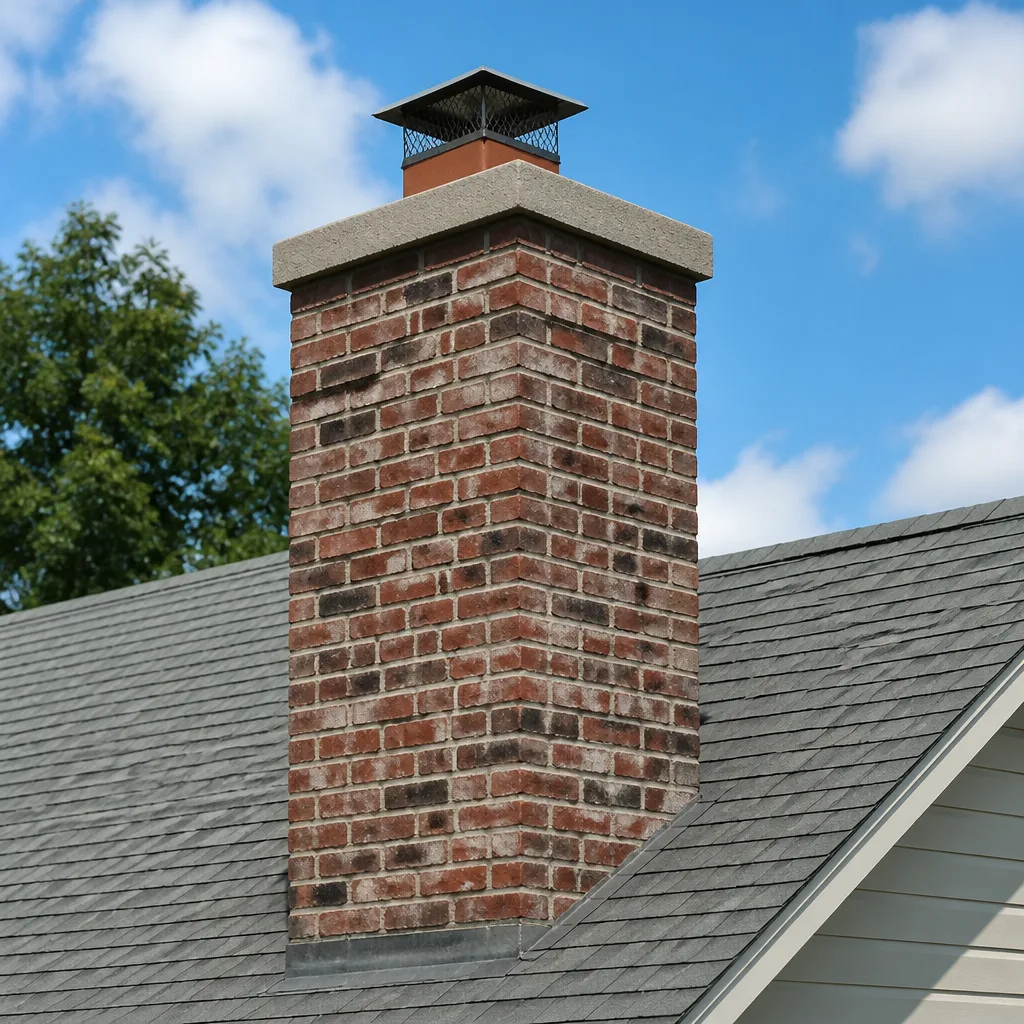 Masonry repair
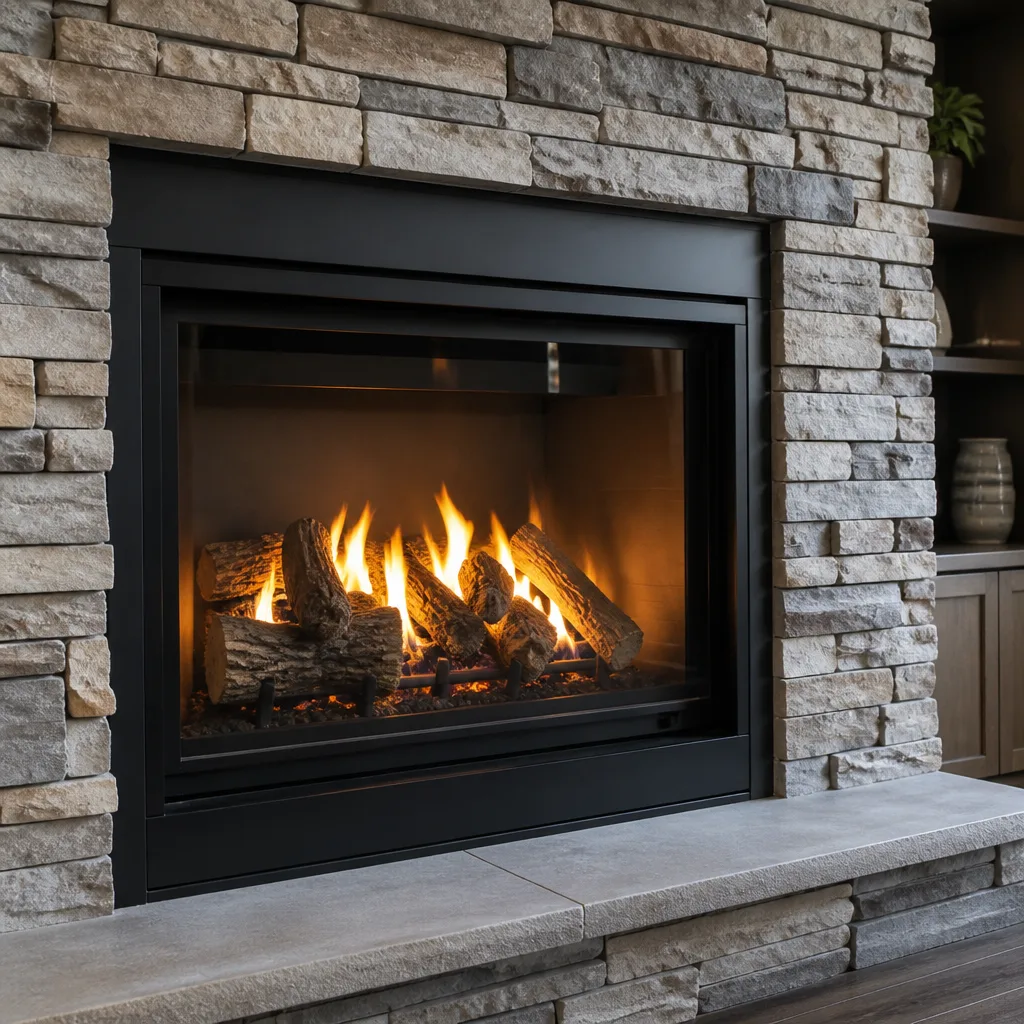 Gas fireplace service
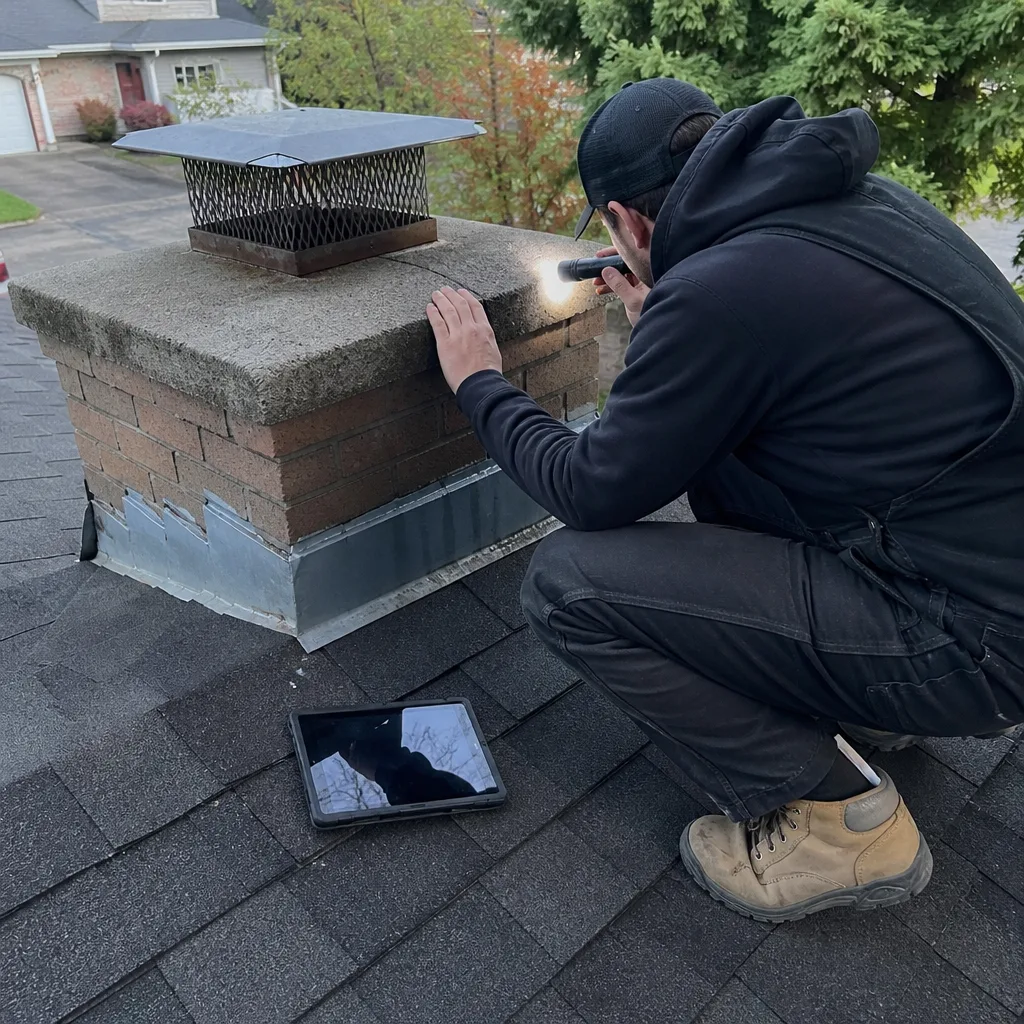
Level 1 sweep and inspection to the NFPA 211 annual standard - flue, crown, cap, and flashing checked and photographed
Chimney sweep logs do not sweep chimneys. They loosen some creosote - which then falls where a brush and vacuum still have to collect it.
How to Hire a Chimney Cleaning Contractor in Marysville: A Step-by-Step Guide
Most homeowners hiring a chimney sweep ask the wrong first question. They ask about price. The question that actually protects your house is duller and more useful: is this a chimney specialist, or a handyman who bought a brush set and watched a few videos? In Marysville, that distinction matters more than it should, because a dirty flue looks the same whether it’s serviced by someone who understands draft, creosote grades and flue tile geometry or someone who doesn’t. CSIA certification won’t guarantee a flawless job, but its absence in a Washington chimney contractor is a concrete red flag, and almost nobody thinks to ask. This guide hands you the exact questions that separate the two before anyone climbs onto your roof.
Quick Answer
To hire a chimney cleaning contractor in Marysville, verify three credentials before booking: CSIA certification, proof of liability insurance, and active Washington state business registration. Then require a written scope of work produced after someone has actually looked at your chimney, and ask what the quoted service explicitly excludes. A legitimate sweep inspects before quoting, puts the scope in writing, and never pressures you to schedule on the spot.
Styles & brands we work with
- Sweep & inspection
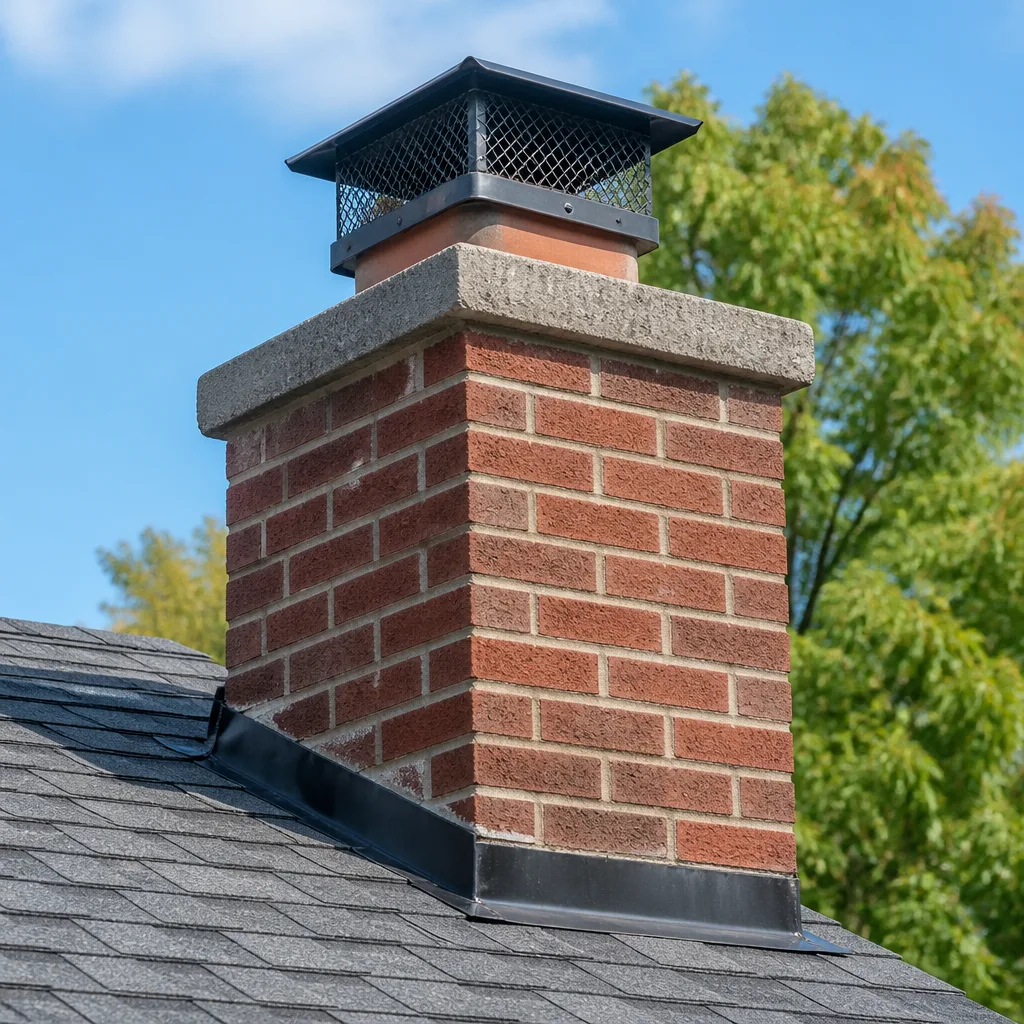
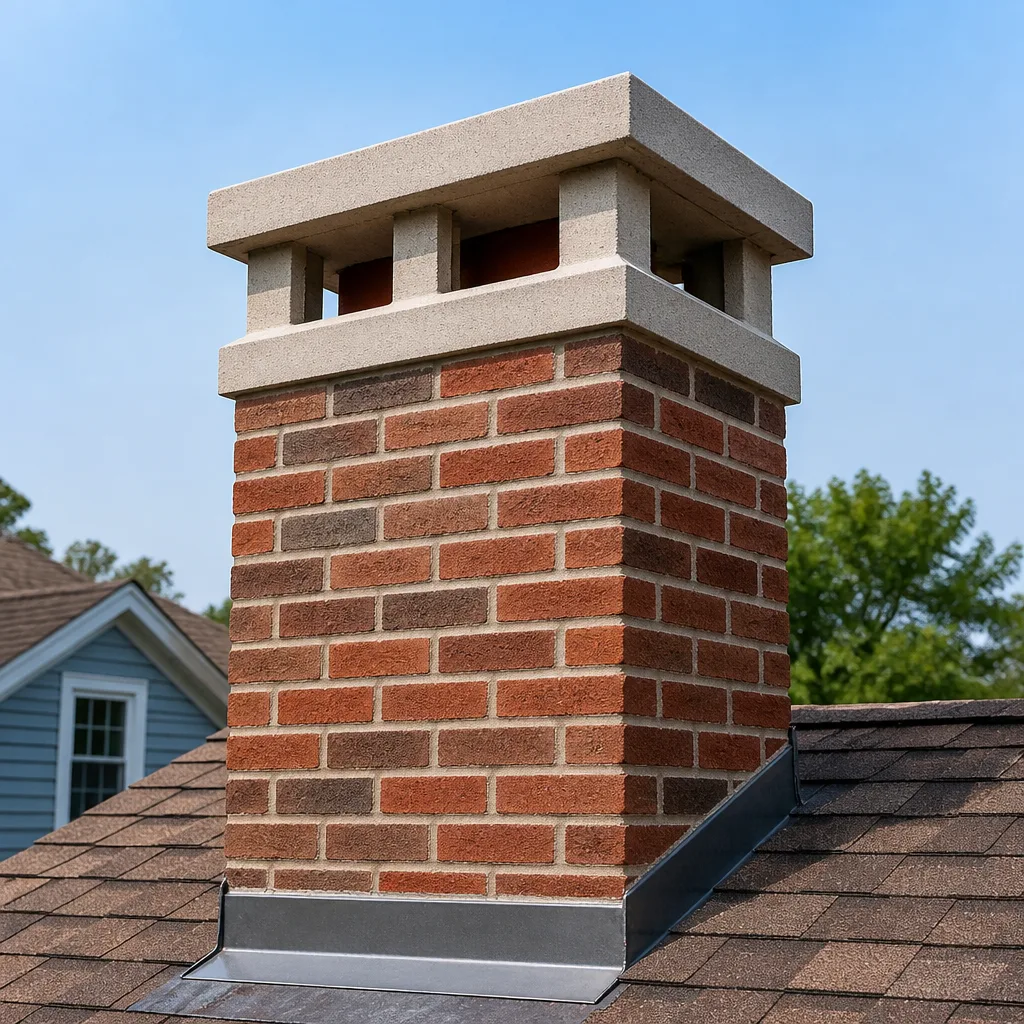
- Caps & crowns
- Flue relining
- Masonry repair
- Gas fireplace service
Table of Contents
- Why Hiring Correctly Matters More in Marysville
- The Three Credential Questions to Ask Before Booking
- What a Legitimate Estimate Process Looks Like
- How to Read Online Reviews for Chimney Services
- The Scope-of-Work Question That Surfaces Hidden Exclusions
- Red Flags in the Booking Process
- What a Proper Sweep Actually Involves
- When the Job Goes Beyond Cleaning
Why Hiring Correctly Matters More in Marysville
Marysville sits in the Puget Sound lowland, which means a long, wet heating season and homes that burn steadily from October into spring. That pattern produces creosote build-up faster than occasional burning does. It also means chimney exteriors here take a constant moisture beating from rain, and water intrusion is behind the majority of chimney structural failures we see. Both problems are quiet. Neither announces itself with a smell or a noise until it’s advanced.
The result is that a chimney contractor’s job in Marysville isn’t just removing soot. It’s reading the whole system: the flue, the crown, the cap, the flashing, the firebox. A sweep who only cleans and leaves has done maybe half the work, and you won’t know which half was skipped.
This is why the hiring process deserves more care than picking the first name that appears in a search. A cheap sweep who misses a cracked flue tile costs you far more than the difference in price between one contractor and another. Here at Marysville Chimney Sweep, we’ve walked into enough homes where a previous “cleaning” left problems untouched to know the pattern.
Our technicians have up to 12 years of experience, and the single most common thing they find isn’t heavy creosote. It’s a homeowner who had no idea what the last person actually did up there. That’s the gap this guide closes.
The Three Credential Questions to Ask Before Booking
Three credential questions separate a trained specialist from a generalist, and you can ask all three on the phone in under two minutes. A professional answers them without hesitation. A handyman hedges.
- Are you CSIA certified? The Chimney Safety Institute of America certifies sweeps through an exam and requires continuing education to stay certified. Ask for the certification and don’t be shy about verifying it. Certification isn’t a quality guarantee, but its absence in a working chimney contractor is a real warning sign.
- Can you show proof of liability insurance? Chimney work happens on roofs and involves ladders, tools and interior access. If something goes wrong, you want the contractor’s insurance covering it, not your homeowner’s policy. Ask for a certificate of insurance before the appointment.
- Are you registered as a business in Washington state? Washington requires businesses to register with the Department of Revenue and hold a Unified Business Identifier. A contractor who can’t provide a UBI number is operating informally, and that shifts risk onto you.
None of these questions are rude. A serious contractor expects them and usually has the answers ready. If a company bristles at being asked for insurance proof, that reaction tells you more than any review could.
One related note: a chimney specialty company handles the chimney system and nothing else. We don’t do general HVAC, roofing or masonry outside the chimney, and you should be suspicious of anyone who offers to tack chimney work onto a roof repair or a gutter job. Chimney work is its own trade with its own materials and its own failure modes.
What a Legitimate Estimate Process Looks Like
Any quote given without someone seeing your chimney is a pricing trap. Not always a dishonest one, but a trap regardless: flue size, liner condition, creosote level, cap presence and crown condition all change the work, and none of them can be assessed over the phone. A number quoted sight-unseen is a number that gets revised upward once the technician is standing in your living room.
Here’s how a legitimate estimate process runs in Marysville:
- Someone looks first. Either at the appointment or through photos and a clear description, the contractor establishes what’s actually in the flue before quoting.
- The scope is written. You get a written scope that names what will be done, not a verbal “we’ll sweep it and check it out.”
- The estimator explains what they found. A good estimate walks you through the flue condition, the creosote level and the state of the cap and crown.
- Nothing is recommended without evidence. If repair work comes up, you should be shown what prompted it, not told to take it on faith.
- The written estimate sets the final price. Any range discussed beforehand is an estimate; the written document is the price.
If a contractor quotes you a flat number over the phone and won’t put anything in writing, the missing document is the whole problem. You can’t compare a written scope against a phone number, and that’s the point of insisting on one.
When you’re ready for that first look, a chimney sweep visit is the right starting point, and the estimate that comes with it should be free.
How to Read Online Reviews for Chimney Services
Most chimney reviews are useless, and it’s not the reviewers’ fault. “Great job, very professional, would recommend” tells you the person showed up and was pleasant. It tells you nothing about whether the sweep covered your floors, whether the inspection was real, or whether the crew knew what they were looking at.
Here’s what to hunt for instead:
- Technically specific reviews. Someone mentioning that the crew found a cracked flue tile, or explained creosote staging, or showed photos before recommending a repair. Specificity means the reviewer understood what was done.
- Reviews that mention diagnosis over sales. “They told me the chimney was fine and I didn’t need the extra work” is a stronger signal than any five-star praise.
- Reviews about the estimate process. Look for mentions of a written estimate or a scope that was explained before work started.
- Reviews that name what was installed. If a repair involved a liner, a cap or a crown, a technical review will often mention which product or approach. That’s evidence the customer saw the details, not just the invoice.
- Pattern in negative reviews. One unhappy customer is noise. Several reviews mentioning pressure, vague pricing or skipped inspections is a signal about how the business runs.
What you can mostly ignore: star averages without text, reviews that only mention speed, and anything that reads like it was written by the same person with different names. Read for technical detail, and you’ll cut the noise quickly.
The Scope-of-Work Question That Surfaces Hidden Exclusions
Ask any contractor the same question before booking: what’s NOT included in this quote? Almost nobody asks it, and it’s the fastest way to surface what you’re actually buying.
Chimney services vary widely in what “sweep” means. For one company, it’s brushing the flue and nothing else. For another, it includes a basic inspection, a brush and a camera look, a photo report and a cap check. The gap between those two is where homeowners get caught.
Ask specifically:
- Does the sweep include a visual inspection of the flue, firebox, crown and cap?
- Is a photo report provided, or just a verbal summary?
- Is a camera inspection included, or is that an extra line item?
- Are any repairs charged separately, and who decides whether they’re needed?
- Is hauling away debris part of the service?
- Is the cap inspected and reattached, or left to you?
Here at Marysville Chimney Sweep, inspection is a standalone service, which means we treat it as a distinct safety assessment, not a sales opportunity wrapped around a cleaning. You can book it for a real estate transaction, a pre-heating-season safety check or after a storm, without a sweep tied to it. That separation is worth asking about: it tells you whether “inspection” means anything at a given company or is just a word in the ad copy.
Red Flags in the Booking Process
Most hiring mistakes get made in the ten minutes before a contractor books the appointment. Here’s what should make you slow down:
- Pressure to schedule immediately. A real chimney problem is rarely a today problem. If you’re being told to book now or risk something, ask why in writing. Urgency as a booking tactic is a warning.
- Refusal to provide a written scope. If they won’t put it in an email or on paper, they won’t be accountable to it. Any legitimate business can send a scope.
- Vague descriptions of “inspection.” If you ask what the inspection covers and the answer is “the whole chimney,” you haven’t gotten an answer. Ask whether it’s a visual check, a camera inspection, or both.
- Quotes without a visit. A firm price over the phone, sight unseen, is a bid with an asterisk, always.
- No CSIA certification, no insurance proof, no business registration. Ask all three. Hesitation on any of them is a stop sign.
- Offers to handle “everything” outside the chimney. If the contractor also wants to patch your roof, fix your gutters and handle general HVAC, they’re not a chimney specialist.
The right contractor will make you wait for the estimate, put everything in writing and tell you plainly what’s needed versus what can wait. That’s the standard you’re buying.
What a Proper Sweep Actually Involves
A proper sweep is a controlled process, not a brush and a bugle. In Marysville, the job usually runs like this:
- Interior setup. Drop cloths, a containment seal around the firebox and a shop vac fitted with HEPA filtration. Nothing on your floor or furniture should get dusted with soot.
- Flue access and brushing. The flue is swept from the top or bottom depending on the setup, using the correct brush for the flue material. Liner type dictates brush type.
- Creosote staging check. The technician notes whether creosote is stage one, two or three. Stage three glazed creosote is a fire risk and requires more than a sweep.
- Visual inspection of the flue and firebox. Cracked tiles, gaps at the mortar joints, deteriorated firebox brick and damaged dampers all get flagged.
- Crown, cap and flashing check. On the roof, the technician looks at the crown for cracks, the cap for proper fit and the flashing for gaps.
- Report. Anything found is explained, ideally with photos, and separated into “needs attention now” and “watch it over time.”
Not included in that list: climbing onto a steep roof without the right safety setup, or accessing a flue blocked by a badly seated cap. Height work is genuinely dangerous. If your roof is steep, high or has limited access, that changes the job, and a professional will say so instead of improvising.
If the flue turns out to have a cracked tile, the conversation moves to chimney repair, and you should expect the recommendation to come with visible evidence, not a verbal description.
When the Job Goes Beyond Cleaning
Chimney cleaning is the entry point. The reason hiring a specialist matters is what happens when the sweep turns up something else.
A handyman company will clean the flue and hand you a list of referrals for the rest. A chimney specialist carries the whole job: sweep, inspection, fireplace work, structural repair, and cap and crown installation. Here at Marysville Chimney Sweep, the five core services run the length of that list, so a single company does the checking, the doing and the follow-up.
A few areas where this matters more than you’d expect:
- Liners. We work with DuraFlex and HeatShield. HeatShield lets us resurface cracked flue tiles in certain cases instead of replacing the entire liner, a cost-saving repair that sweep-only competitors can’t offer.
- Caps and crowns. We install Gelco and Olympia Chimney caps and rebuild crowns where water has gotten in. Water is a chimney’s worst enemy, and a properly installed cap and crown are its first defense.
- Fireplace repair. Dampers, firebox brick, mortar joints. If the fireplace needs work, fireplace repair belongs in the same visit rather than a separate call to another contractor.
We name what we install, from Gelco and Olympia Chimney to Copperfield and Famco. That matters when you’re comparing quotes, because “a new cap” means nothing unless you know what cap, and the material quality varies a lot.
Common Mistakes to Avoid
- Booking on price alone. The cheapest sweep in Marysville is usually the one with the least to check. A $30 difference is nothing next to a missed flue crack.
- Not asking what “inspection” includes. “We’ll take a look” is not an inspection. Ask whether it’s a visual check, a camera inspection, or both, and whether a photo report is provided.
- Skipping the CSIA question. It’s a two-second question and the answer separates trained sweeps from hobbyists. Most homeowners never ask it, which is exactly why you should.
- Accepting a quote over the phone. A number quoted without a visit is a guess. Ask for a written estimate after the visit and compare scopes, not just totals.
- Scheduling on urgency. “We have an opening today only” is a sales tactic. Chimney work is almost never an emergency decision.
- Ignoring the exterior. A sweep that doesn’t check the crown, cap and flashing has only done interior work. In Marysville’s wet climate, exterior inspection is half the reason to book.
- Treating inspection as a sales call. It’s a safety assessment. If the recommendation feels bigger than the visible problem, ask for the evidence. You’re entitled to see what prompted it.
See the difference
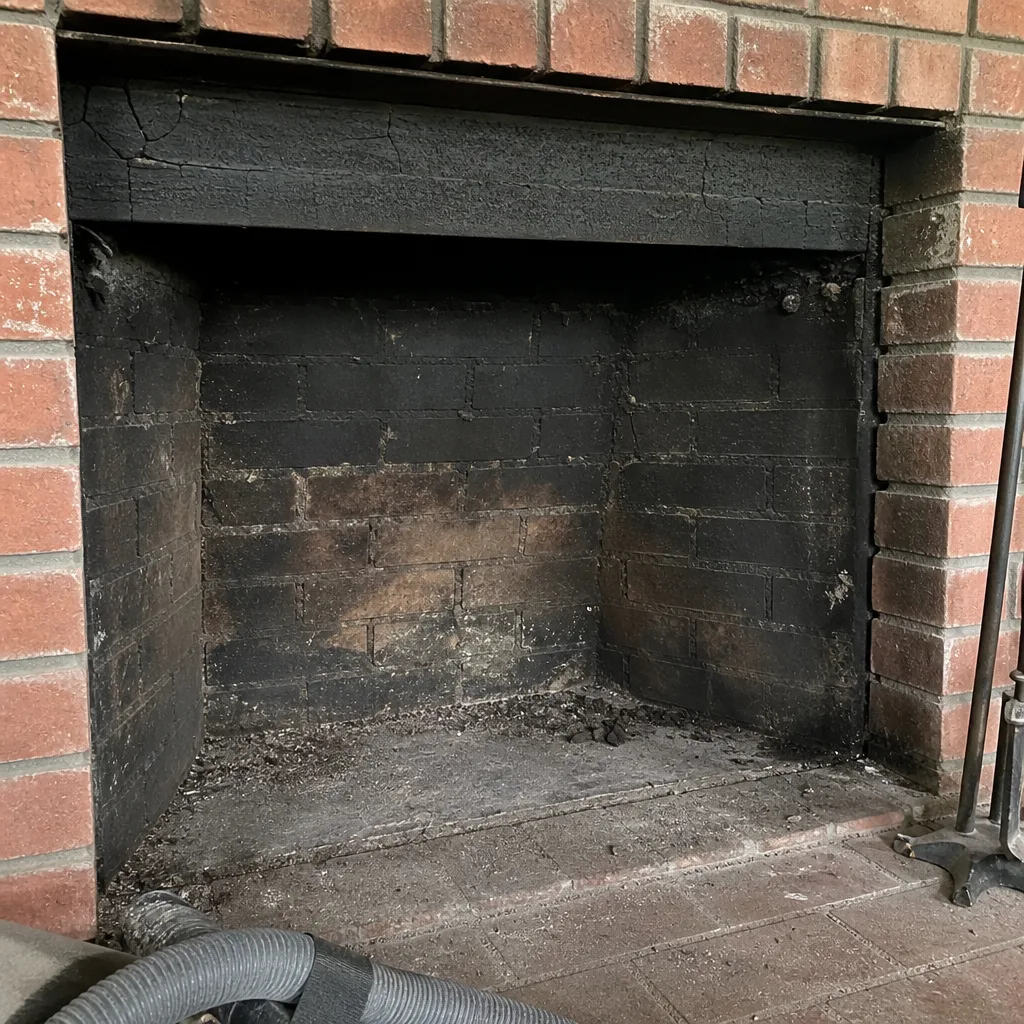 Before
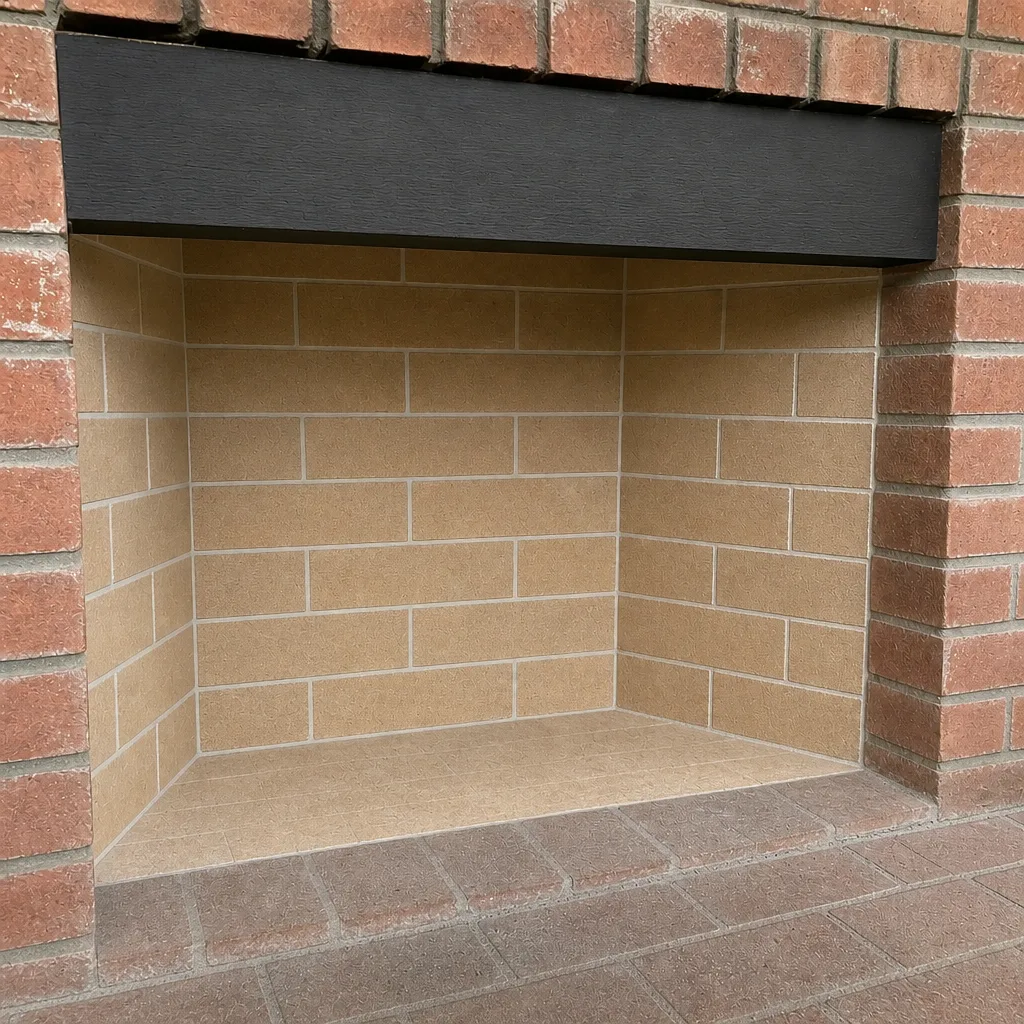 After
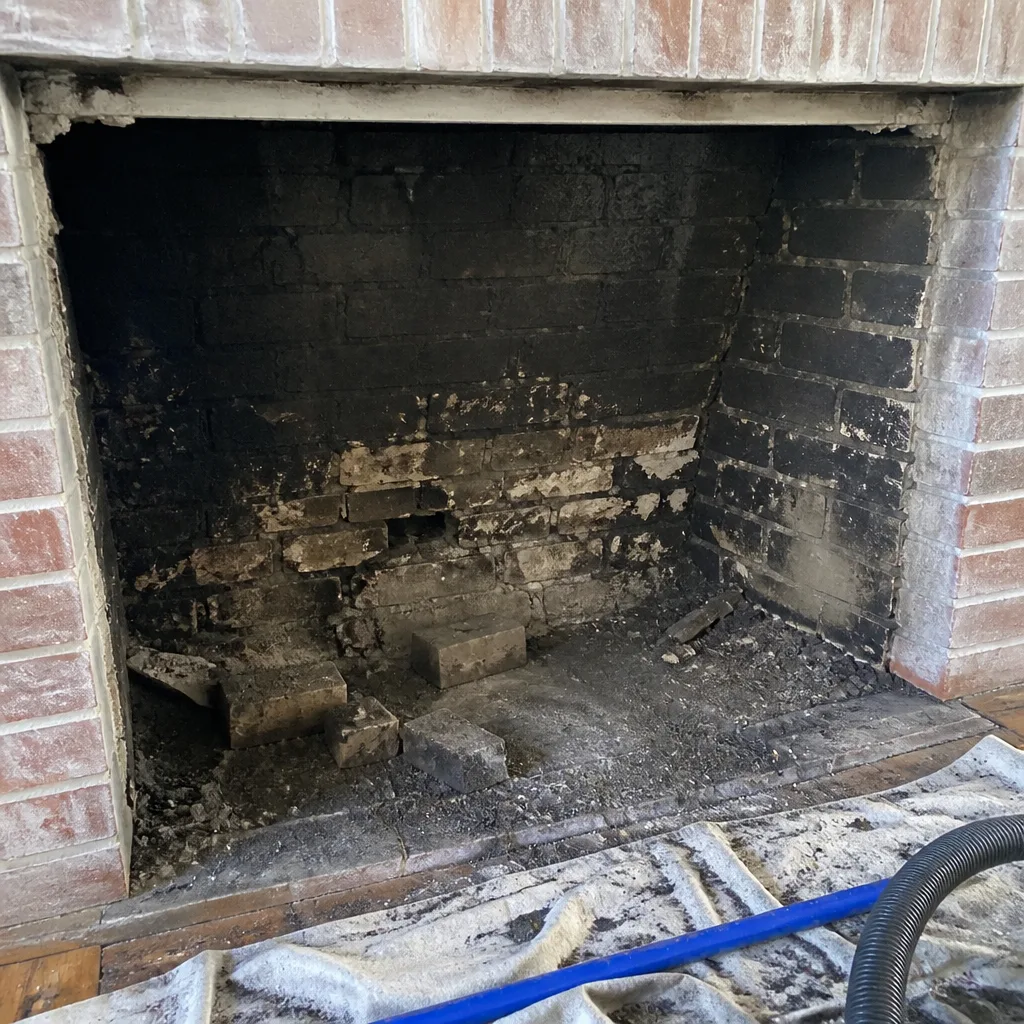 Before
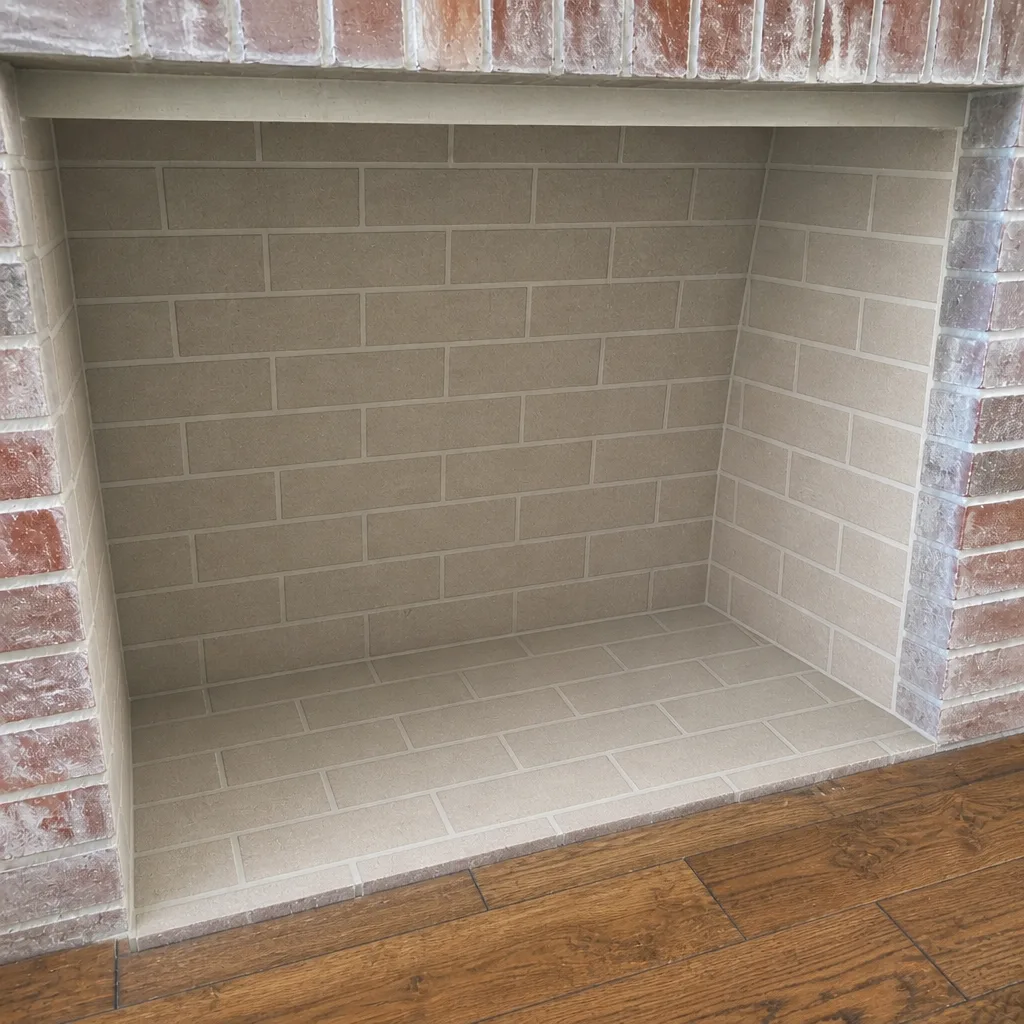 After
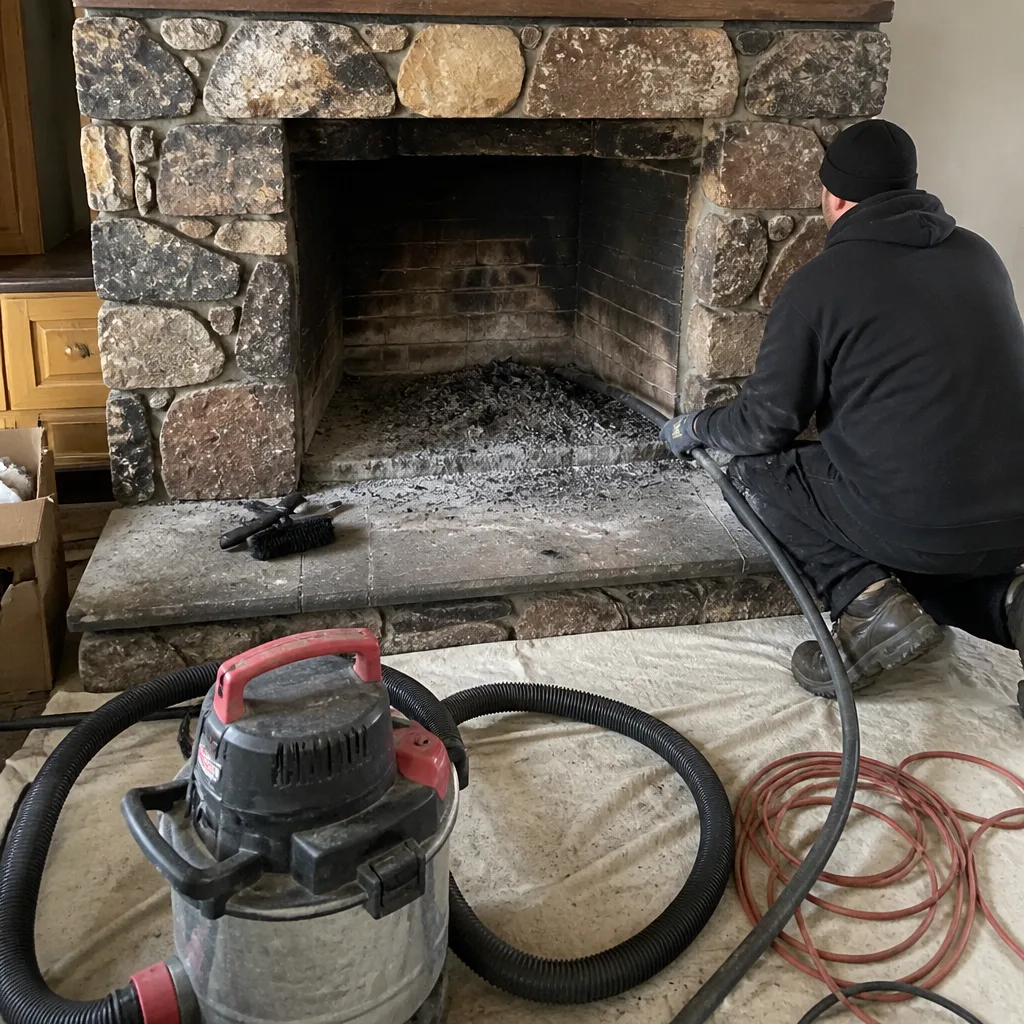 Before
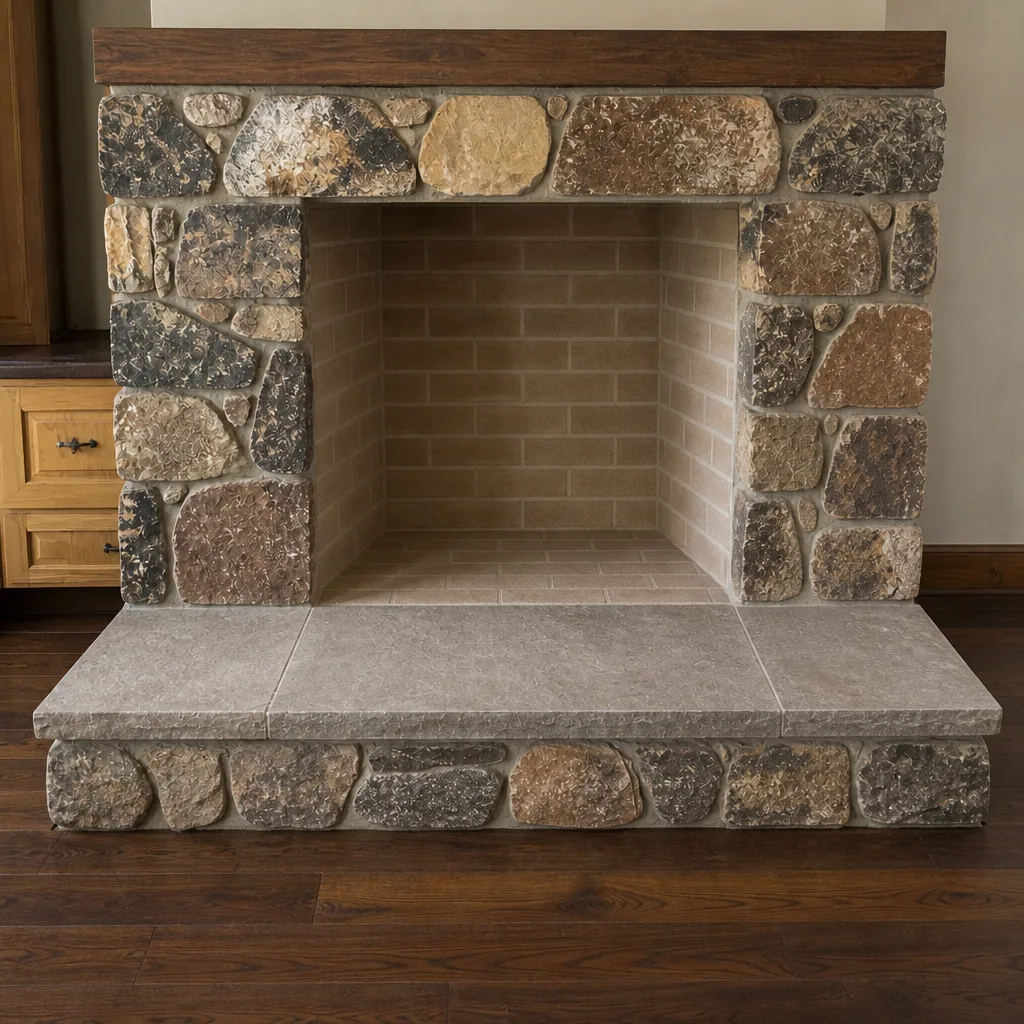 After
When to Call a Professional
Any of these situations warrants a call rather than a wait:
- You burn wood regularly and haven’t had the chimney swept in the past year.
- You’re buying or selling a home in Marysville and the inspection needs to happen before closing.
- A storm has passed through and you suspect damage to the cap, crown or flashing.
- You’ve noticed smoke backing into the room, a strong creosote smell or staining on the chimney exterior.
- Your insurance company or a home inspector has flagged the chimney.
- You’re switching from wood to gas, or vice versa, and need the flue checked for the new setup.
Safety is the real reason to act. A chimney fire works through creosote that’s been building quietly, and a blocked or damaged flue can send carbon monoxide into the house. Those risks are real, but they’re not a reason to be pressured. They’re a reason to book a proper inspection with someone who can show you what they find.
Marysville Chimney Sweep offers free estimates in Marysville. Call (877) 820-9607. We answer 24/7. Fast dispatch from 7am to 7pm, Sunday through Friday.
Frequently Asked Questions
A routine chimney sweep in Marysville is typically an estimate-based service priced per job, and the written estimate sets the final price after someone has assessed the flue. The range depends on flue size, creosote level, roof access and whether a camera inspection is included. Call (877) 820-9607 for an exact quote. Estimates are free.
The CSIA recommends an annual inspection, with a sweep whenever creosote has accumulated to about 1/8 inch or more. Homes that burn wood steadily through Marysville’s long heating season often need a sweep every year. Homes that burn occasionally can stretch that, but the inspection should still happen annually.
Not always, and that’s the point of getting the diagnosis right. A cracked flue tile doesn’t automatically mean a full liner replacement. HeatShield ceramic resurfacing can restore certain deteriorating tiles without pulling the whole liner, and that’s a repair worth asking about before committing to a larger job. Ask to see the evidence before deciding. Call (877) 820-9607 for an exact quote. Estimates are free.
Creosote builds up, and at higher stages it becomes flammable and can fuel a chimney fire. A blocked or damaged flue can also allow carbon monoxide into the home instead of venting it outside. Neither problem is visible from the living room, so skipping a sweep means skipping the check that catches them. Call (877) 820-9607 for an exact quote. Estimates are free.
Ask three questions: Are you CSIA certified? Can you show proof of liability insurance? Are you registered as a business in Washington state? A legitimate contractor answers all three without hesitation and can put the scope of work in writing. Any contractor who can’t answer all three is a risk worth not taking.
Yes. Inspection is a standalone service, which means you can book it for a real estate transaction, an insurance requirement or a post-storm check without a sweep attached. That separation is intentional. An inspection is a safety assessment, not a sales call. Call (877) 820-9607 for an exact quote. Estimates are free.
The cap sits on top of the flue to keep rain, animals and debris out while letting exhaust escape. The crown is the concrete surface at the top of the chimney that sheds water away from the masonry. Both matter in Marysville’s wet climate, and both are among the first things we check during a sweep or inspection. Water intrusion is behind most chimney structural failures, and these two components are the first line of defense.
Often yes. A cracked crown can sometimes be repaired or resurfaced, and flashing gaps can be resealed. The form of repair depends on what’s actually failing, which is why the inspection needs to identify the source of the leak before anyone recommends a solution. Any repair recommendation should come with evidence you can see. Call (877) 820-9607 for an exact quote. Estimates are free.
The Bottom Line
Hiring a chimney cleaning contractor in Marysville comes down to what you verify before anyone climbs the roof. Ask the three credential questions: CSIA certification, liability insurance, and Washington business registration. Require a written scope of work and a free estimate, and remember that the written estimate sets the final price. Ask what’s excluded from the quote, because that’s where surprises hide. Read reviews for technical detail, not politeness. And walk away from pressure, verbal-only scopes and vague “inspections.” You’re not buying a service. You’re buying a safety assessment on the part of your house the rest of the world never sees.
Marysville Chimney Sweep handles the full chimney system, from the first sweep through liner repair, fireplace repair, inspection and cap and crown installation. Call (877) 820-9607 for a free estimate. We answer 24/7. Fast dispatch from 7am to 7pm, Sunday through Friday.
Written by the team at Marysville Chimney Sweep.