
Last updated November 25, 2026
 Sweep & inspection
 Caps & crowns
 Flue relining
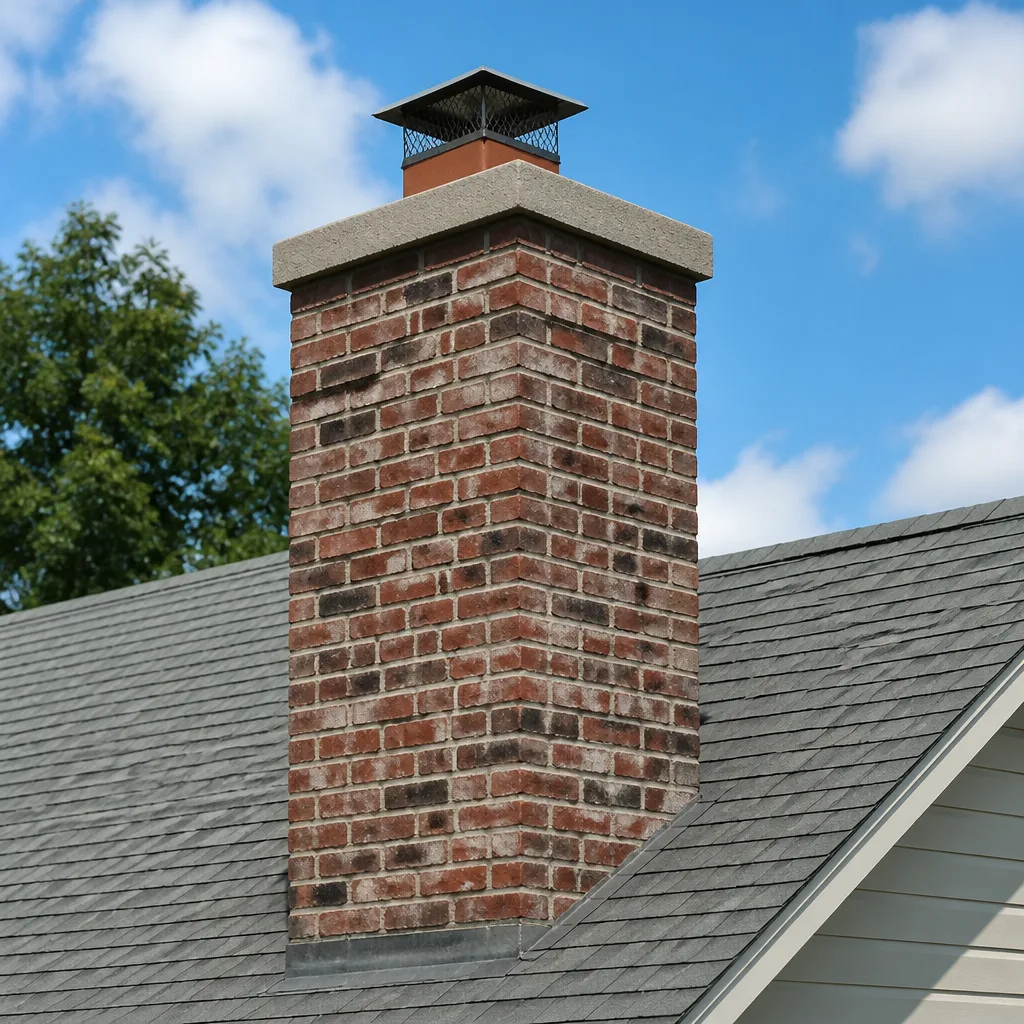 Masonry repair
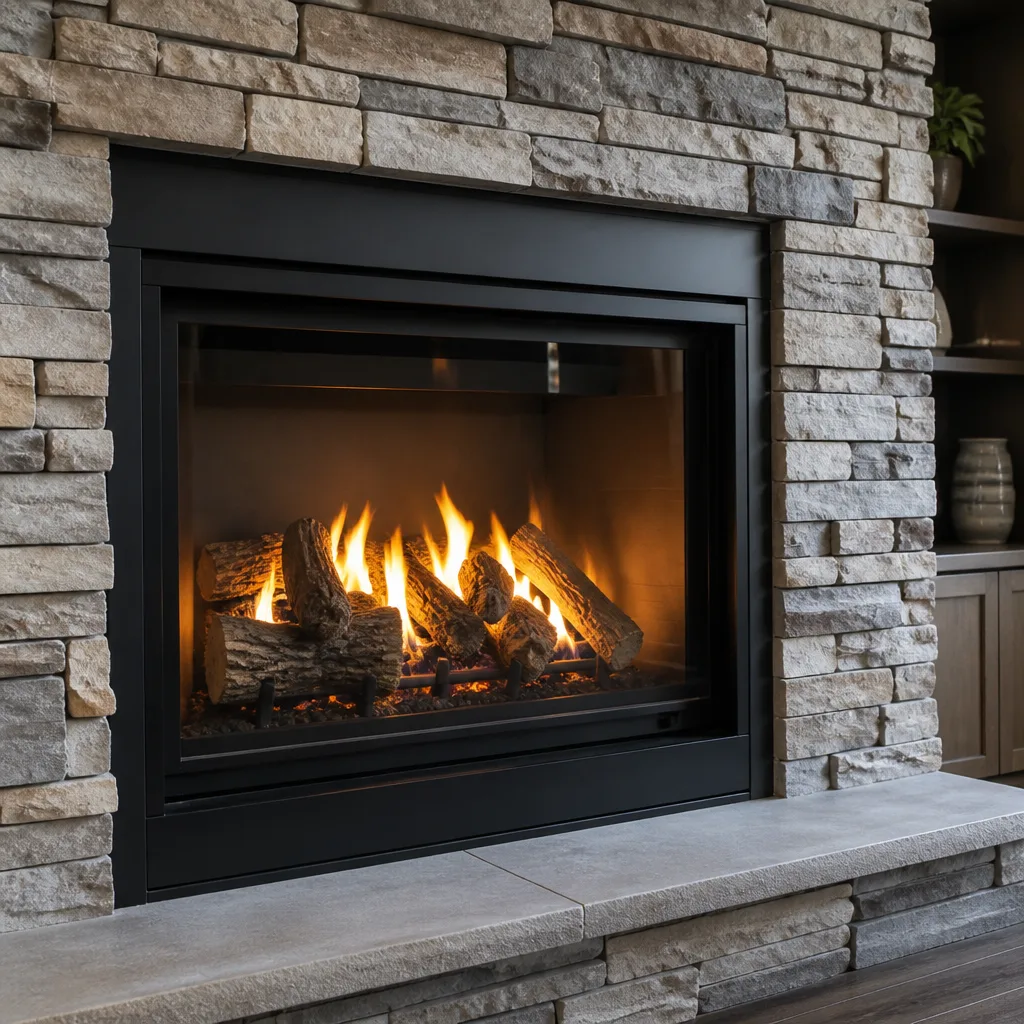 Gas fireplace service
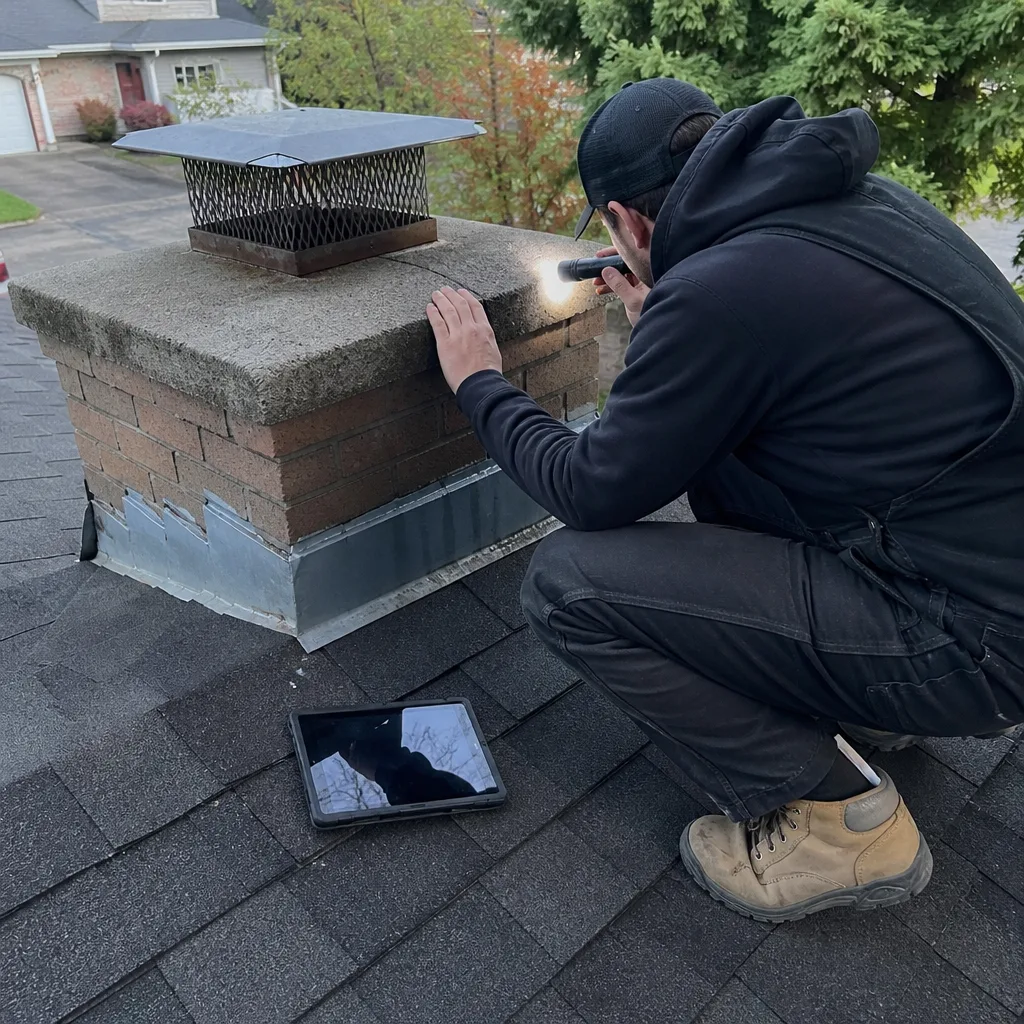
Level 1 sweep and inspection to the NFPA 211 annual standard - flue, crown, cap, and flashing checked and photographed
Chimney sweep logs do not sweep chimneys. They loosen some creosote - which then falls where a brush and vacuum still have to collect it.
Chimney Cleaning Emergency Preparedness Guide for Marysville Homes
Most people picture a chimney fire the way it looks in a movie: flames shooting from the top of the house. From inside the room, that’s not how it usually starts. A chimney fire can burn at over 2,000°F inside the flue while the fireplace looks perfectly normal, and the first thing a homeowner notices is often a low roar that sounds like a freight train passing through the wall. By the time flames are visible, the fire has been building for a while. This guide covers what a chimney fire actually looks and sounds like from where you’re standing, the three steps to take in the first two minutes, and why a chimney that survives a fire still can’t be used until it’s inspected. It’s written for Marysville homes, where wet wood and older masonry flues make the risk concrete.
Quick Answer
If you suspect a chimney fire, close the air supply to the firebox, get everyone out of the house, and call 911 from outside. Do not open the damper or the firebox door to check, since the rush of oxygen can feed the fire. After any chimney fire, the chimney cannot be used again until a camera-based inspection confirms the liner and mortar joints are intact.
Styles & brands we work with
- Sweep & inspection
- Caps & crowns
- Flue relining
- Masonry repair
- Gas fireplace service
Table of Contents
- How to Recognize a Chimney Fire From Inside the House
- The First Two Minutes: Three Steps to Take
- Why You Never Open the Damper to “Check”
- What a Chimney Fire Does to a Masonry Chimney
- Post-Fire Protocol: Why the Chimney Stays Off Until It’s Inspected
- Why Marysville Homes Run Higher Risk
- Building an Emergency Kit and a Pre-Season Plan
How to Recognize a Chimney Fire From Inside the House
Chimney fires don’t announce themselves the way a kitchen fire does. There’s no alarm wired to the flue, and from inside the living room the fire can be almost silent. In our experience, the signs split into three groups: what you hear, what you smell, and what you see.
What you hear
- A low rumbling or roaring sound, often compared to a freight train or a distant jet, coming from the chimney or the wall behind the fireplace.
- Repeated popping or clicking, which is the sound of creosote or metal liner components expanding rapidly under heat.
- A change in the draft: a fireplace that was drawing normally suddenly sounds like it’s pulling hard, like a vacuum.
What you smell
- A sharp, acrid, chemical smell that’s different from the normal woodsmoke aroma – this is the odor of overheated creosote and burning soot.
- A hot, dry, metallic smell, especially in homes with stainless liners.
What you see
- Puffs of black or gray smoke escaping from joints in the pipe, from the fireplace surround, or from hairline cracks in the masonry above the firebox.
- Discolored or warped metal at the top of the firebox, or a glowing damper.
- From outside, dense smoke and sparks from the chimney top. Inside, the room may look entirely normal – that’s the trap.
A fire that only shows smoke from the chimney top isn’t necessarily a chimney fire, but it’s a signal to stop burning and get the flue looked at. When we do a chimney sweep in Marysville, the most useful thing we can tell a homeowner is what to look for before they ever need this knowledge. Ask during the appointment.
The First Two Minutes: Three Steps to Take
The order matters, and so does the speed. The following sequence is what fire departments teach, and it’s what we point homeowners to when they ask how to prepare.
- Close the air supply to the firebox. Shut the glass doors if the fireplace has them. Close any combustion air vents feeding the fire. If the damper is already open, leave it open – closing it now can push smoke and heat into the room, and the fire is already in the flue. The goal is to stop feeding oxygen into the firebox. A woodstove should have its intake damper closed.
- Get everyone outside and call 911. Call from outside the house. Tell the dispatcher it’s a chimney fire, since that changes what the responding crew brings with them. Don’t stop to grab belongings beyond what’s already on you.
- Stay out. Don’t return for anything. Even a fire that seems to be dying down can have burning creosote re-ignite in the flue, and masonry can be structurally compromised even when the fire is out.
If the fire is small, contained, and the chimney isn’t near combustibles, some fire departments will advise using a chimney fire extinguisher (a chimney bomb) before they arrive – but only if you have one and the dispatcher confirms the approach. Don’t improvise with water in a hot masonry flue, which can crack tiles, and don’t spray a hose into the firebox.
Why You Never Open the Damper to “Check”
It’s the most common instinct, and it’s the one that makes a survivable emergency turn serious. When the damper is closed and the flue is under a chimney fire, opening it floods the firebox with oxygen from the room. Creosote that was smoldering suddenly gets the fuel it needs, and the fire can flare with a backdraft into the room. The firebox door and glass doors have the same effect.
The second problem is heat. A chimney fire can hit temperatures above 2,000°F inside the flue. Opening the damper lets that heat radiate into the firebox, where nearby wood framing, mantels, and the drywall around the surround begin to see temperatures they weren’t designed for. Studies of house fires consistently find that chimney fires start house fires at the point where the flue passes through combustible framing – the chimney chase, attic, or roof line.
If you need to know whether a fire is still burning in the flue, use the outside of the chimney: touch the chimney structure from the room side with the back of your hand from a safe distance, or look at the chimney top from outside. If the masonry or metal is hot, the fire is still working.
What a Chimney Fire Does to a Masonry Chimney
A masonry chimney is a layered system: clay flue tiles on the inside, mortar joints between tiles, then the brick and the exterior. Each layer handles temperature differently. During a chimney fire, three things happen at once.
- Clay tile liners crack. Tile is fired clay, and rapid thermal expansion from 200°F to 2,000°F causes hairline checks that widen into full cracks. Once a tile cracks, the next fire sends smoke and heat directly into the gap between the tile and the surrounding brick.
- Mortar joints fail. The joints between tile sections are the weakest point in the liner. High heat calcines the mortar – turning it to powder – and joints open up. This is where a chimney fire can find a path into the framing.
- Brick spalls and the crown cracks. On the outside, the heat causes the chimney crown and the top courses of brick to crack and spall. Water gets in, freeze-thaw in a Marysville winter widens the crack, and the chimney starts coming apart from the top down.
None of this is visible from the firebox. A masonry chimney can look fine from the room and have a cracked tile three feet up the flue. That’s why the next section matters.
Post-Fire Protocol: Why the Chimney Stays Off Until It’s Inspected
After any suspected chimney fire, the chimney cannot be used again until it has been inspected with a camera. Not checked with a flashlight from the firebox. Not looked at from the roof. A Level 2 inspection, which is what the industry calls a camera-based inspection with access to the full flue, is the only way to see whether a tile has cracked or a joint has opened. The wire-brush sweep alone won’t find a hairline crack, and the camera will.
Here’s what the inspection should show you, and what to ask for:
- Video of the full length of the flue, from the firebox to the cap, at each transition – firebox, smoke chamber, damper, flue tiles, cap.
- A written report identifying any cracked tiles, spalled brick, or open mortar joints, with photos you can keep.
- A clear recommendation: what can safely wait, and what can’t.
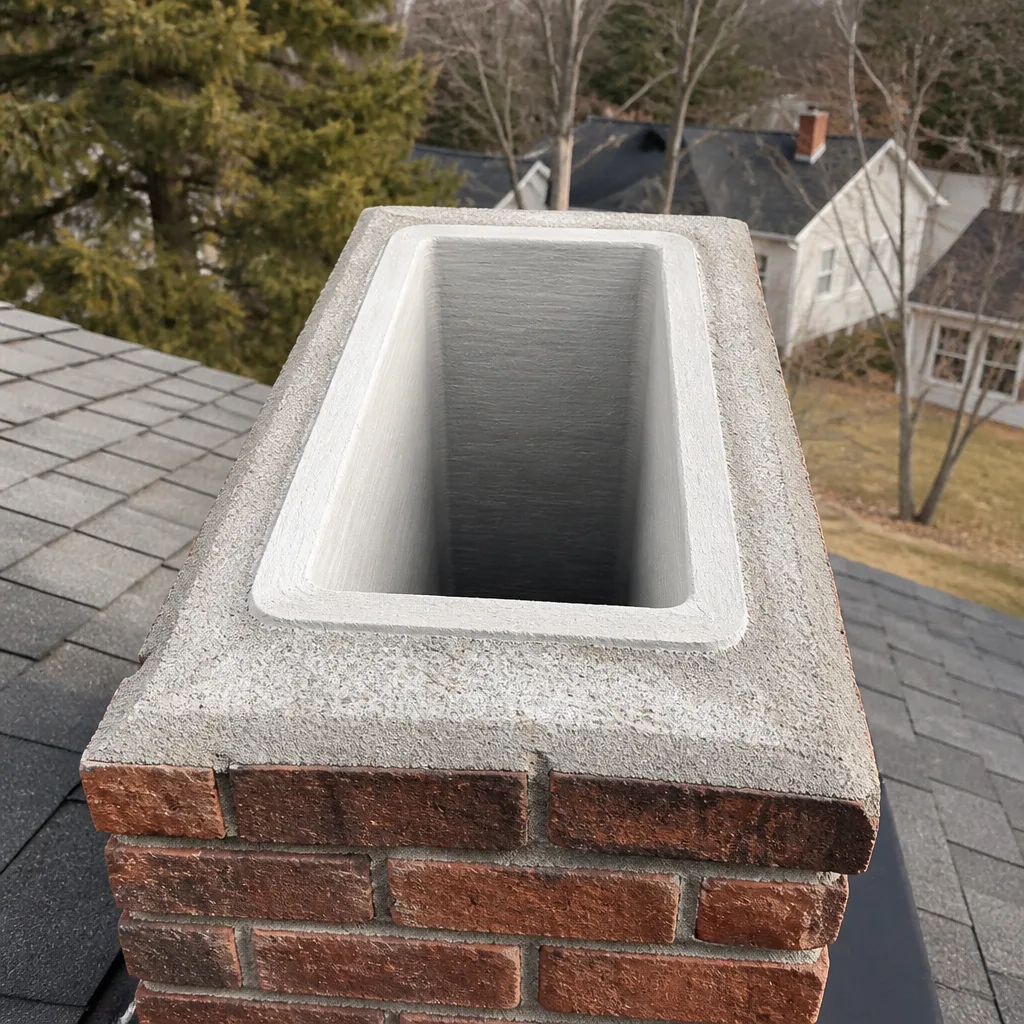
If the liner is cracked but not collapsed, HeatShield resurfacing can often restore the flue without a full reline – a structural repair that saves a lot of cost compared to pulling the old liner. If the damage is more extensive, a DuraFlex liner can be sized and installed. Either way, the inspection comes first. We do inspections as a standalone service, so you can get the answer without committing to any repair. A post-fire inspection in Marysville is the same process we use for pre-sale and annual safety checks. If the inspection is because of a fire, tell the person booking the appointment so the right equipment comes out.
Why Marysville Homes Run Higher Risk
Marysville isn’t Anchorage or Boise. The winters are wet and moderate, and the risk factors aren’t the cold itself – they’re the burn habits and housing stock that come with this climate.
Wet wood
Firewood seasoned in a Pacific Northwest fall takes longer to get to the moisture content a hot fire needs. When wood is cut and stacked in late summer, the wet season is right behind it, and a lot of Marysville woodpiles never dry out fully before the first cold snap. Wet wood burns cool, and cool fires deposit more creosote in the flue – especially in the cool upper sections of the chimney where the smoke condenses on the tile. That creosote is what burns in a chimney fire. Splitting, stacking in a covered but well-ventilated spot, and giving it a full season are the fixes.
Sweeping that slips a year
Chimneys are supposed to be swept at the frequency the creosote buildup demands – often annually, sometimes more if you burn a lot. In Marysville, where the burning season can stretch from October into March, a missed year means the creosote layer is thick enough that a hot fire can light it. Every chimney fire we hear about started with a flue that had gone longer than it should between sweeps.
Older unlined masonry
Plenty of Marysville homes were built before clay tile liners were standard, and some have had partial tiling or patchwork. An unlined flue is a direct path from fire to framing. A camera inspection tells you what you actually have, which is worth knowing before a fire rather than after one.
Draft and pressure issues
Modern tightly sealed homes and the frequent use of kitchen and bath exhaust fans create negative pressure that can pull smoke (and, in a fire, heat) out of the firebox into the room. It’s a small factor in a normal evening and a large one during a fire. When we do a chimney repair for draft complaints in Marysville, the first fix on the list is usually a properly sized liner and a tight cap, not a new fireplace.
Building an Emergency Kit and a Pre-Season Plan
A chimney fire is survivable when the response is automatic, and it’s automatic only if you’ve planned it. The preparation for Marysville homes breaks into three parts: what’s in the kit, what’s on the plan, and what gets checked before the first fire of the season.
What goes in the kit
- A chimney fire extinguisher (a chimney bomb) near the fireplace, with the instructions read and understood before you ever need them.
- A fire extinguisher rated for wood fires, mounted near the fireplace wall.
- A working smoke detector on every level and one outside each sleeping area, tested at the start of the burning season.
- A carbon monoxide detector. A compromised flue is a CO source, and CO is invisible.
- A flashlight that works, and a meeting point in the front yard that everyone in the household knows.
What goes on the plan
- Everyone in the household knows what a chimney fire sounds like, and that a low roar from the chimney means “get out.”
- Everyone knows the three-step response in order: close the air supply, get out, call 911.
- No one opens the damper or the firebox door to check. This is the one rule worth repeating.
- The chimney is not relit until a Level 2 inspection is done and the results are in hand.
What to do before the first fire of the season
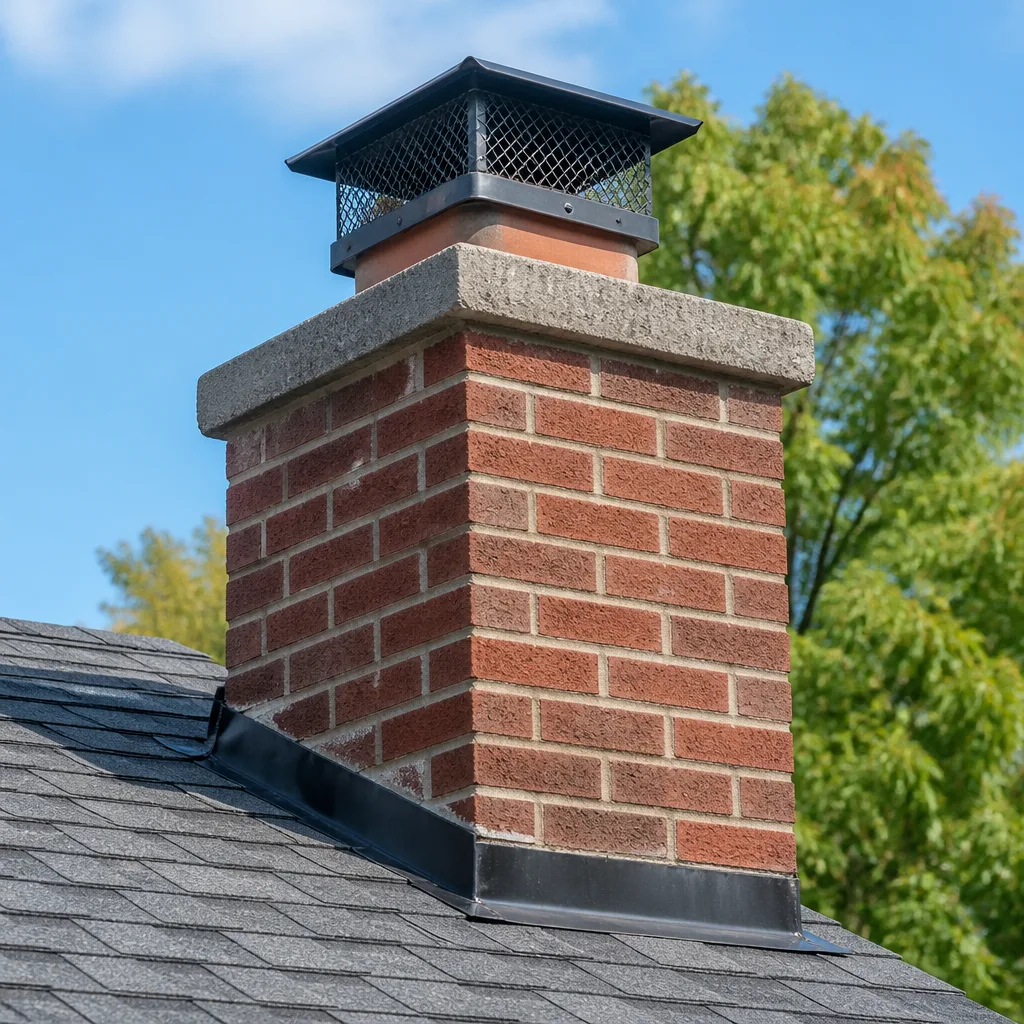
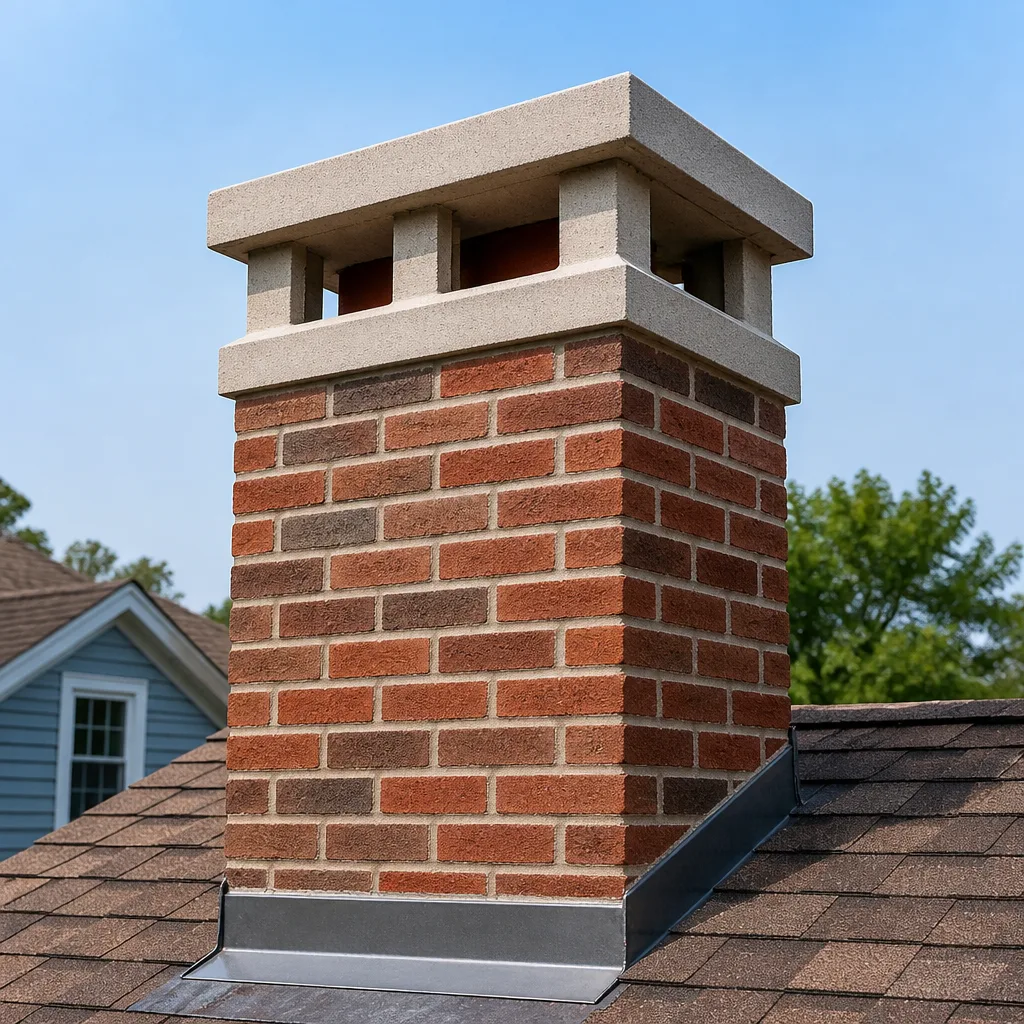
Have the chimney swept and inspected by someone who’ll put a camera in the flue, not just run a brush. Caps and crowns should be checked at the same time – a missing or rusted cap lets rain and debris in, and a cracked crown starts the freeze-thaw cycle that pulls the top of the chimney apart. When we install a Famco or Gelco cap and a properly formed crown, the intent is to close the most common path for water intrusion. If your chimney cap has disappeared, replacing it is one of the cheapest insurance policies on the whole system. Fireplace repairs that have waited a year – a cracked firebox, a failing damper, a set of doors that don’t close – belong on the same pre-season list.
Common Mistakes to Avoid
- Opening the damper to look inside. This is the single most dangerous instinct during a chimney fire. The rush of oxygen feeds the fire and can push heat and smoke into the room. Leave it closed and get out.
- Assuming a quiet chimney means no fire. A chimney fire can be almost silent from the room. A low roar, popping, or a sudden hard draft are all signals, even when there are no visible flames.
- Using the chimney after a fire because “it looks fine.” Cracked tiles and open mortar joints aren’t visible from the firebox. Without a camera inspection, the chimney is a pipe into your walls with no reliable seal.
- Burning wet or unseasoned wood to stretch a cord. In Marysville this is the most common cause of thick creosote. Cool fires deposit more than hot ones. Skip the wet wood, and get a moisture meter.
- Skipping the annual sweep after a mild winter. Creosote doesn’t care how much you burned the previous season, only what’s in the flue now. A missed year is a missed year.
- Relying on a flashlight inspection from the firebox. A flashlight sees six inches up. A camera sees the whole flue. Only one of those tells you whether the liner is intact.
- Ignoring the crown and cap until they fail. A cracked crown lets water in, water freezes, the crack grows, and by the time it’s obvious the repair is no longer a repair – it’s a rebuild. Check the top of the chimney with the same attention as the firebox.
See the difference
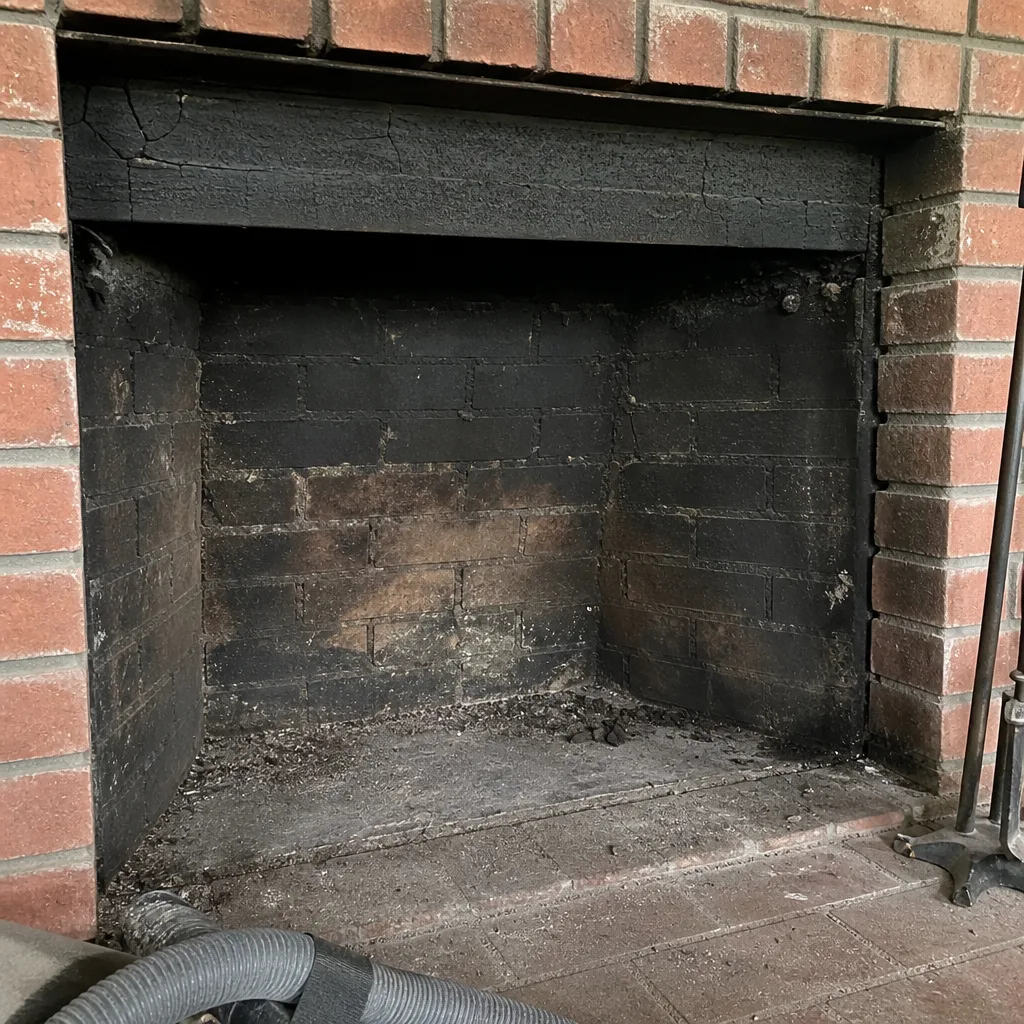 Before
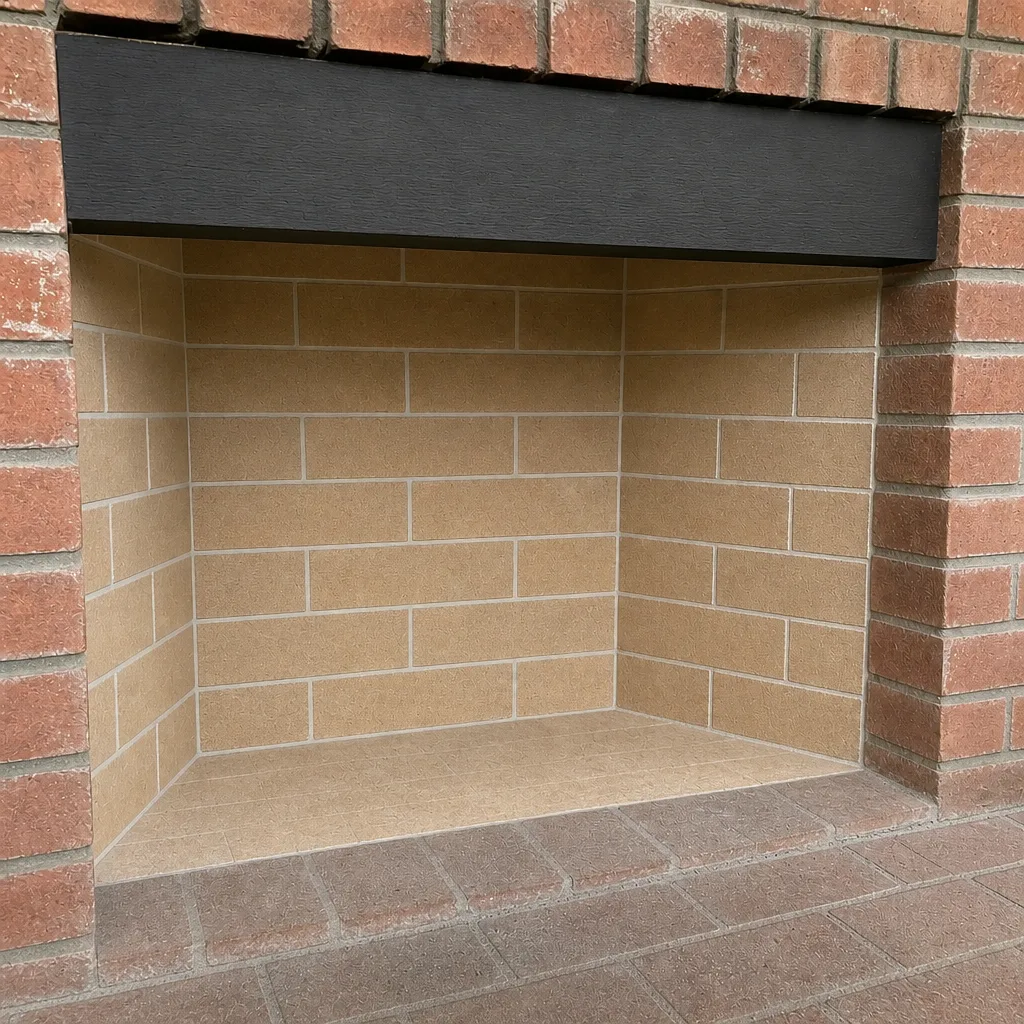 After
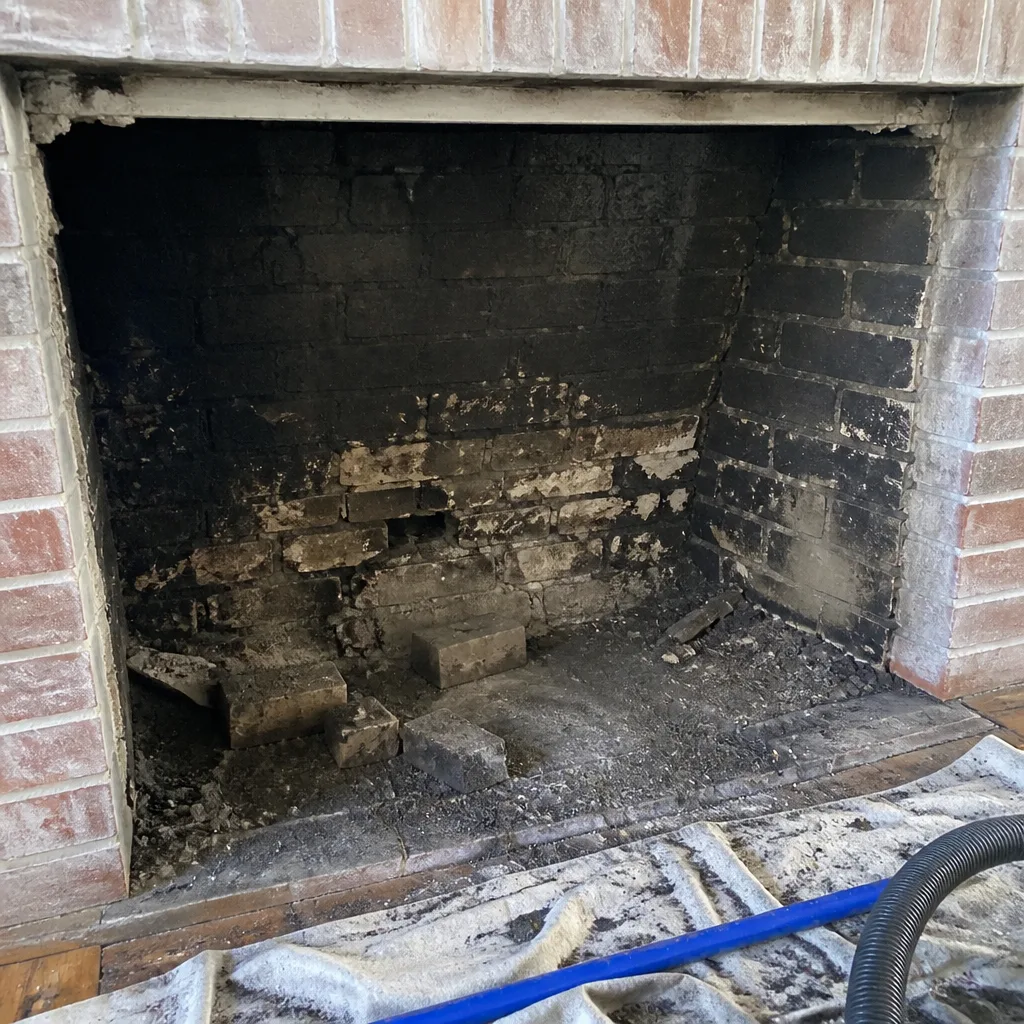 Before
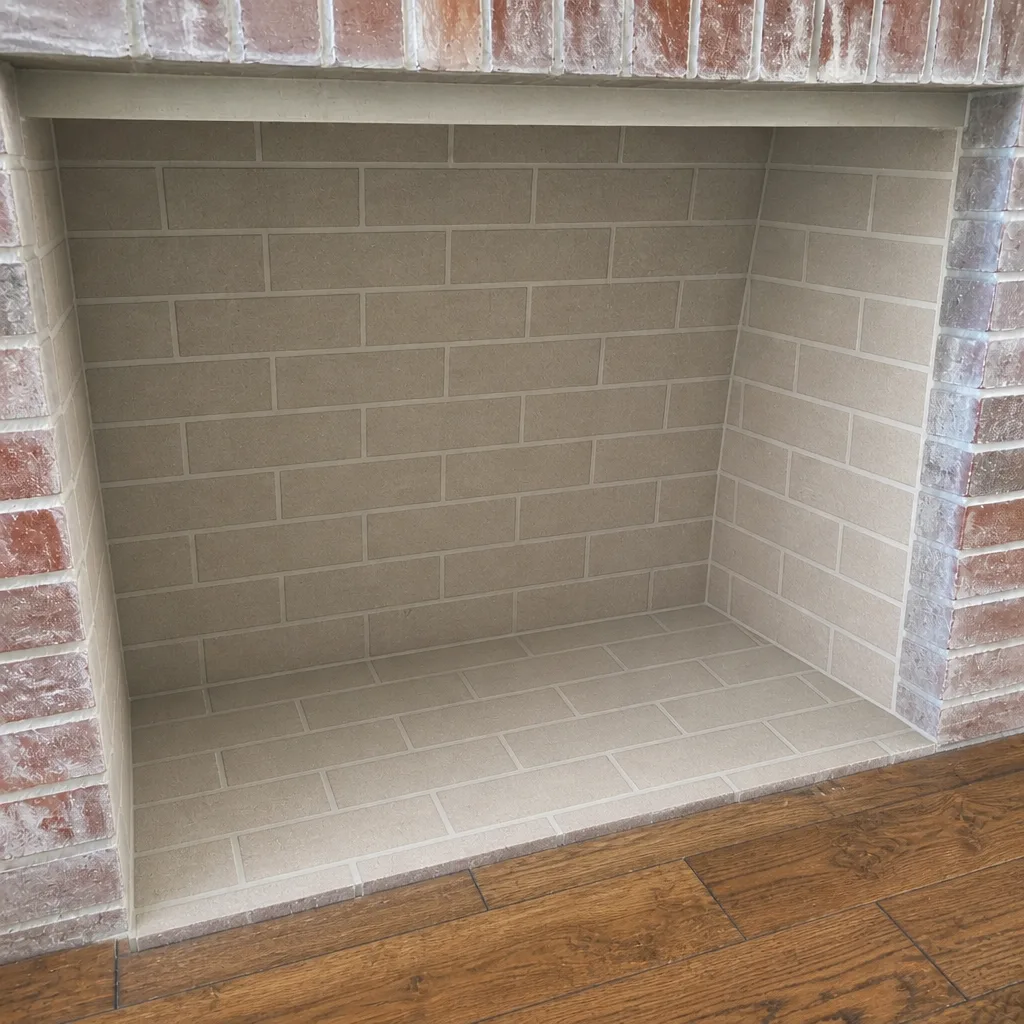 After
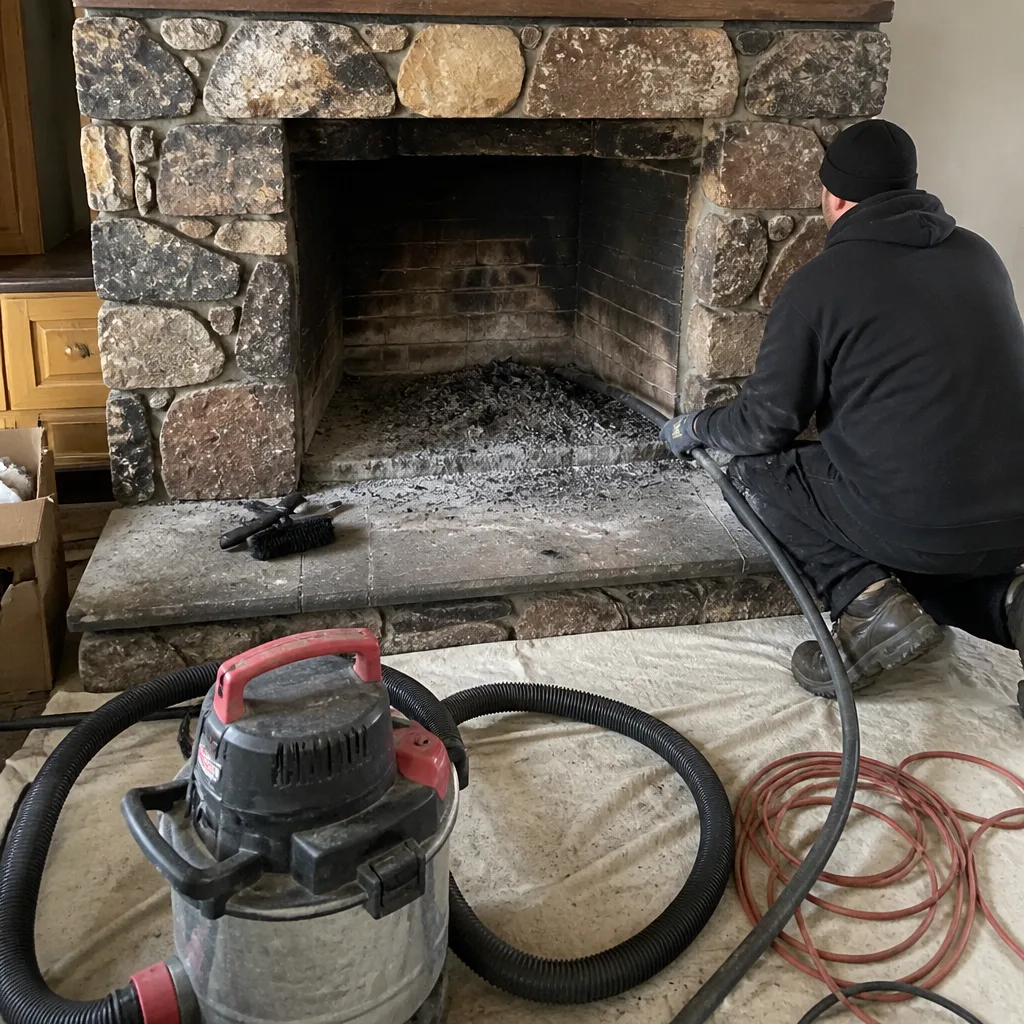 Before
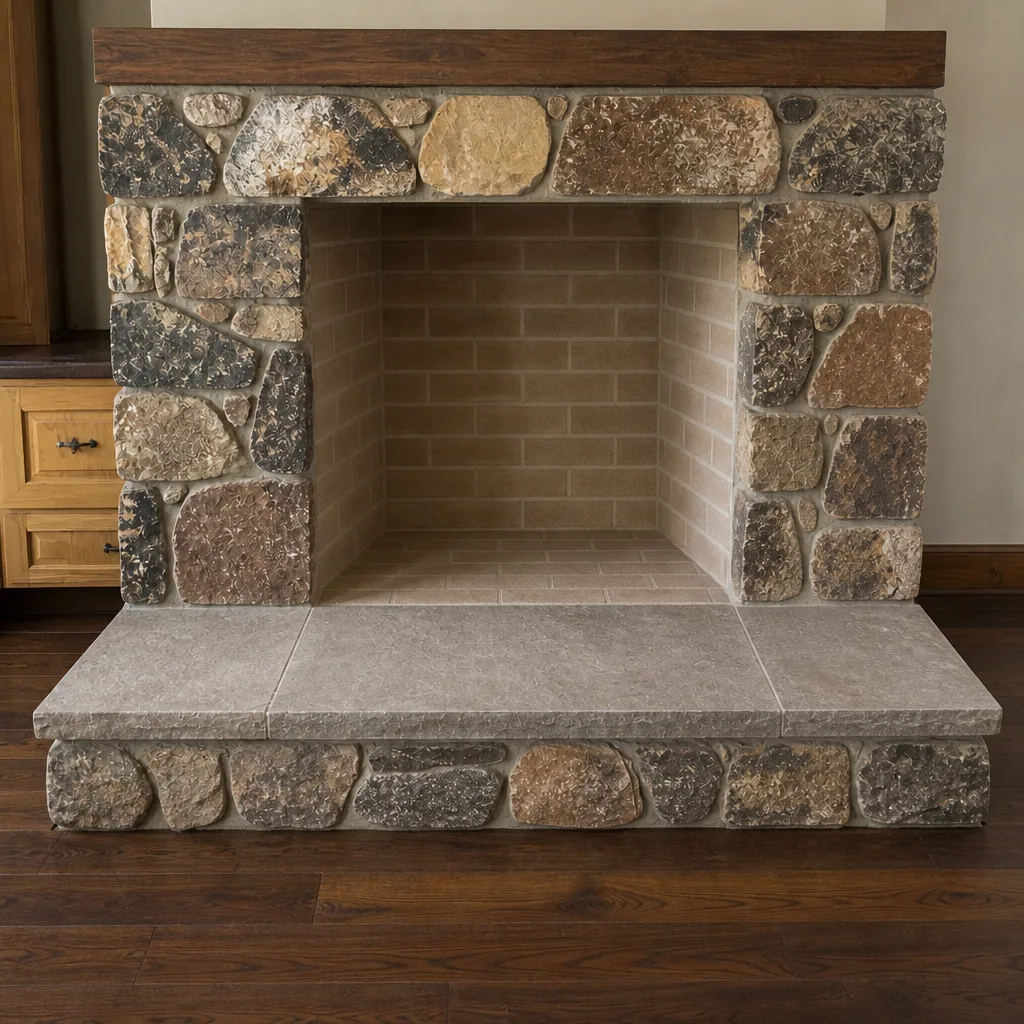 After
When to Call a Professional
Call if you’ve had a chimney fire, if you’ve seen or heard anything on the recognition list, or if the chimney hasn’t been swept and inspected in the last year. Call if your insurance company or a home inspector flagged the chimney, before a sale closes, or after any storm that could have knocked the cap askew or cracked the crown. Call if the fireplace has stopped drawing, if the room smells of smoke after a fire, or if you’ve had any CO alarm event. Marysville Chimney Sweep offers free estimates in Marysville. Call (877) 820-9607. We answer 24/7. Fast dispatch from 7am to 7pm, Sunday through Friday. Our technicians have up to 12 years of experience, and we bring the camera and the report, not a sales pitch.
Frequently Asked Questions
A chimney fire usually sounds like a low, rumbling roar, often compared to a freight train or a distant jet, coming from the chimney or the wall behind the fireplace. Repeated popping or clicking is common as creosote and metal liner parts expand. You may also notice the fireplace suddenly drawing much harder than normal. If you hear any of those sounds, close the air supply, get out, and call 911.
No. Opening the damper or the firebox door feeds oxygen to the fire and can cause a flare or backdraft into the room. Close the air supply to the firebox if it’s safe to do so, get everyone outside, and call 911 from outside. Don’t go back in to check.
No. A masonry chimney that survived a fire can have cracked tiles or open mortar joints that aren’t visible from the firebox, and using the chimney again before those are found and repaired is how a survivable chimney fire becomes a house fire. A Level 2 inspection with a camera is the way to know. We do inspections as a standalone service, so you can get the answer without committing to anything else.
Have it inspected at least once a year before the burning season, and sweep whenever the inspection shows enough creosote buildup to warrant it. If you burn a lot of wood or have a long season, once a year may not be enough. Thick creosote is what fuels a chimney fire, so the sweep schedule is set by what’s in the flue, not by the calendar alone.
Get it replaced before the next rain season. A missing or rusted cap lets water and debris into the flue, and water is the biggest cause of chimney structural failure over time. We install caps from Famco and Gelco and can check the crown at the same time – both are cheap compared to a rebuild.
Treat it as real. Close the air supply to the firebox, get everyone outside, and call 911. Don’t stop to investigate with a flashlight. If it turns out to be a false alarm, you’ve lost nothing. If it’s a real chimney fire, the two minutes you spent getting out were the two minutes that mattered.
The Bottom Line
A chimney fire is a survivable emergency when the response is automatic: close the air supply, get out, and call 911. The reason most homeowners don’t have that response ready is that they’ve never been told what a chimney fire actually sounds like – a low roar or a hard pull, not visible flames. After any fire, the chimney stays off until a camera inspection confirms the liner and joints are intact. In Marysville, wet wood, missed sweeps, and older unlined masonry push the risk higher. The best preparation is a pre-season sweep and inspection, a cap and crown that keep water out, and a household that knows the three steps in order.
If you need a sweep, an inspection, a fireplace repair, a cap and crown check, or a post-fire assessment, we’re set up for all of it. For a free estimate, call (877) 820-9607. We answer 24/7. Fast dispatch from 7am to 7pm, Sunday through Friday. Read more about how a Marysville Chimney Sweep visit is set up, and about fireplace repair for the firebox side of the system.
Written by the team at Marysville Chimney Sweep.