
Last updated November 25, 2026
 Sweep & inspection
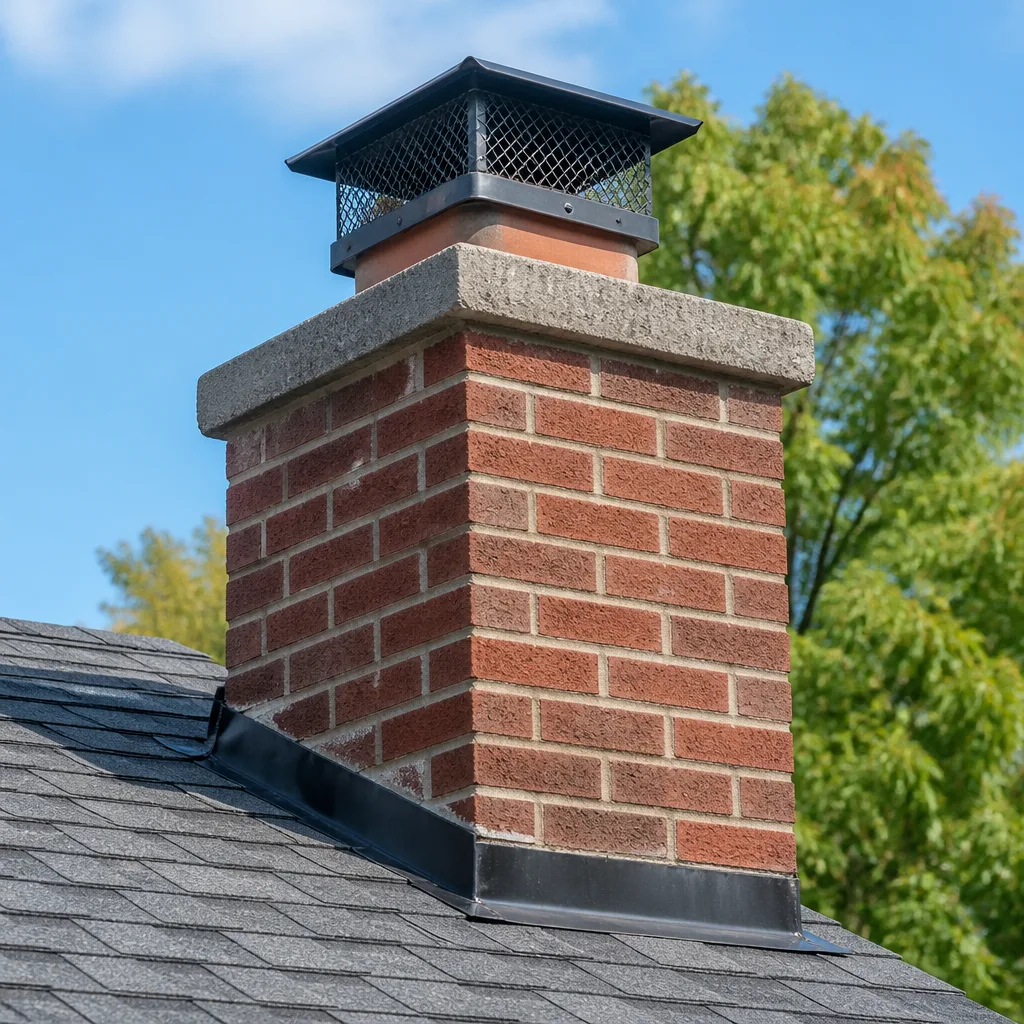
 Caps & crowns
 Flue relining
 Masonry repair
 Gas fireplace service
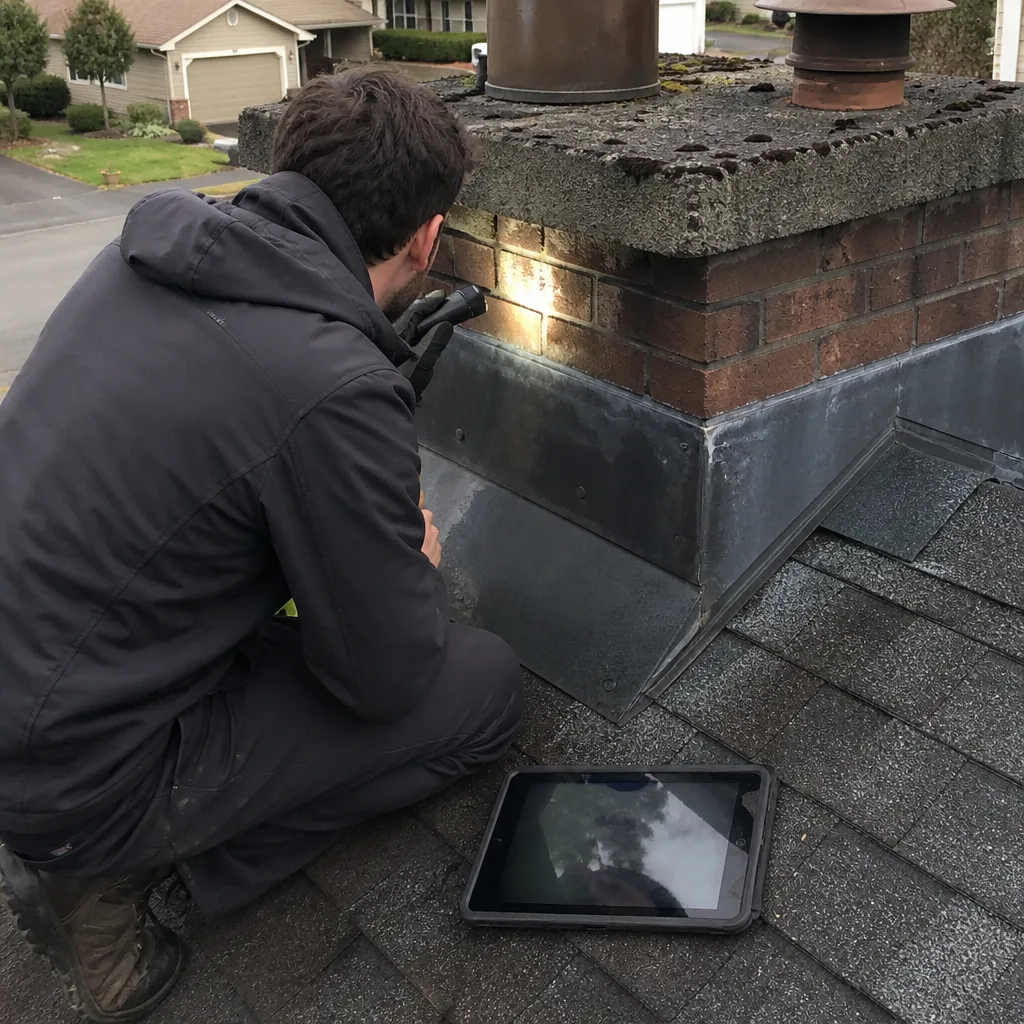
Level 1 sweep and inspection to the NFPA 211 annual standard - flue, crown, cap, and flashing checked and photographed
Chimney sweep logs do not sweep chimneys. They loosen some creosote - which then falls where a brush and vacuum still have to collect it.
Chimney Cleaning Permits, Codes & Inspections in Marysville, WA: What You Need to Know
Most chimney cleaning in Marysville needs no permit at all. That surprises people. The confusion runs the other way, too: homeowners assume that because a sweep needs no approval, nothing else does either. Then a mason or a “chimney guy” relines a flue over a weekend with no inspection, and nobody confirms the work meets code until a house is sold or an insurance claim is filed. Relining a chimney flue without a permit in Snohomish County can void your homeowner’s coverage for a fire that starts in that system. This guide draws the line between routine maintenance and permitted work, explains what Washington’s fire code actually governs, and shows what a clean, defensible inspection report should contain.
Quick Answer
Routine chimney cleaning and annual inspections in Marysville do not require a permit. Permits and inspections are typically triggered when the work changes the chimney system itself: liner replacement or relining, firebox rebuilds, and new appliance installations. The technical benchmark for all of it is NFPA 211, which sits behind Washington’s inspection requirements whether or not a permit is pulled.
Styles & brands we work with
- Sweep & inspection
- Caps & crowns
- Flue relining
- Masonry repair
- Gas fireplace service
Table of Contents
- What does Washington’s residential fire code actually govern?
- Where’s the line between cleaning and permitted work?
- How NFPA 211 shapes inspections in Washington
- What a code-compliant inspection report must document
- How to confirm permit-required work was actually pulled
- Inspections and real estate transactions in Washington
- Why Marysville’s climate makes the rules matter
- Safety: the work you should never take on yourself
What Does Washington’s Residential Fire Code Actually Govern?
Washington State adopts the International Residential Code, and Chapter 10 of that code covers chimneys and fireplaces. That chapter addresses how a chimney is constructed, how flues are sized, what clearances are required to combustible materials, and how hearths and firebox openings are built. It’s the framework inspectors and contractors work from.
What catches people off guard is how the state code and local jurisdiction overlap. Washington adopts the base code with amendments, and Snohomish County and the City of Marysville then apply their own permitting processes and local amendments on top. That layered structure is why the same relining job can be a simple approval in one jurisdiction and a more involved one in the next. It’s also why nobody should take a contractor’s word that “the county doesn’t require anything for this” at face value. Requirements shift, and they vary based on what’s actually being changed.
A few practical points about how the code shows up on real Marysville homes:
- Construction and clearances. Chapter 10 governs how close combustible materials can sit to the chimney and how the flue is protected. A firebox rebuild or a chimney chase modification pulls this into play directly.
- Appliance installation. Swapping a wood insert or installing a new gas or wood appliance involves venting and clearance requirements that go beyond a cleaning.
- Maintenance and cleaning. The code doesn’t issue permits for brushing a flue. It treats that as ordinary upkeep, which is why a routine chimney sweep in Marysville typically involves scheduling, not paperwork.
The thing to remember is that the code is about how the system is built and how safely it operates. Sweeping keeps a compliant system working. Permitted work is what keeps a system compliant after it’s been changed.
Where’s the Line Between Cleaning and Permitted Work?
A lot of people ask us this directly, and the answer is simple: if we’re cleaning or inspecting, no permit. If the chimney system is being physically altered, that’s where permits and inspections usually enter the picture. Here’s the practical breakdown.
No permit typically required:
- Routine sweeping and creosote removal
- Annual safety inspections and level-one visual inspections
- Chimney cap and crown installation, which is accessory work on the exterior of the system and generally doesn’t alter the flue
- Routine fireplace repair such as replacing a damper, fireback, or other non-structural component
Permit and inspection typically required:
- Liner replacement or relining of an existing flue
- Firebox rebuilds and structural repair to the chimney chase
- Installation of a new wood stove, insert, or gas appliance
- Any modification that changes the flue’s dimensions, materials, or venting path
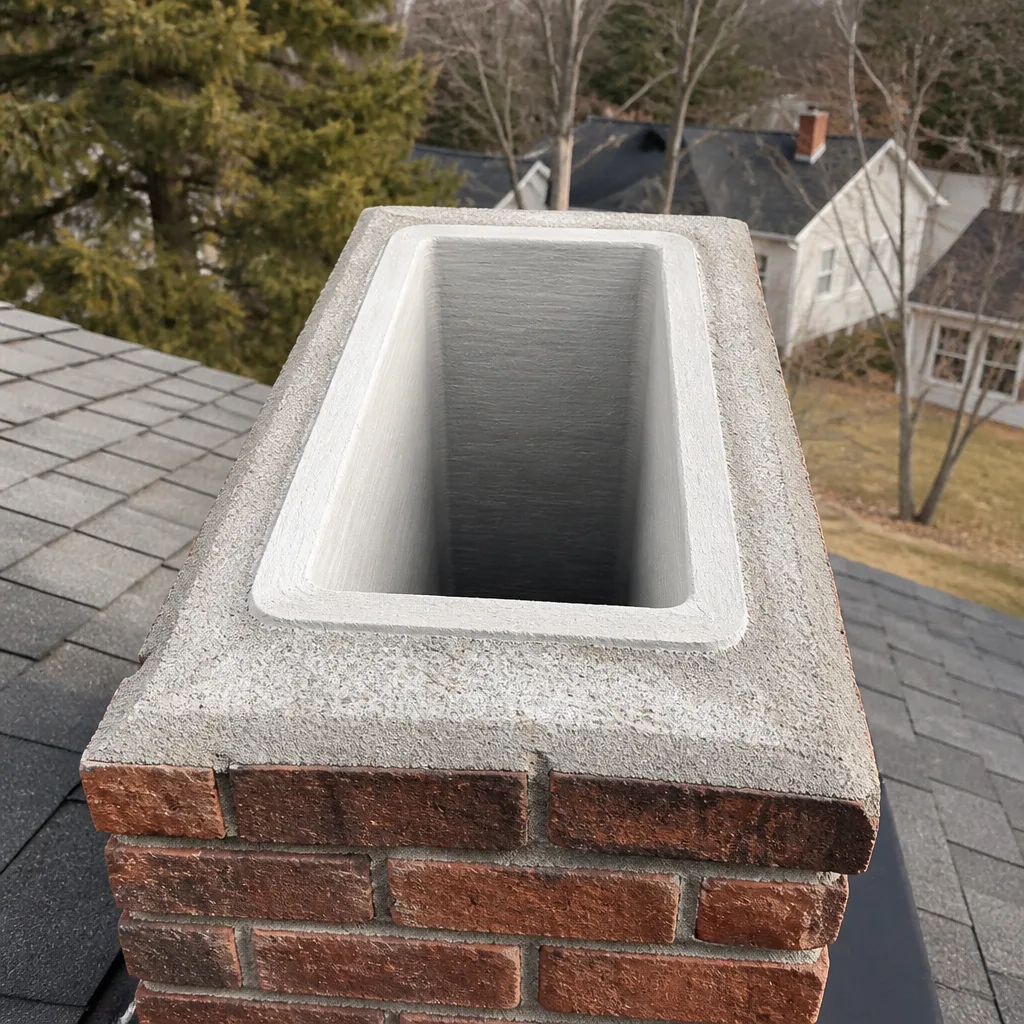
Resurfacing a liner with a product like HeatShield sits in an interesting spot. It restores a cracked flue’s interior surface without a full replacement, which is often the smartest option for an older home. Whether that specific job requires a permit can depend on how your jurisdiction classifies the work and how extensive the original damage is. That’s a question worth asking the building department before the work begins, not after. When we quote a chimney repair that involves structural change, we tell homeowners exactly which jurisdiction to check with and what to confirm.
How NFPA 211 Shapes Inspections in Washington
NFPA 211 is the standard for chimneys, fireplaces, vents, and solid fuel appliances. Washington’s inspection expectations are built on it, so whether your inspection is tied to a permit or just good practice, NFPA 211 is the benchmark underneath. It establishes the three levels of inspection the trade works from.
- Level One. A visual inspection of readily accessible portions of the chimney, for routine annual checks or when an appliance is changed for one of similar type and input.
- Level Two. Everything in a level one, plus inspection of accessible portions that are normally hidden, using a camera. A level two is the standard for a real estate transaction or after a chimney fire.
- Level Three. Further investigation when a hazard is suspected in a concealed area and requires removing or opening part of the structure to assess it.
In our experience, most Marysville homeowners have never had anything beyond a level one, and that’s fine for an annual check. The gap we see is at the level-two stage, where camera capability and clear documentation matter. A camera inspection shows you the actual condition of your flue, not a verbal description. That’s the difference between a useful safety assessment and a sales call. We treat inspection as its own service for exactly this reason: sometimes all a home needs is a documented look, not a cleaning or a repair.
The practical value is this: if your inspection report cites NFPA 211 conditions and documents them with photos, it holds up to scrutiny whether it’s read by an insurance adjuster, a buyer, or a code inspector.
What a Code-Compliant Inspection Report Must Document
A report that only says “chimney is in good condition” tells you nothing and protects nobody. A report built to NFPA 211 standards documents what was found and where. When you look at an inspection report, here’s what should be in it:
- The level of inspection performed. Whether it was a level one, two, or three, and what was accessible.
- Photos of the flue interior. Clear images, especially for a level two, showing the condition of the liner.
- Flue condition findings. Cracks, gaps, glaze, deterioration, or missing flue tile, all noted against what was actually observed.
- Clearances and any visible obstructions. Blockages, signs of water intrusion, and the condition of the cap and crown.
- Recommended actions, separated from observations. The report should distinguish what was observed from what’s recommended, so you can see the reasoning.
- Anything that couldn’t be inspected. Good reports say what was not accessible and why, rather than glossing over it.
We include photo documentation with camera inspections, part of why we can offer a defensible report as a standalone service. If a contractor hands you a one-line invoice after a “full inspection,” ask for the actual documentation. If it doesn’t exist, the inspection may not have been what it was called.
How to Confirm Permit-Required Work Was Actually Pulled
A contractor can invoice you for relining a flue without ever pulling a permit. The work gets done, you pay, and the record stays empty. If a problem surfaces later, you’re the one without a paper trail. Here’s how to close that gap before it opens:
- Ask who pulls the permit before work starts. Most jurisdictions let the licensed contractor pull the permit. If they say no permit is needed for relining, ask them to show you where that’s written.
- Get the permit number. A pulled permit has a number and a public record. Ask for it in writing.
- Confirm the inspection stage. Permitted work is typically inspected before the job is signed off. Ask when that inspection is scheduled and whether it’s been done.
- Request the final paperwork. When the job is finished, ask for documentation that the inspection passed. Keep it with your home records.
- Verify the contractor’s credentials. The local pro you hire should be licensed and insured as their state requires. That’s a different check from the permit, and both matter.
We install DuraFlex and work with Olympia Chimney products because they’re made for this kind of structural work. When a job involves a permitted repair, we’re happy to tell you exactly which jurisdiction’s building department to call and what to confirm. It’s part of doing the work the trade relies on, and there’s no good reason for a homeowner to be guessing.
Inspections and Real Estate Transactions in Washington
There’s a specific point homeowners miss on the sale side. Washington’s seller disclosure law requires sellers to disclose known material defects in the property, and that includes the chimney. If a seller knows the flue is cracked or the liner is failing, that’s a defect. Not disclosing it exposes the seller to liability after closing.
From a buyer’s view, a level-two inspection is the tool that moves this from “trust me” to a documented record. That’s why we offer inspection as a standalone service for real estate transactions. A seller with a clean, photo-documented inspection has a much smoother negotiation. A buyer who gets the report in hand knows what the home actually needs, and can separate maintenance from structural concern before making an offer.
The practical sequence for both sides:
- Before listing: order a level-two inspection and have the report on hand.
- Before an offer is finalized: request the same inspection from the buyer’s side if the seller hasn’t done it.
- If deficiencies are found: get a free estimate on repairs so the disclosure is specific, not a vague guess about cost.
When a repair is the recommended action, we give the estimate in writing so it’s clear, and whether it can wait is spelled out. If something can safely wait a season, we say so.
Why Marysville’s Climate Makes the Rules Matter
Marysville sits in the Puget Sound lowlands where wet, cool winters are the norm and the heating season is long. That matters for chimney condition in two ways. First, more months of burn or gas heating mean more creosote and more wear on the flue lining over the years. Second, water intrusion is a real driver of chimney deterioration here. Rain against an unprotected crown or a missing cap works its way into the system, and repeated freeze-thaw cycles on wet masonry cause slow cracking.
That combination, chronic dampness and heavy use, is why seasonal checks make sense before heating season begins. The good news is the code and the standard both exist to protect the system through exactly this cycle. A properly installed cap and crown is the first line of defense; the flue and liner are what remain functional beneath. When we install a cap from Famco or Copperfield, the point isn’t the brand name, it’s that the product is built for a climate that stays wet for months.
Where the local layer comes in: Marysville homeowners dealing with water damage or a failing crown should ask whether the repair is cosmetic or structural. Cosmetic repair doesn’t trigger the permit conversation. Structural work, like a firebox rebuild or a liner replacement, does. That’s the line that runs through all of this, climate included.
Safety: The Work You Should Never Take on Yourself
Some parts of chimney work are genuinely dangerous and don’t belong on a homeowner’s to-do list. Cleaning creosote is one thing, but climbing onto a roof for structural repairs and opening up a flue to replace liner components isn’t. The right approach is inspection and documentation from a trained professional, then a clear written estimate on any repair.
The specific risks worth naming:
- Chimney fires. Creosote buildup can ignite, and that risk rises with a long heating season and infrequent sweeping. The flue condition determines how a fire behaves if one starts.
- Carbon monoxide. A cracked or blocked flue can let combustion gases escape into living space. Gas or oil appliances vented through a damaged chimney are the classic risk, and it’s why an inspection matters even if you’re not smelling anything.
- Height and roof work. Crown and cap installation involves getting on a roof. That’s one to hand off.
None of that is meant to be scary. It’s meant to be accurate. A capped, clean, properly sized flue with a documented inspection keeps a home safe, and those are all things we can handle from start to finish. Once you know the condition of your system, most of the anxiety goes away.
Common Mistakes to Avoid
- Assuming a cleaning needs a permit. It doesn’t. But the reverse assumption, that a relining job needs none, is where the real trouble starts. Ask which category your work falls into before anyone starts.
- Taking “no permit needed” at face value. Requirements vary by jurisdiction and by what’s being changed. Ask for the specific reason, in writing.
- Skipping the level-two upgrade when it’s warranted. A visual check is fine for an annual visit. A real estate transaction or a recent chimney fire calls for camera work.
- Accepting a one-line inspection report. Good documentation shows the flue interior, not a summary sentence. If you can’t see what was found, the report isn’t doing its job.
- Ignoring water and crown damage. In Marysville’s wet climate, a failing crown is a slow path to structural trouble. Treat it as a maintenance item, not a nuisance.
- Buying or selling a home without a chimney inspection. Sellers have a legal duty to disclose known deficiencies in Washington, and a documented inspection is the cleanest way to meet it.
- Letting a general contractor handle structural chimney work. The flue and liner involve specific product systems and clearances. Use a specialist whose work is scoped to the chimney, not a handyman with a brush.
See the difference
 Before
 After
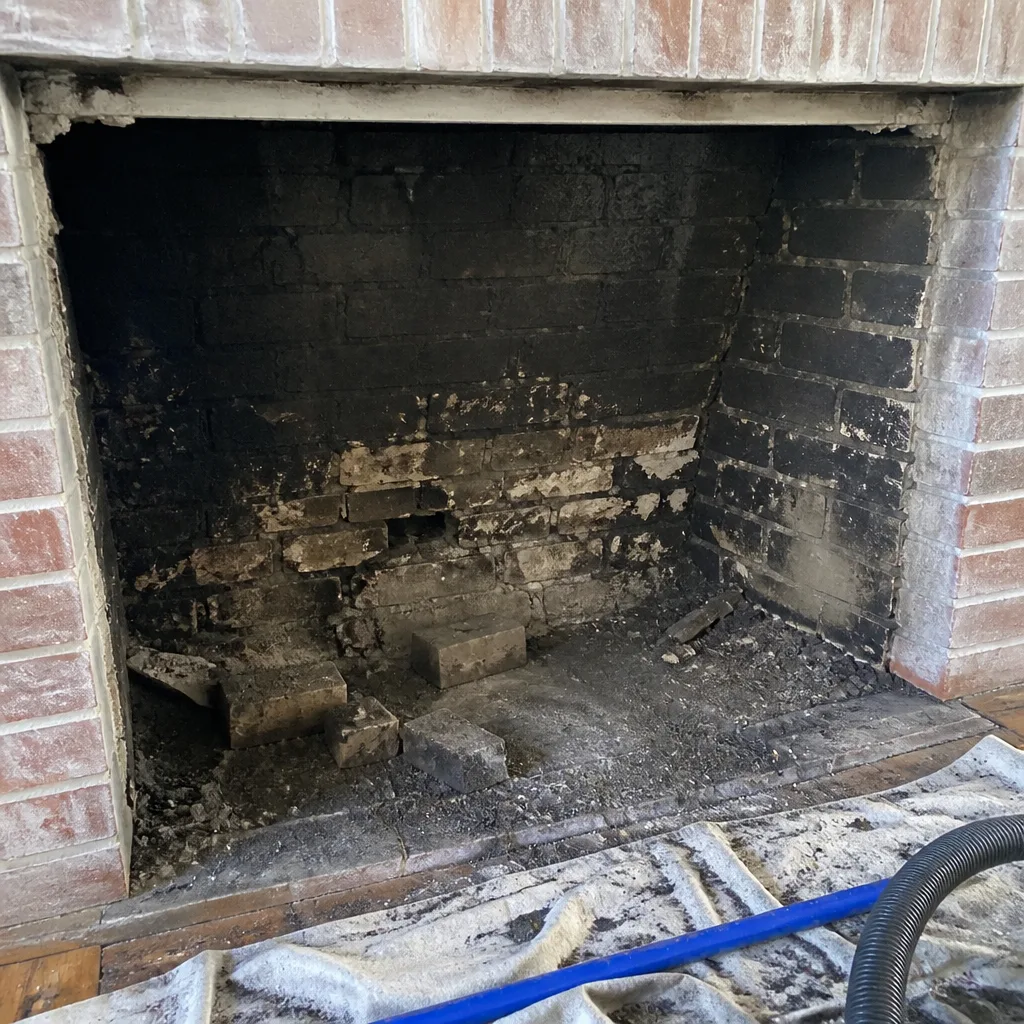 Before
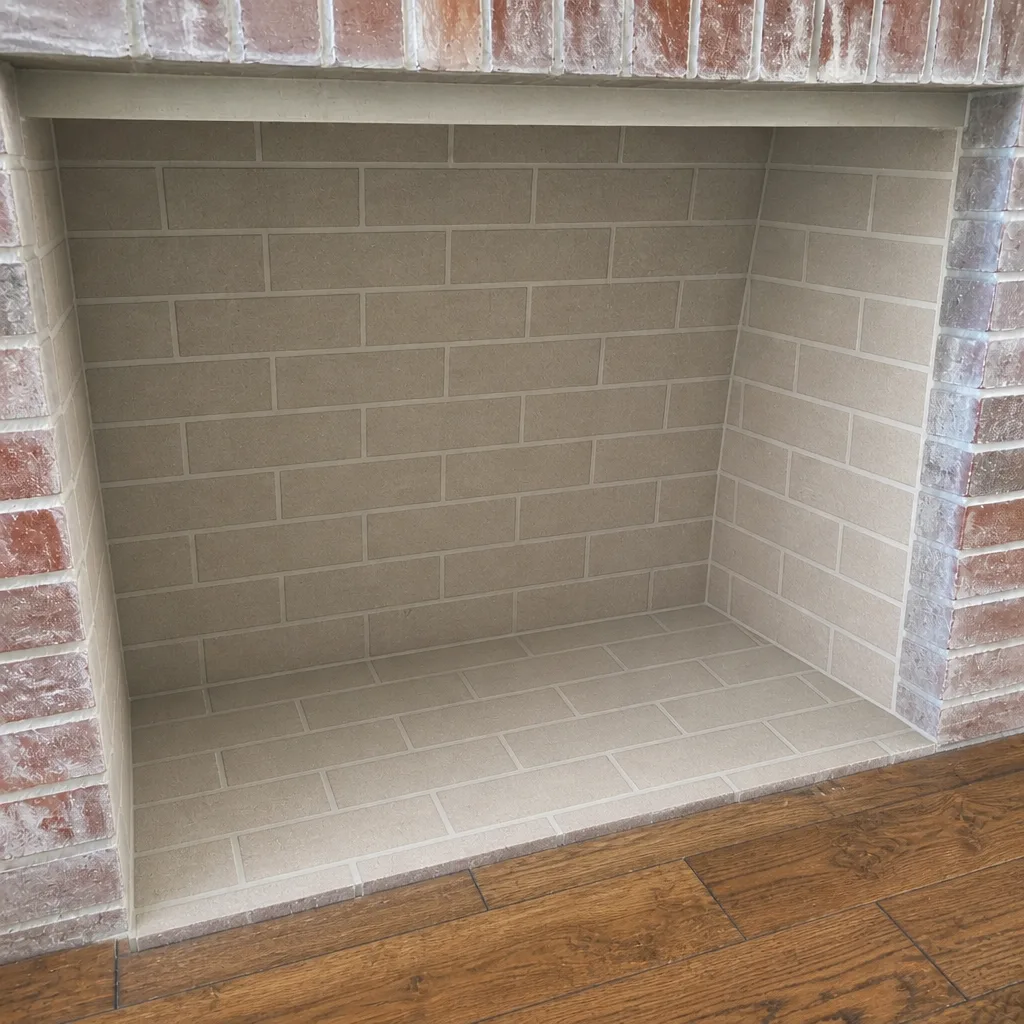 After
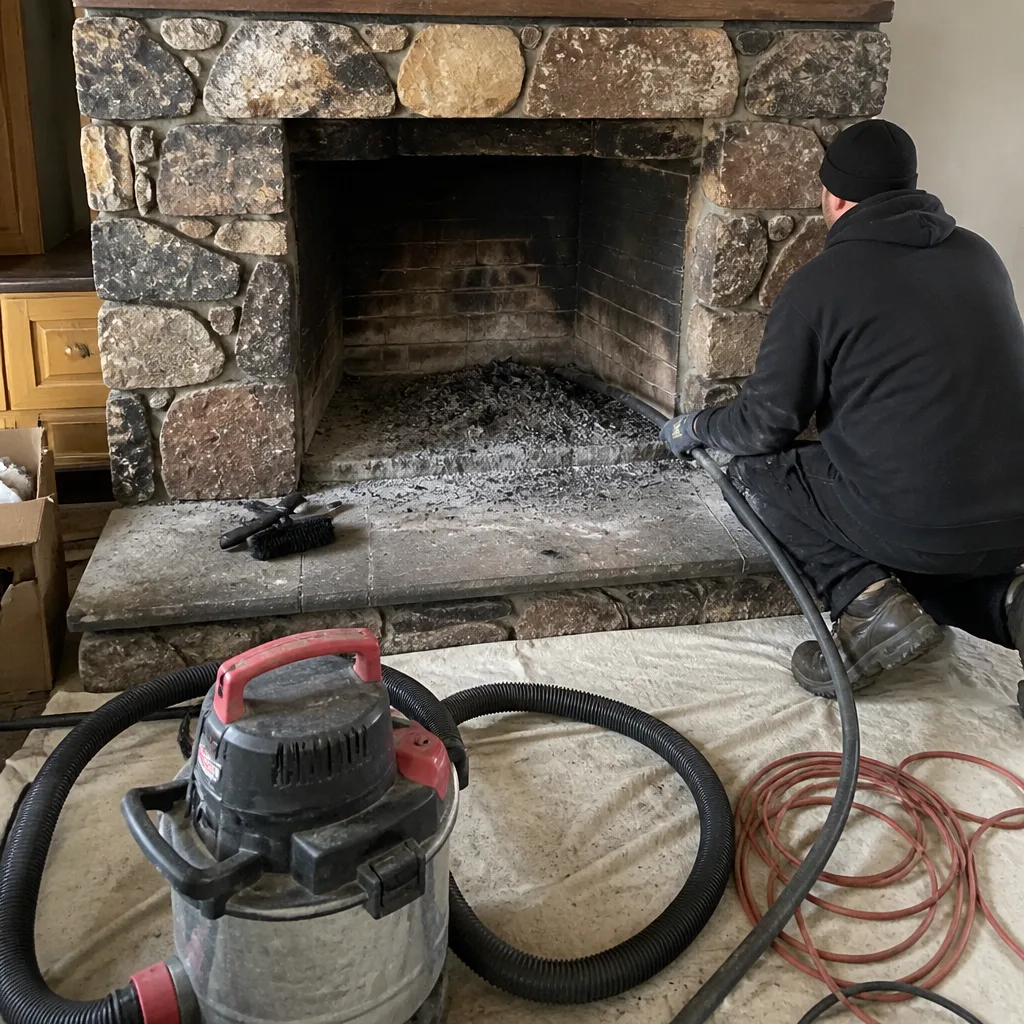 Before
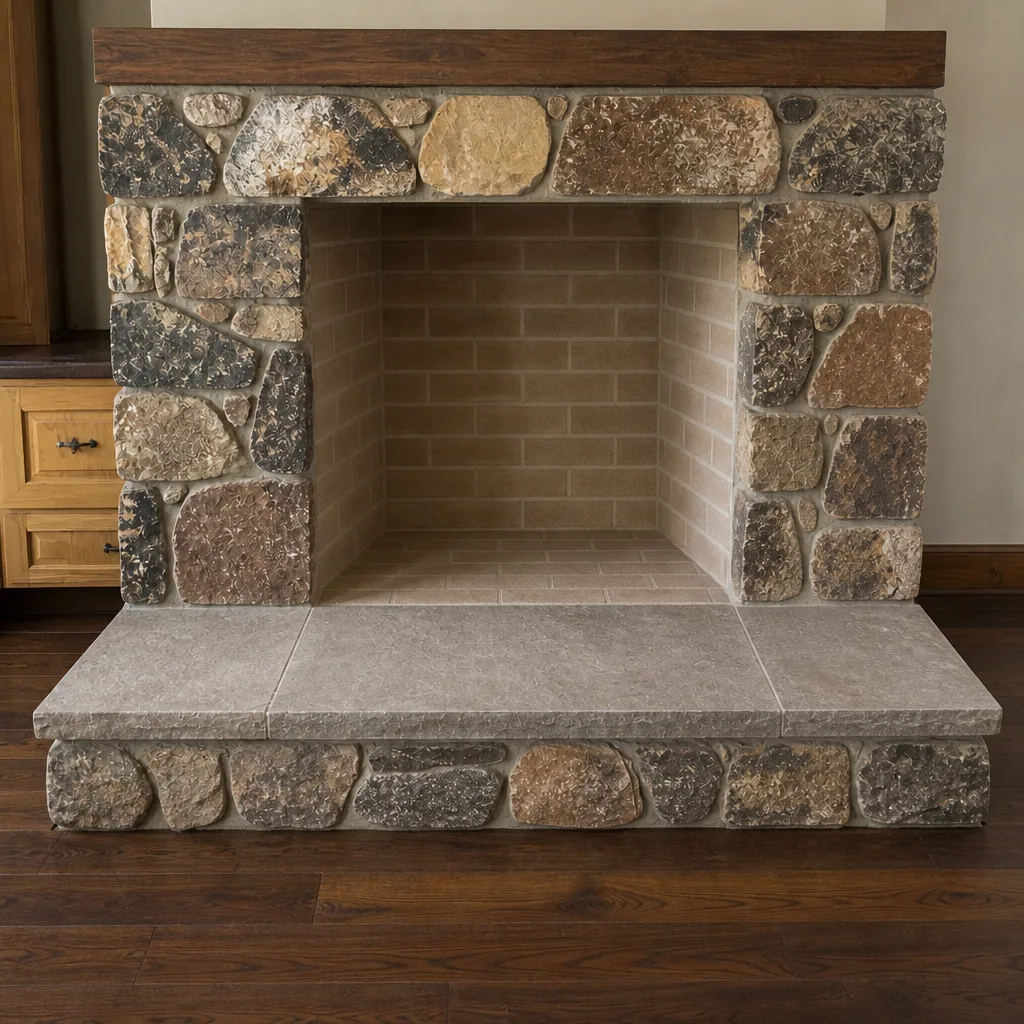 After
When to Call a Professional
Call us when you’re not sure which side of the line your job falls on. If a contractor has mentioned relining, a firebox rebuild, or installing a new appliance, that’s a permit question worth confirming before the work starts. If you’re buying or selling a Marysville home, get a level-two inspection with photo documentation in hand. If it’s been a season or two since your last sweep, that’s routine maintenance, and it’s the cheapest way to protect a compliant system.
We quote repairs in writing and tell you what can safely wait. If nothing is recommended without camera evidence you can see, there’s no guesswork. Marysville Chimney Sweep offers free estimates in Marysville, so the first step costs you nothing. Call (877) 820-9607. We answer 24/7. Fast dispatch from 7am to 7pm, Sunday through Friday. You can also visit our Marysville Chimney Sweep home page to see the full scope of what we do.
Frequently Asked Questions
No. Routine chimney cleaning and annual inspections in Marysville don’t require a permit. Permits are typically triggered when work changes the chimney system itself, such as relining, a firebox rebuild, or a new appliance installation. If you’re ever unsure which category your job falls into, call (877) 820-9607 for an exact answer.
Relining a flue is typically permitted work, and it’s one of the cases where a permit and an inspection are usually required. The exact process depends on your jurisdiction and what’s being changed, so it’s worth confirming with the building department before the work starts. A free estimate from us will tell you what’s needed and what the written scope includes.
A cleaning removes creosote and soot from the flue. An inspection documents the condition of the chimney system, and a level-two inspection uses a camera to see portions that are normally hidden. They’re separate services, and either can be done on its own. Call (877) 820-9607 if you want to know which one your home actually needs.
NFPA 211 recommends an annual inspection, and in Marysville’s long heating season that annual check is well worth it. A level-two inspection is also the standard after a chimney fire or during a real estate transaction. We can schedule either one, and the estimate is free.
It can. Washington’s seller disclosure law requires sellers to disclose known material defects in the property, and that covers chimney deficiencies. A photo-documented inspection gives both sides a clean, verifiable record. Call (877) 820-9607 to arrange one before listing or before your inspection contingency closes.
You can, but it leaves you without a paper trail if a problem surfaces later. Ask for the permit number and documentation that the inspection passed, and keep it with your home records. If a contractor says no permit is needed, ask them to show you where that’s written. Call (877) 820-9607 and we’ll walk you through what to ask for.
The Bottom Line
Cleaning your chimney in Marysville is straightforward upkeep with no permit involved. The moment work shifts to relining, a firebox rebuild, or a new appliance, the rules change, and the homeowner carries the risk of skipping them. NFPA 211 sits behind every inspection, and a proper report documents the flue interior with photos rather than a summary sentence. Confirm permits before work starts, keep the final inspection paperwork, and treat a level-two inspection as a real tool during a home sale. When you’re ready to sort out what your chimney needs, call (877) 820-9607 for a free estimate.
Written by the team at Marysville Chimney Sweep.