
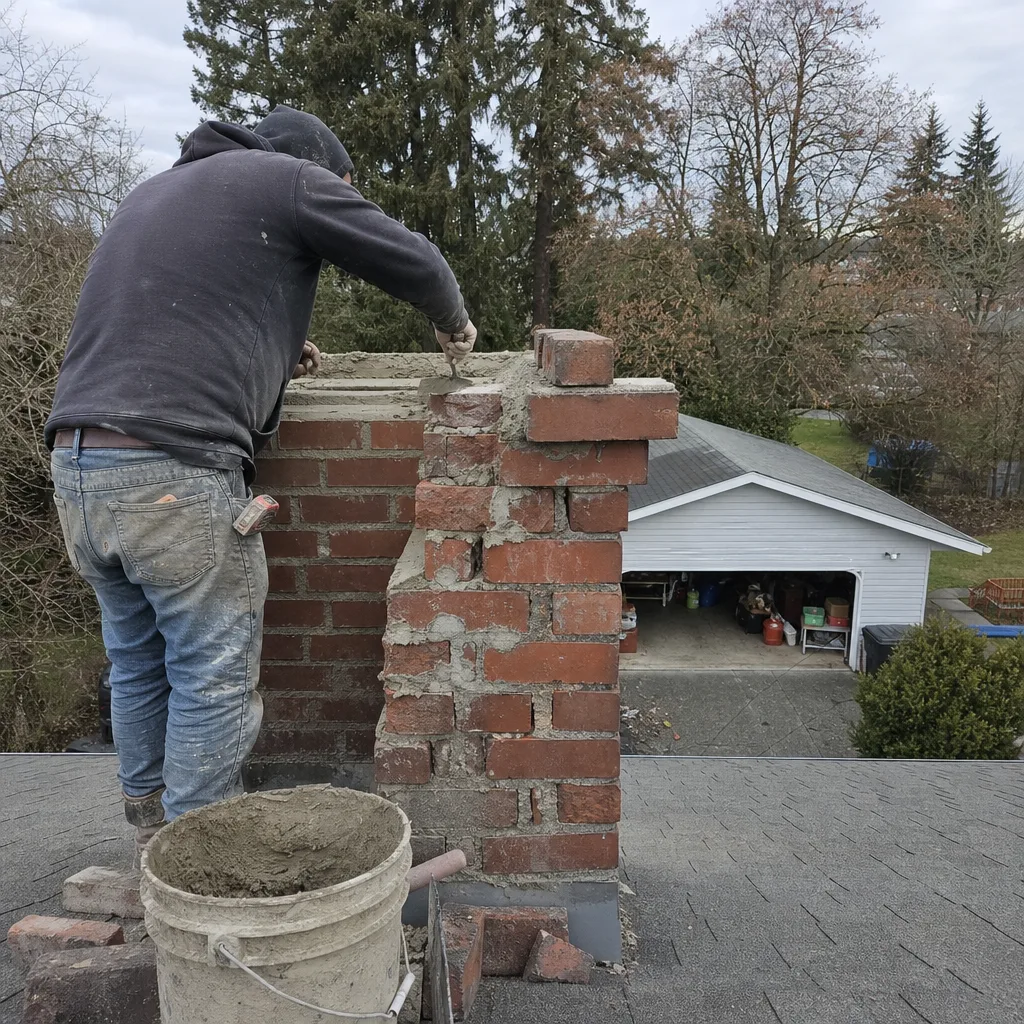
Last updated November 25, 2026
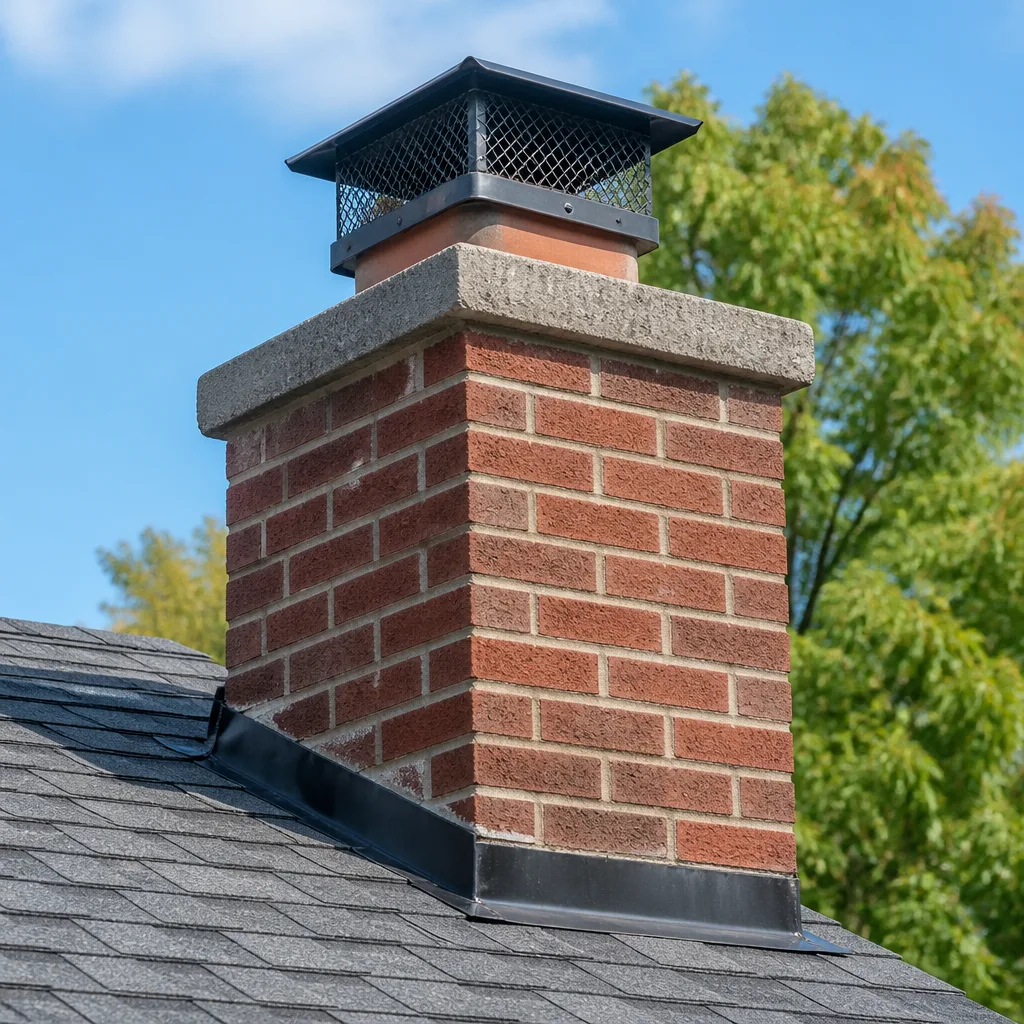 Sweep & inspection
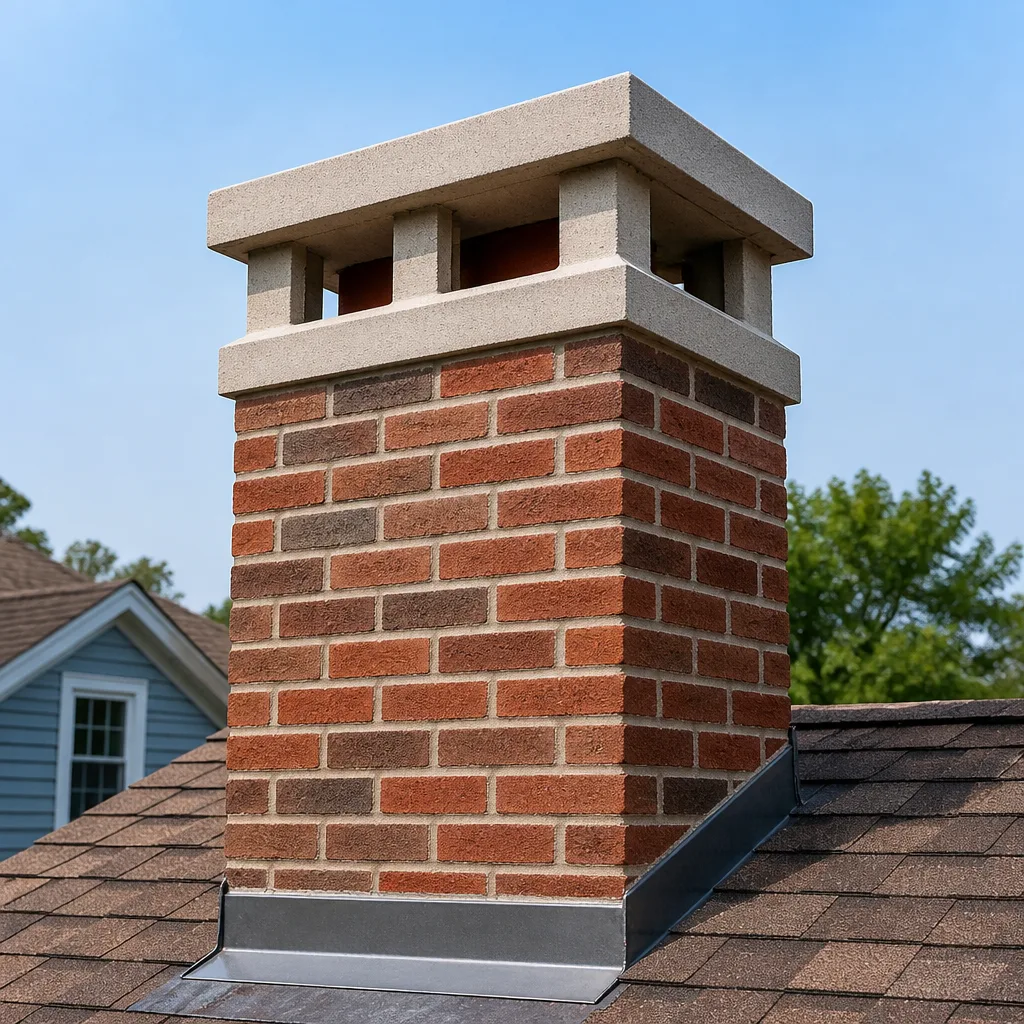 Caps & crowns
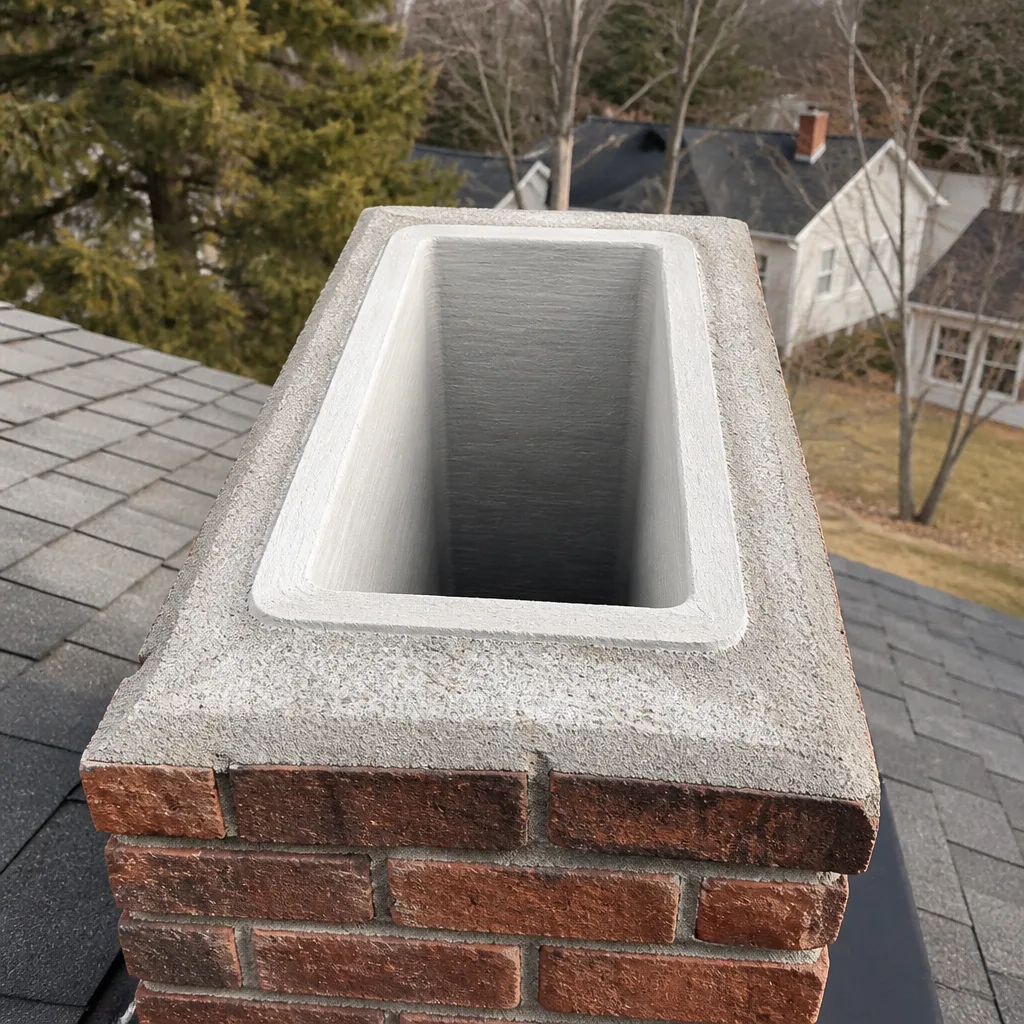 Flue relining
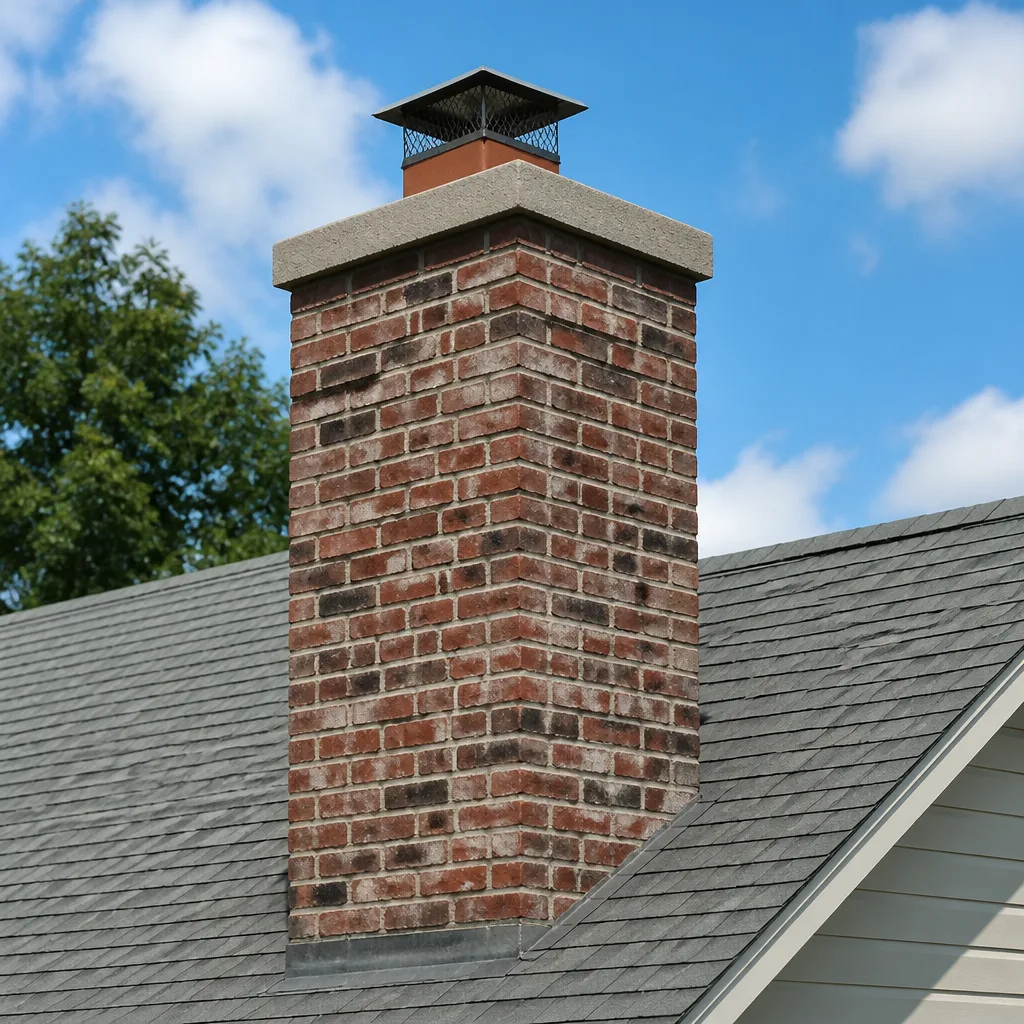 Masonry repair
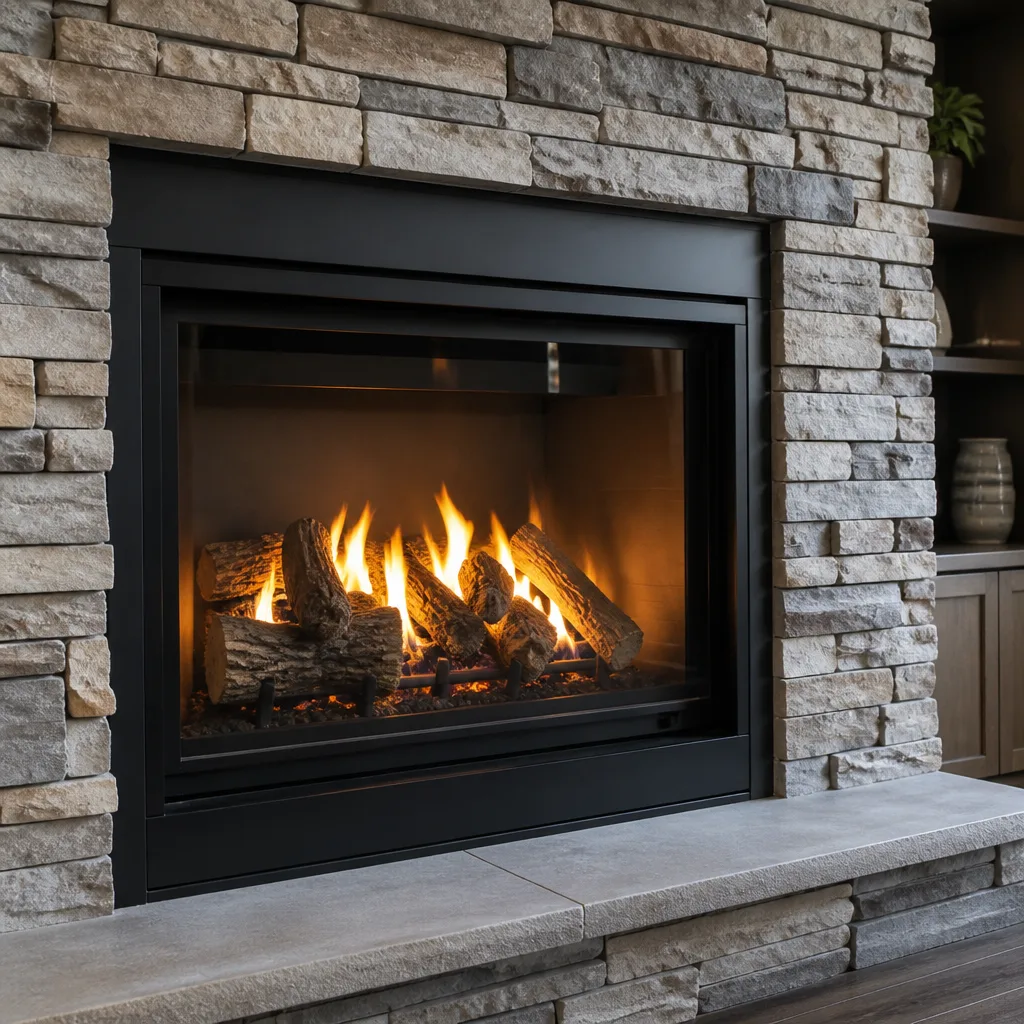 Gas fireplace service
Level 1 sweep and inspection to the NFPA 211 annual standard - flue, crown, cap, and flashing checked and photographed
Chimney sweep logs do not sweep chimneys. They loosen some creosote - which then falls where a brush and vacuum still have to collect it.
Seasonal Chimney Cleaning Care for Marysville: Year-Round Homeowner’s Guide
Most Marysville homeowners schedule their chimney sweep in October, right when the first cold snap hits and the fireplace becomes the warmest room in the house again. That timing feels natural, but it means you’re already burning through the first month of the season before anyone has looked at what last winter left behind. Chimney care in Marysville doesn’t follow the four-season template you’ll find in national guides. It follows the local rhythm: a dry late summer, a long wet winter, and a spring that exposes everything the rain got into. This guide maps each maintenance task to the month it actually belongs in, so the work you do in August prevents the emergency you’d otherwise be facing in November.
Quick Answer
The best time to schedule a chimney sweep in Marysville is August or early September, in the gap between the end of fire season and the start of regular fall burning. That window lets you clear summer debris and winter soot before the first fire, and it leaves time to fix anything the inspection turns up. A second, lighter service in spring catches water damage, cap problems, and crown cracks while they’re still cheap to repair.
Styles & brands we work with
- Sweep & inspection
- Caps & crowns
- Flue relining
- Masonry repair
- Gas fireplace service
Table of Contents
- Why Marysville’s Climate Rewrites the Chimney Calendar
- Why August and Early September Are the Sweet Spot
- What Winter Moisture Does to an Unswept Flue
- Spring Chimney Tasks That Have Nothing to Do With Sweeping
- Summer’s Hidden Threat: Nesting in a Dormant Flue
- Building a Two-Service-Per-Year Schedule
- When Heavy Wood Burners Need a Third Inspection
- Common Mistakes to Avoid
Why Marysville’s Climate Rewrites the Chimney Calendar
Standard chimney advice is built for a place with a hard freeze, a dry winter, and a sudden spring thaw. Marysville doesn’t work that way. The western edge of Snohomish County gets a mild, wet winter with long stretches of rain, temperatures that hover near freezing without locking solid, and then a damp spring that keeps masonry saturated well into April. That pattern creates a specific set of pressures on a chimney that a generic annual reminder won’t address.
Three local conditions drive the right schedule:
- Late-summer fire season smoke. When wildfire smoke settles over the Puget Sound lowlands, many Marysville households close up the house and run a gas or wood fireplace instead of opening windows. That means the chimney sees a burst of use in August and September, right before the true heating season starts.
- A long, wet, mild winter. The flue doesn’t get a hard freeze to dry it out. It gets weeks of drizzle, high humidity, and repeated freeze-thaw cycles at the masonry surface, which is where cracks start.
- A slow, cool spring. Masonry stays wet longer here, so the damage from winter shows up later and lingers longer than in a drier climate.
Put together, these conditions mean a Marysville chimney accumulates creosote and moisture on a different schedule than the national standard. That’s why we treat the local calendar as the foundation of every maintenance plan, not a footnote. When we look at a Marysville chimney in spring, we’re reading the record of the winter it just survived. When we look at it in August, we’re clearing the way for the next one.
One more local wrinkle: Marysville has a mix of older homes with masonry fireplaces and newer builds with factory-built metal systems, and each type responds differently to the wet season. Masonry absorbs water and holds it in the joints. Metal flues don’t absorb, but they can rust at the seams and around the cap if water gets in. The right service interval depends on which system sits on your roof, which is why we assess the specific chimney before recommending a schedule.
Why August and Early September Are the Sweet Spot
August and early September are the ideal months for a full sweep and inspection in Marysville because they sit in the gap between the last of the summer fire-season smoke and the first regular fires of fall. That gap gives you time to clean, inspect, and repair without racing the cold. Schedule a sweep in this window and you start the season with a clean flue and a known condition. Wait until October and you’re burning through the first weeks of the heating season before anyone finds this year’s problem.
Here’s the sequence we recommend for the late-summer window:
- Book the sweep for August or the first half of September. That’s before the rush that comes with the first cold week, when everyone in Marysville suddenly remembers the fireplace.
- Get a full inspection alongside the sweep. The sweep clears soot and creosote; the inspection looks at the liner, the cap, the crown, the flashing, and the firebox to catch problems the brush won’t touch.
- Fix what the inspection finds while the weather is dry. Repairs to the crown, cap, or flashing are far easier to do well in late summer than in a wet October, when sealants and mortars can’t cure properly.
- Do a short burn test before the season. A small, controlled fire in September confirms the draft is right and the fireplace is ready for the serious burning that starts in October.
The reason this window matters so much in Marysville is the smoke season. A growing number of households here use the fireplace or a wood stove during smoke events, which extends the burning season forward into late summer. That extra use loads the flue with creosote before the traditional fall cleaning ever happens. By sweeping in August, you clear both the leftover winter soot and the summer smoke deposits in a single visit, and you don’t carry that creosote into the cold months.
If you’re already behind and haven’t scheduled by September, don’t skip it. A later sweep still beats no sweep. But if you can plan ahead for next year, aim for that late-summer gap and you’ll spend far less of the heating season worried about your chimney. When it’s time to book, our chimney sweep covers the cleaning and a look at the whole system in one visit.
What Winter Moisture Does to an Unswept Flue
A Marysville winter is the hardest test a chimney faces all year, and the damage compounds when the flue is left unswept going into it. Creosote left in the flue from the previous season doesn’t just sit there; it absorbs moisture from the damp air, swells, and puts pressure on the flue tiles. Combine that with the repeated freeze-thaw cycling that Snohomish County’s temperature range delivers, and you get spalling: the flue tile surfaces flake and crack away, opening gaps that let smoke and heat reach the structure around the chimney.
The masonry above the roofline takes the worst of it. Here’s what a wet winter does to each part of the system:
- Flue tiles. Creosote holds moisture against the tile, and freeze-thaw cycles cause the surface to spall. Small cracks become pathways for smoke and carbon monoxide into the home.
- Mortar joints. Saturated mortar expands when it freezes and contracts when it thaws. Over a winter, joints erode and open, weakening the structure.
- The crown. The concrete cap on top of the chimney absorbs water, and freeze-thaw cycles crack it. Once the crown cracks, water runs straight down into the flue.
- The flashing. The metal seal between the chimney and the roof takes the full force of rain and wind. Failing flashing is one of the most common sources of roof and ceiling leaks around a chimney.
Water is a chimney’s worst enemy. A properly installed cap and crown are its first defense, which is why we offer chimney repair for the crown and waterproofing for the mortar right alongside the cleaning. If the inspection finds a cracked crown or spalled tiles, a HeatShield resurfacing can restore the flue without a full reline, which saves the cost of a complete liner job in many cases. For liners that are too far gone for resurfacing, a DuraFlex flexible liner system gives a clean, durable flue for the long term.
The key point for Marysville homeowners: the winter alone doesn’t wreck a chimney. It’s the winter plus a flue full of moisture-holding creosote plus a cap that lets the rain in. Fix the cap and the crown, sweep out the creosote before the wet season, and the same winter becomes a normal season instead of a demolition crew.
Spring Chimney Tasks That Have Nothing to Do With Sweeping
Spring in Marysville is inspection season, not sweep season, and the work you do now catches the winter’s damage while it’s still small. Once the rain eases and the roof is safe to walk, three checks matter most: the cap, the crown, and the flashing. None of them involve a brush. All of them protect the chimney from the water that causes most structural failures.
Here’s the spring checklist we recommend for any Marysville chimney:
- Inspect the cap. Look for a missing, bent, or rusted cap, or a cap that animals have knocked loose. A cap that’s come off or rusted through is an open door for rain, birds, and squirrels. If yours needs replacing, a Gelco or Olympia Chimney cap installs cleanly and keeps water out of the flue.
- Assess the crown. After a winter of frost, the concrete crown on top of the chimney is the most likely place to find a crack. A hairline crack looks minor but lets water straight into the masonry. A crown repair now costs a fraction of the structural work a saturated chimney needs later.
- Check the flashing. After heavy rain, look at the seal where the chimney meets the roof. Water stains on the ceiling or attic framing near the chimney are a sign the flashing has failed. This is a chimney repair, not a roofing job, and it’s best handled by someone who works on chimneys specifically.
- Look at the firebox and damper. A winter of disuse leaves the firebox and damper vulnerable to rust and stuck parts. Working the damper by hand in spring confirms it still opens and closes smoothly. If it’s stiff or broken, a fireplace repair visit before fall saves a mid-season hassle.
A chimney inspection in spring is a quiet, useful service. It’s the moment to catch the small stuff, and it’s also the right time for a real estate transaction or a post-storm assessment, since an inspection is available as a standalone service with nothing else attached. Chimney inspection isn’t a sales call. It’s a safety assessment, and spring is when the chimney is most willing to show you what the winter did.
One honest note: not every crack needs urgent work. Some hairline crown cracks can wait until the late-summer visit, and we’ll tell you plainly when a repair can safely wait. That judgment is the whole reason to get a trained eye on the roof instead of guessing from the ground.
Summer’s Hidden Threat: Nesting in a Dormant Flue
Summer is when a dormant Marysville chimney becomes a nesting site, and the blockage it creates doesn’t show up until the first fire of fall. Birds and squirrels find an uncapped flue irresistible: it’s sheltered, dark, and warm. They build nests, pack in twigs and leaves, and leave behind debris that can block the flue almost completely. The homeowner has no idea until they light a fire and smoke backs up into the living room.
The danger goes beyond a smoky room. A blocked flue can’t vent carbon monoxide, and that’s the real risk. Here’s how summer nesting turns into a fall problem:
- Birds and squirrels stuff the flue. Nesting material packs into the flue opening and the smoke shelf, creating a partial or full blockage.
- The blockage sits unnoticed all summer. With the fireplace unused, nothing signals that the flue is blocked.
- The first fall fire reveals it the hard way. Smoke backs into the room, the draft fails, and the fire doesn’t burn cleanly.
- Sweeping clears the nest, and a cap prevents a repeat. The sweep removes the blockage, and a properly installed cap from Famco or Olympia Chimney closes the door for good.
A chimney cap is the simplest preventive measure a Marysville homeowner can take for summer nesting, and it’s why we install caps as a standard part of the cap and crown service. It keeps out the animals, the rain, and the debris, and it’s far cheaper than dealing with a blocked flue in October. If your chimney goes into summer without a cap, add a cap inspection to the August sweep. It’s a five-minute look that saves a messy surprise.
The same summer dormancy creates a second risk: a flue that sat all season without any airflow can accumulate a musty, damp smell that comes into the house on hot days. That smell is often the first sign of a moisture problem that started in winter and grew through spring. A summer inspection catches it before it turns into a bigger repair.
Building a Two-Service-Per-Year Schedule
For a heavy wood burner in Marysville, two services a year is the reliable baseline: a full sweep and inspection in late summer, and a lighter inspection in spring. That split matches the local climate. The late-summer visit clears the creosote before the heating season and fixes what the inspection finds while the weather is dry. The spring visit catches water damage and structural problems while they’re small. Together they cover both the fire risk and the water risk, which are the two things that actually damage a chimney here.
Here’s how to build the schedule so it fits your home:
- Count your burning. If you burn wood most evenings from October through March, or use the fireplace during smoke season, you’re a heavy user and the two-service baseline fits. If you burn a handful of fires a year, one annual sweep in late summer is usually enough, with a spring visual check on your own.
- Book the late-summer sweep first. Aim for August or early September, and ask for the inspection in the same visit so the sweep and the safety check happen together.
- Schedule the spring inspection once the rainy season eases. This is the cap, crown, and flashing check. It’s a short visit, and it’s the one that protects the structure.
- Log what each visit finds. Keep a simple record of the sweep date, the inspection findings, and any repairs. When you sell the home or deal with an insurance company, that record is worth more than any verbal reassurance.
We’ve seen how much difference a steady schedule makes. A chimney that gets swept and inspected twice a year ages far more gracefully than one that gets attention only when something goes wrong. The cost of the second visit is small next to the structural repairs it prevents, and it keeps the system honest between seasons. If you want a single specialist handling the sweep, the inspection, and any repair that turns up, our Marysville Chimney Sweep team works from the first sweep to a full crown repair under one roof, using professional-grade materials from brands the trade relies on.
When Heavy Wood Burners Need a Third Inspection
Some Marysville households need a third inspection mid-season, and it’s worth knowing the triggers so you’re not guessing. A heavy wood burner who heats the home primarily with wood, or who burns through the smoke season and into the cold months without a break, can build creosote fast enough that a single August sweep doesn’t cover the whole season. A mid-winter inspection in January or February catches that buildup before it becomes a chimney fire risk.
Watch for these signals that a third visit is warranted:
- Glazed, shiny creosote visible at the flue opening. That’s stage-three creosote, and it’s the most flammable kind. It signals the flue needs attention before the next fire.
- Faster-than-usual buildup. If your flue builds a thick layer of creosote in a few weeks, your wood or your burning habits are driving it, and an inspection should confirm the flue is safe.
- Smoke backing up into the room. A draft that fails mid-season is a sign of a partial blockage or a damaged flue. Stop burning and get it inspected.
- Burning wet or unseasoned wood. Wet wood produces more creosote and more smoke, which shortens the safe interval between sweeps.
- A newly installed liner. The first season with a new DuraFlex liner is worth a mid-season look to confirm the draft and the installation are behaving as expected.
For most Marysville homes, two services a year is plenty. The third inspection is for the serious wood burner, the homeowner with a known creosote problem, or anyone who saw smoke where smoke shouldn’t be. If any of those signals show up, don’t wait for spring. Call and get a professional on the roof.
Common Mistakes to Avoid
- Waiting until October to book the sweep. October is the most popular month in Marysville, and it’s the wrong time. You end up burning through the first weeks of the season before anyone finds last year’s damage.
- Cleaning but never inspecting. A sweep clears soot and creosote, but it doesn’t tell you whether the crown is cracked or the flashing failed. The sweep and the inspection belong in the same visit.
- Going into summer without a cap. An open flue is an invitation for birds and squirrels to nest. The blockage doesn’t show up until the first fire, so the cap is the cheapest prevention there is.
- Ignoring the crown and flashing in spring. These are the entry points for the water that causes most chimney structural failures in this climate. A cracked crown left alone all summer only grows.
- Assuming a metal flue needs no maintenance. Factory-built metal chimneys rust at the seams and around the cap in the wet season. They need the same spring check as masonry.
- Burning wet wood to save a trip. Unseasoned wood loads the flue with creosote faster and shortens the safe interval between sweeps. Dry wood is cheaper than a chimney fire.
- Treating a chimney inspection as a sales pitch. A good inspection tells you what’s actually wrong and when a repair can safely wait. If someone always finds thousands of dollars of work, get a second look.
See the difference
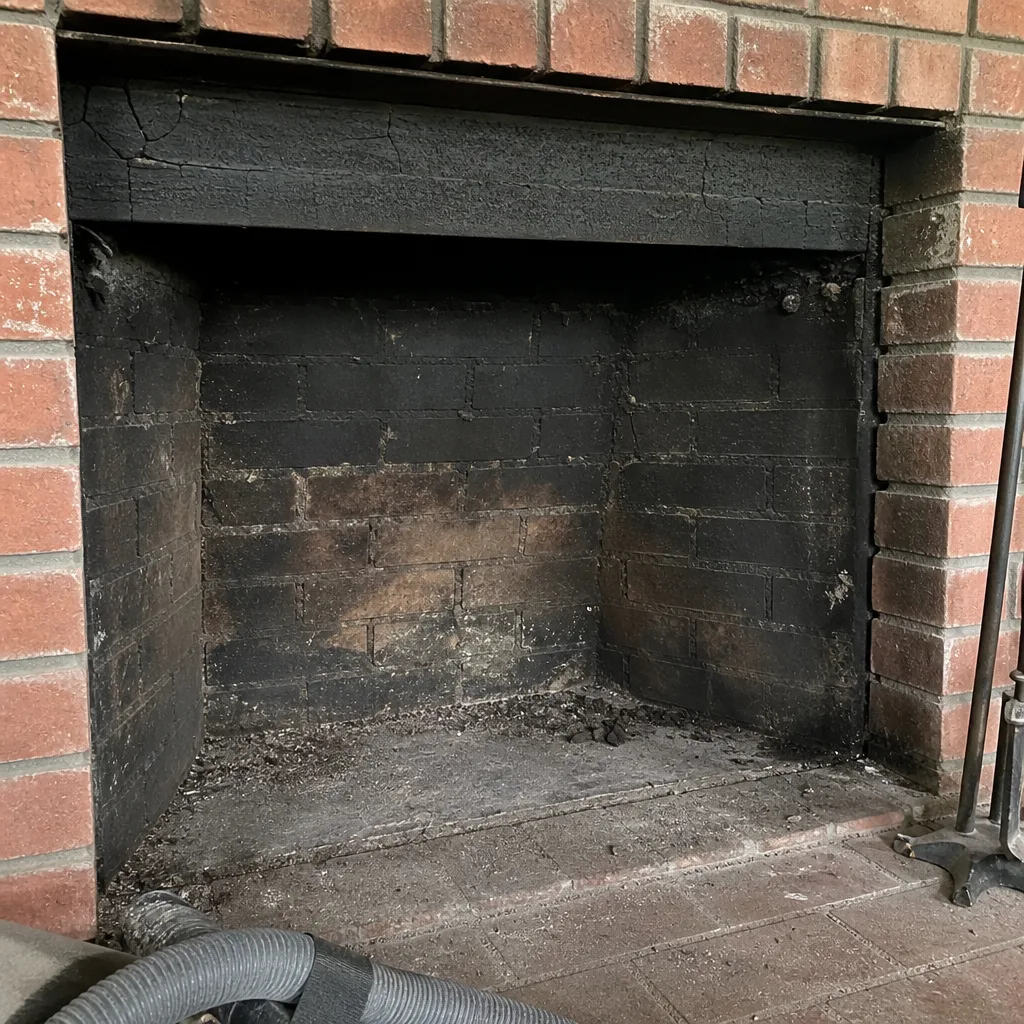 Before
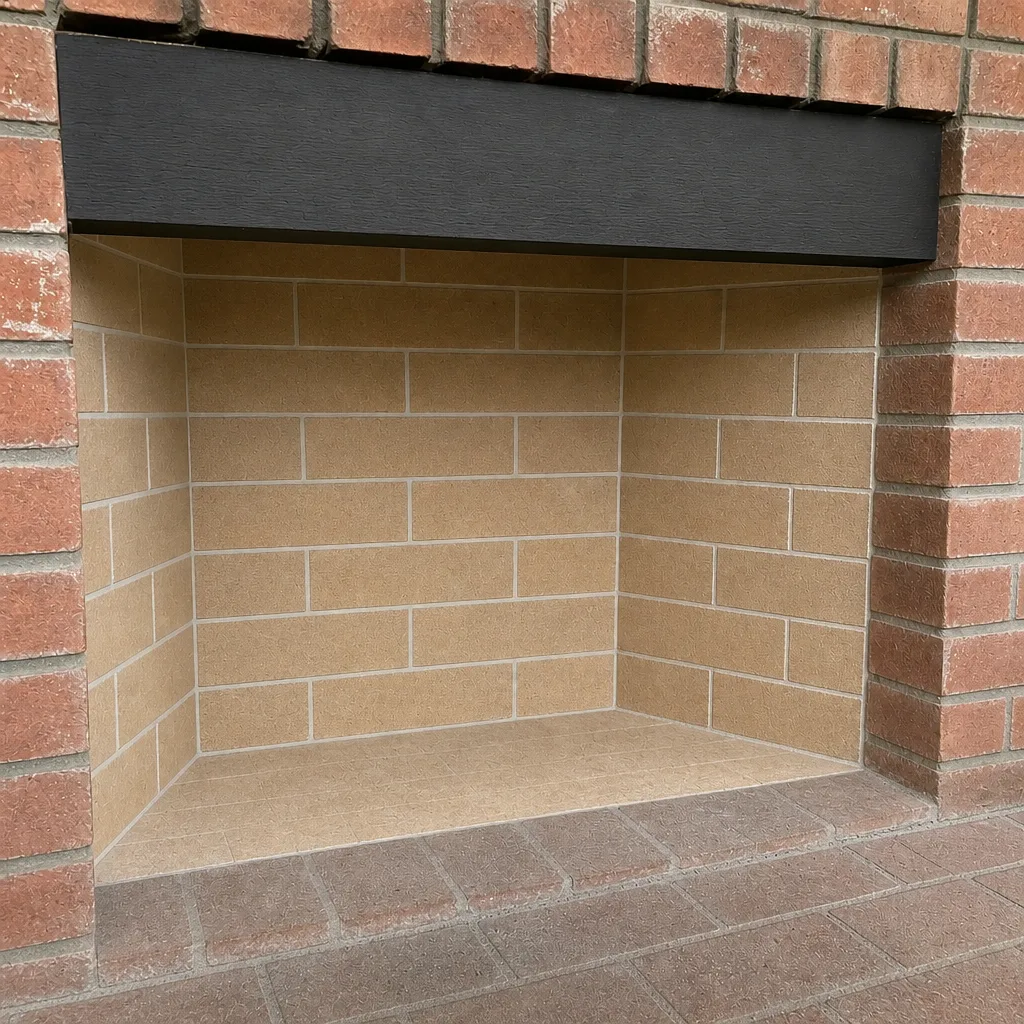 After
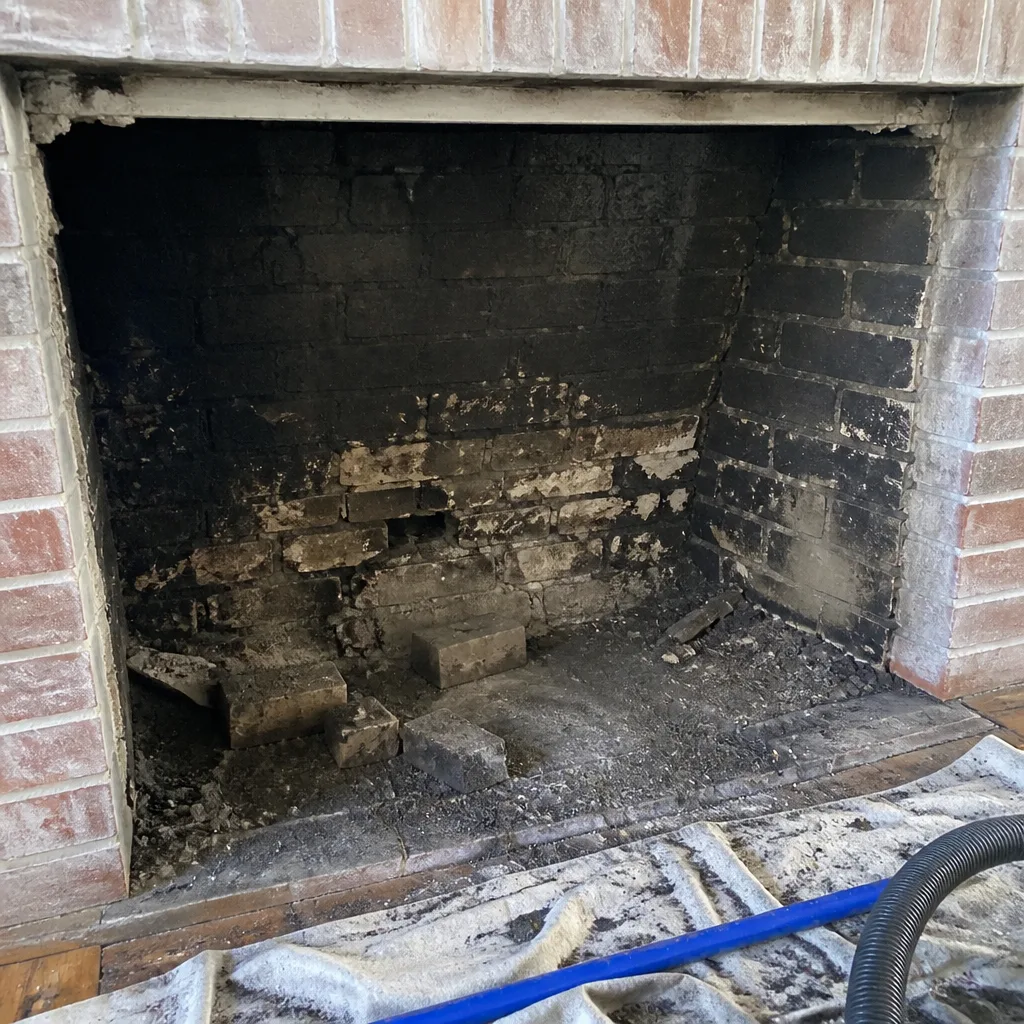 Before
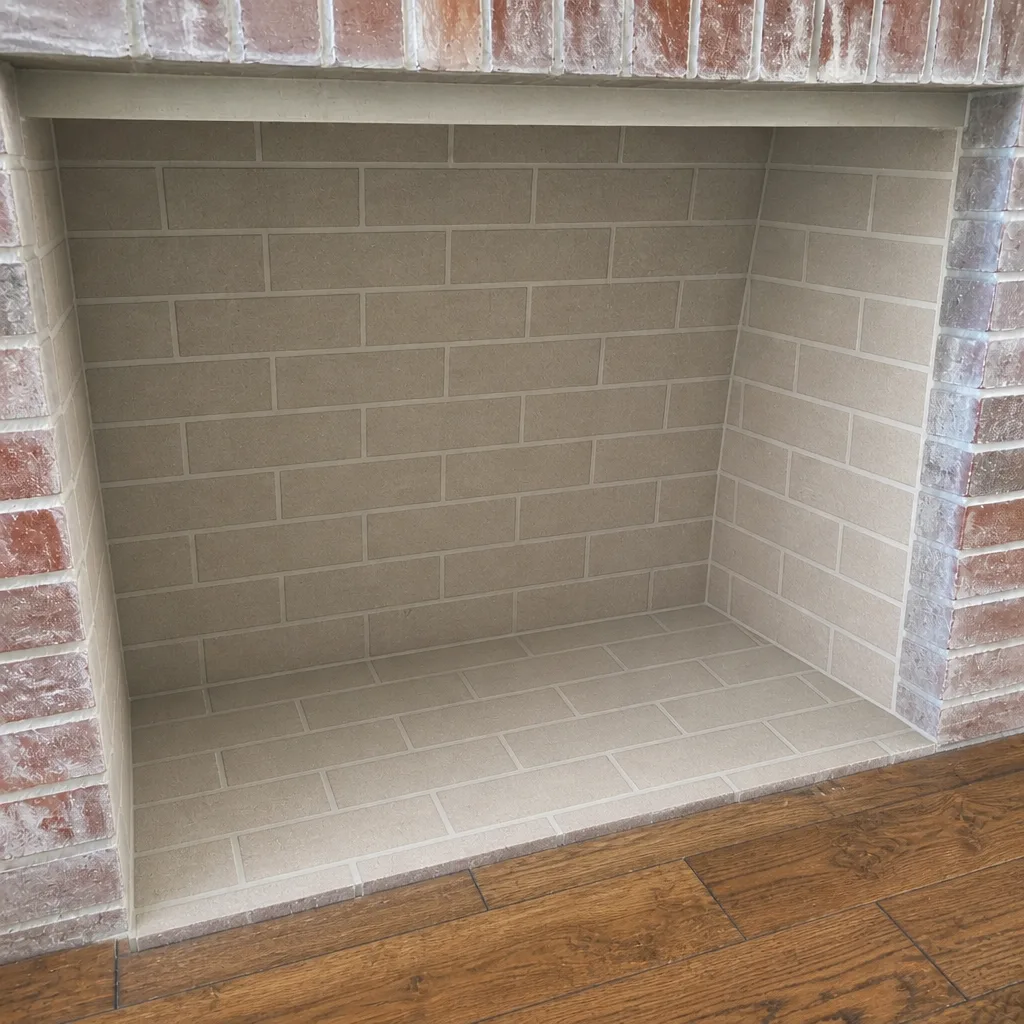 After
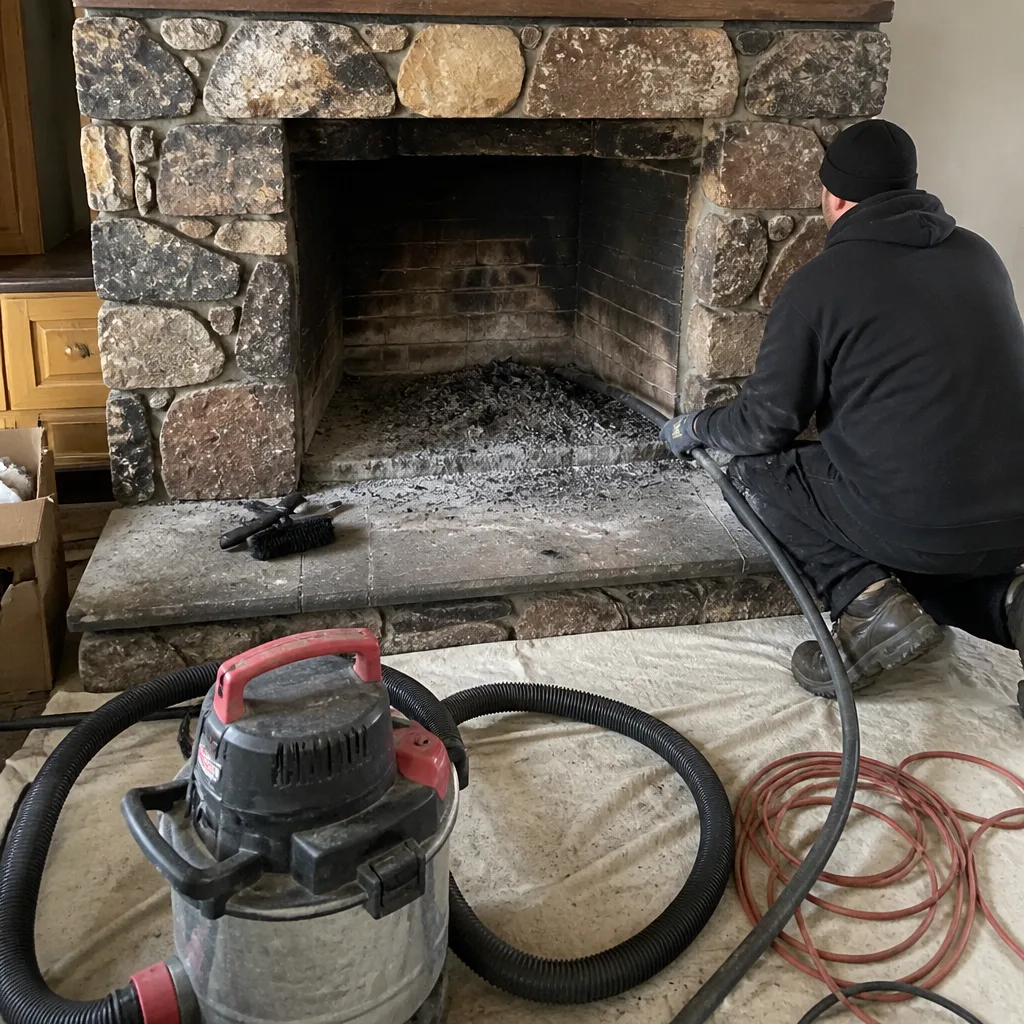 Before
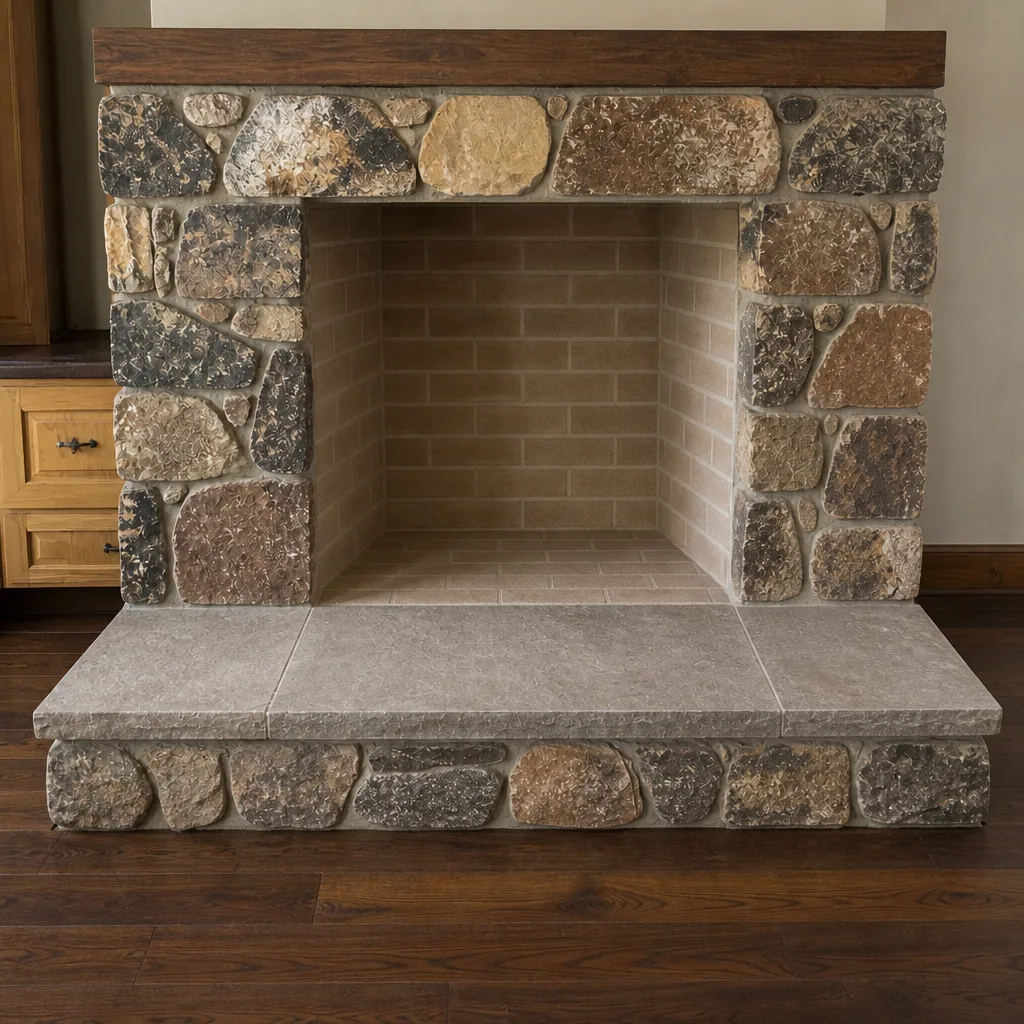 After
When to Call a Professional
Call a professional when you see glazed, shiny creosote in the flue, when smoke backs into the room, when you notice water stains on the ceiling or attic framing near the chimney, or when the cap, crown, or flashing looks damaged after a winter. Call before the first fire of the season if the chimney hasn’t been swept in the last year, and call if you’re buying or selling a Marysville home and need a standalone inspection. If you’re unsure whether a repair can wait, that’s exactly the question an inspection answers. Marysville Chimney Sweep offers free estimates in Marysville. Call (877) 820-9607. We answer 24/7. Fast dispatch from 7am to 7pm, Sunday through Friday.
Frequently Asked Questions
A chimney in Marysville should be swept once a year at minimum, with heavy wood burners best served by a late-summer sweep plus a spring inspection. The wet local climate and the extended smoke season push creosote buildup faster than the national average. If you burn wood most evenings, plan on two services a year. Call (877) 820-9607 for an exact quote. Estimates are free.
August sits in the gap between the end of fire season and the start of regular fall burning, which makes it the ideal month for a full sweep and inspection. It gives you time to fix anything the inspection finds before the weather turns wet. October is the busiest month and the worst time to discover a problem. Book early, ideally in August or the first half of September.
Winter moisture drives freeze-thaw damage in the masonry, causing flue tiles to spall and mortar joints to erode. Creosote left in the flue absorbs the damp air and holds water against the tiles, which speeds the cracking. A capped, swept chimney handles the same winter without that damage. The cap and crown are the first line of defense.
Yes, a cap is worth installing even for occasional burning because it keeps out rain, birds, and squirrels year-round. A dormant flue is exactly where animals nest in summer, and the blockage isn’t obvious until the first fire. A cap from Gelco or Olympia Chimney closes that gap cheaply. It also keeps water out of the flue between burns.
Some hairline crown cracks can safely wait until the late-summer visit, but a crack that lets water into the masonry should be repaired before the wet season. The difference matters, and an inspection tells you which one you have. We’ll say plainly when a repair can wait. Call (877) 820-9607 for a free estimate.
The signs are glazed creosote in the flue, smoke backing into the room, water stains near the chimney, a missing or rusted cap, and visible cracks in the crown or masonry. Any one of them is a reason to get an inspection before the first fire. A standalone inspection is a safety assessment, not a sales call. Call (877) 820-9607 to book one.
The Bottom Line
Chimney care in Marysville doesn’t follow the national four-season template. It follows a local rhythm: sweep and inspect in late summer, before the heating season, then check the cap, crown, and flashing in spring once the rain eases. Cap the flue to keep out summer nesting, watch for glazed creosote if you burn heavily, and add a mid-season inspection when the signs call for it. Do those things and the wet winter becomes a normal season instead of a repair bill. The work you skip in spring is the emergency you face in November, so build the schedule now. Marysville Chimney Sweep offers free estimates in Marysville. Call (877) 820-9607. We answer 24/7. Fast dispatch from 7am to 7pm, Sunday through Friday.
Written by the team at Marysville Chimney Sweep.